Key Takeaway
A sewer video inspection sends a camera through the line so you can see the actual condition rather than guess at it. It distinguishes a blocked line, which cleaning fixes permanently, from a broken one, which will keep clogging until the defect is repaired. It is worth doing before buying an older Lakeland home, before approving any large sewer quote, and after any backup that affected several fixtures. Ask for the recording and a written report. Call (863) 393-6473.
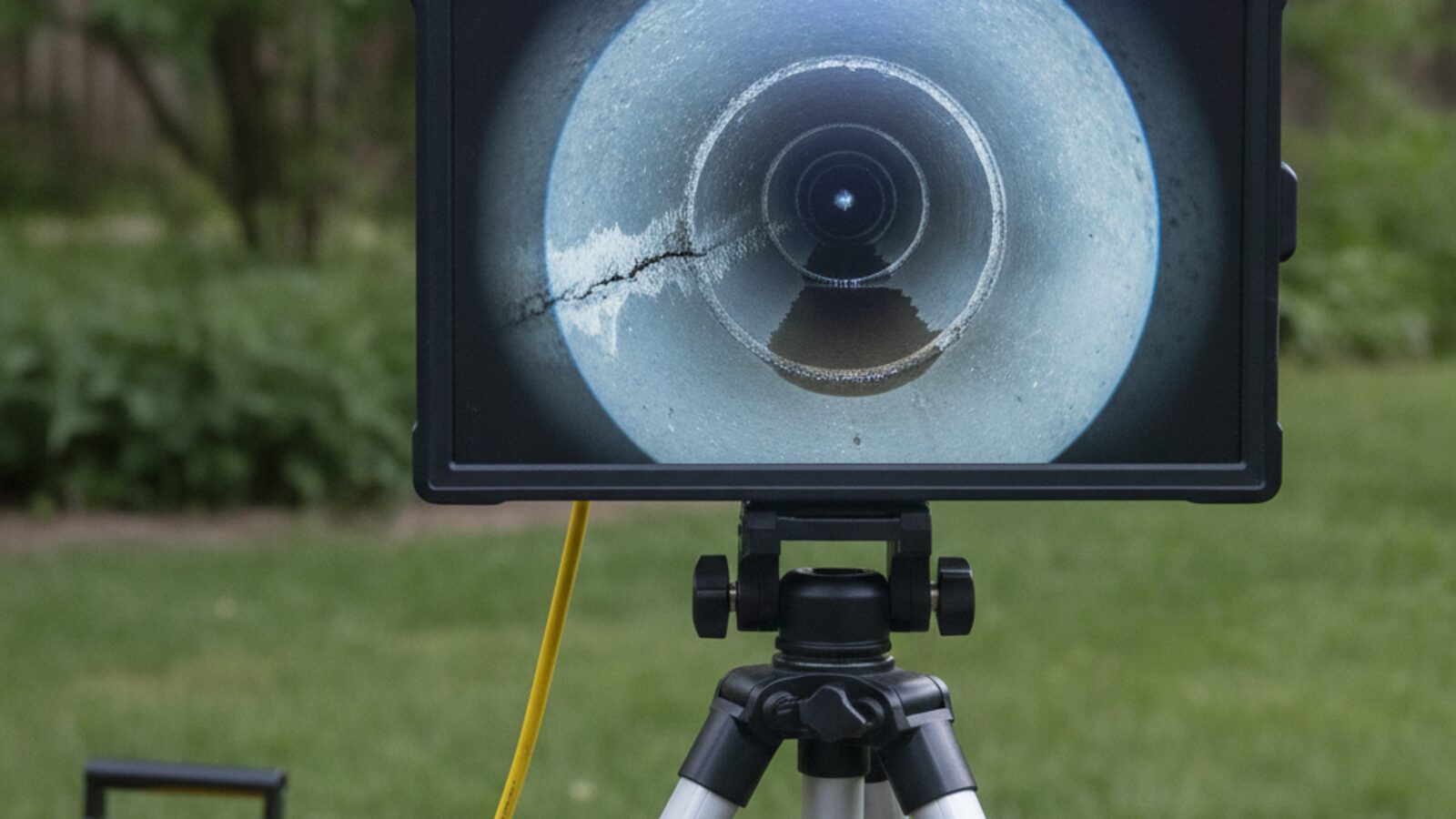
A sewer video inspection replaces guesswork with footage. Its single most valuable function is telling you whether your line is blocked or broken, because from inside the house those produce identical symptoms and require completely different work.
A blocked line in sound pipe gets cleaned, and the cleaning holds. A broken line will clog again no matter how many times it is cleared, because the defect that causes the clogging is still there.
How It Works
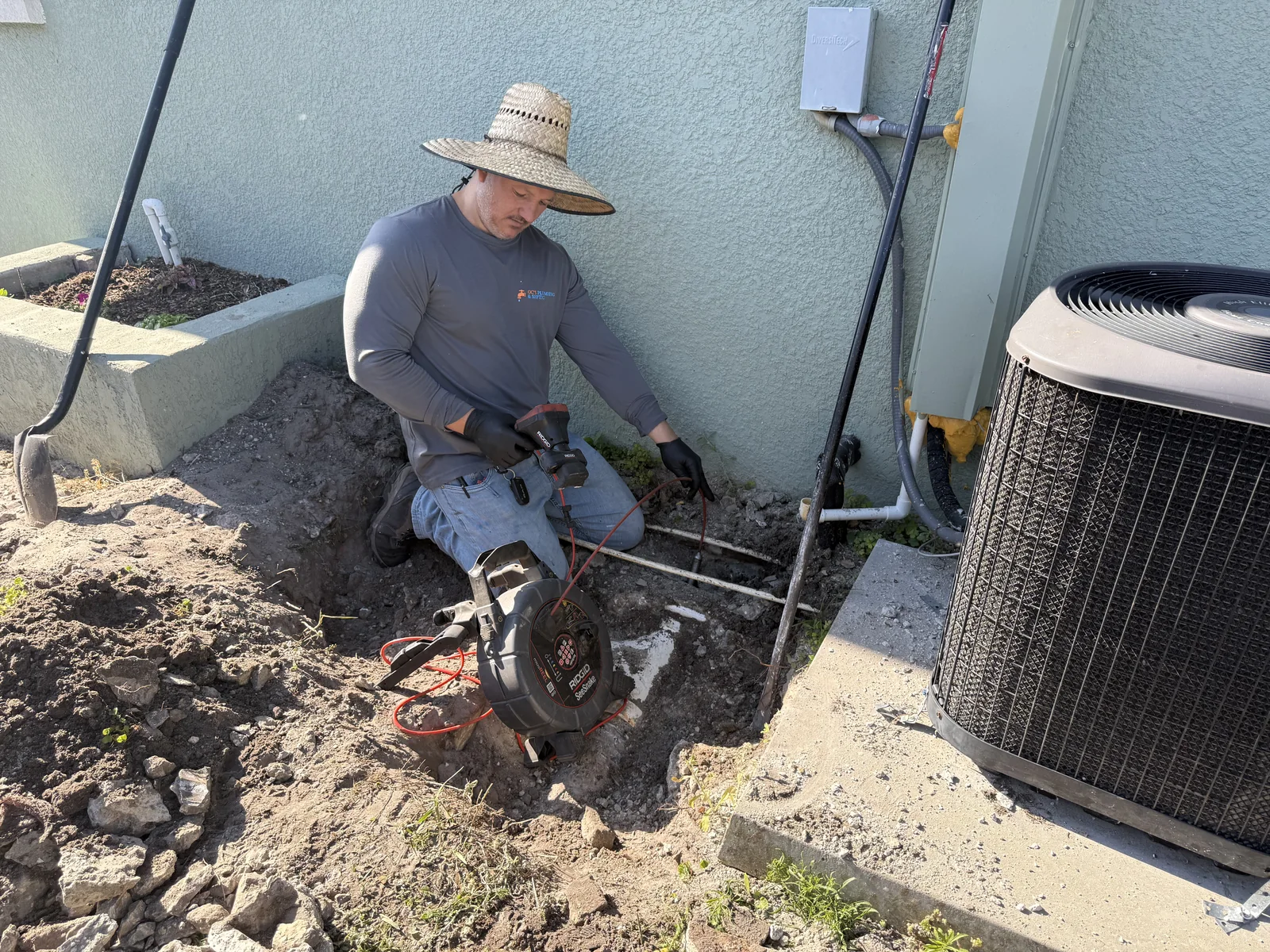
A flexible cable carrying a camera head and light is fed into the line, usually through a cleanout. The operator watches a live feed and records distance as the camera travels, so anything found can be reported at a specific footage.
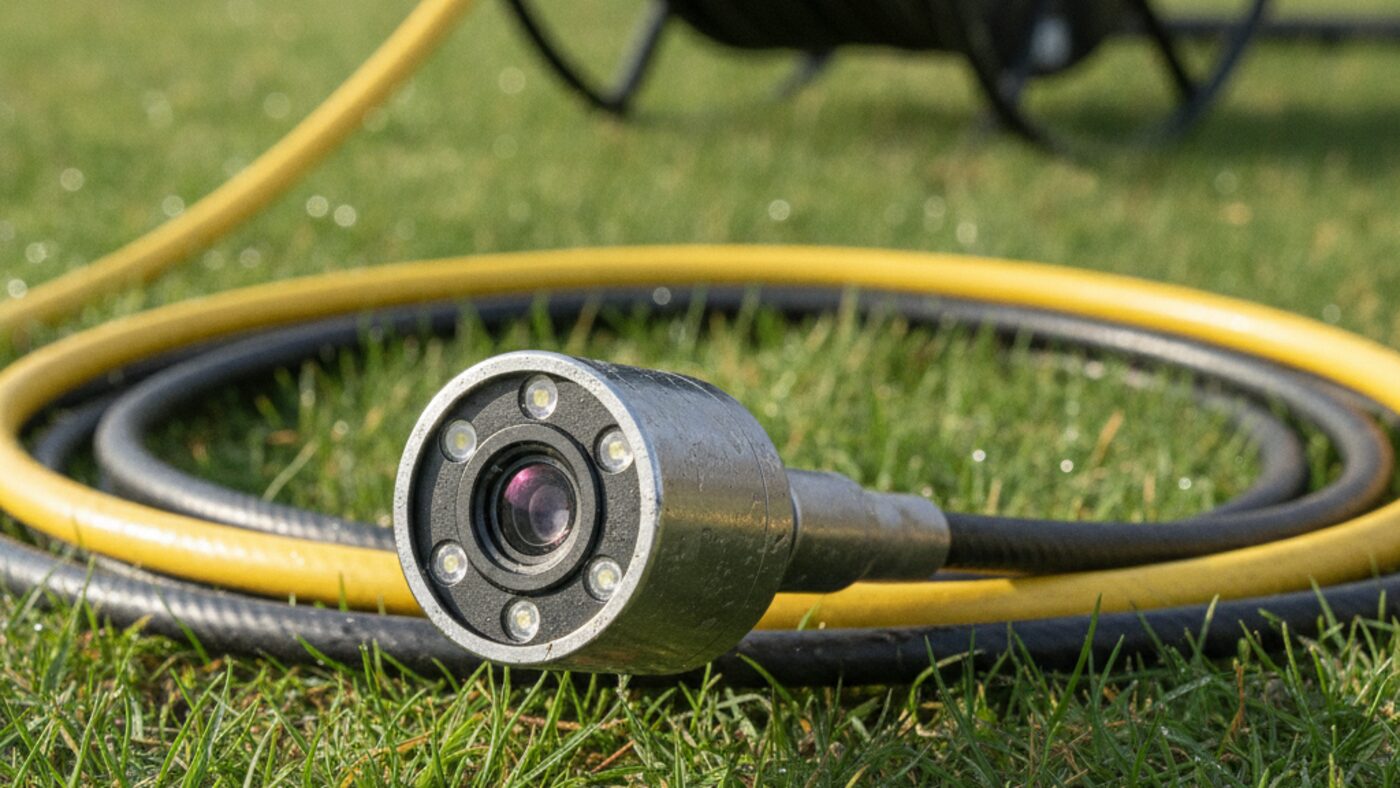
A transmitter in the camera head lets the defect be located from the surface and marked. That is what allows excavation to go to one spot rather than searching along the run.
You should get the recording and a written summary. Agree that before the work starts.
What It Finds in Central Florida Lines
Root intrusion. Very common here, entering at joints and cracks. Our post on tree roots in a sewer line covers why clearing them alone is temporary.
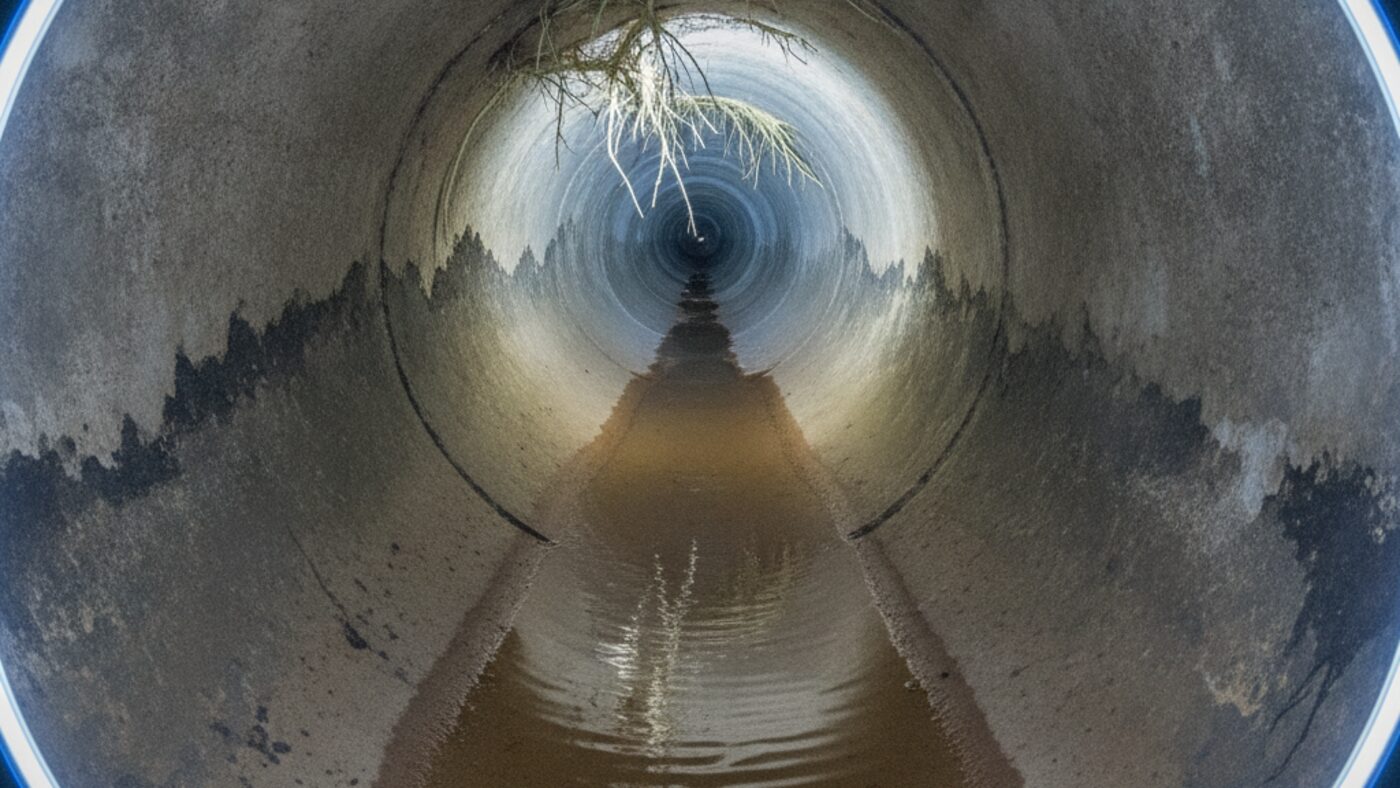
Grease buildup. Layers narrowing the pipe, usually closest to the kitchen.
Bellies. A sagging section that holds standing water, common in sandy soil that washes out from under the pipe. Explained fully in our post on a belly in a sewer line.
Cast iron deterioration. Scale and corrosion narrowing the bore, then channeling and perforation. Widespread in older Lakeland housing stock, and covered in our post on preventing cast iron pipe failure.
Cracks, offsets and separated joints, usually from ground movement.
Collapse. A structurally failed section, beyond cleaning.
Foreign objects. Construction debris left in the line, and the wipes sold as flushable that are not.
When It Is Worth Doing
- Recurring clogs, particularly ones that return on a schedule
- Backups affecting several fixtures, which points at the main line rather than a fixture
- Before buying an older home, especially with mature trees nearby
- Before a remodel that adds or relocates fixtures
- After any significant backup, to confirm the cause was actually addressed
- Before approving a replacement quote

The Point About Quotes
A recommendation to replace a sewer line should come with footage showing the defect. Sewer replacement is a large expense, and it is reasonable to ask to see the basis for it.
If a contractor cannot produce a recording, or declines to, a second opinion is a sensible response. Reputable operators expect the question.
What It Does Not Do
A camera inspects gravity drain lines. It does not find leaks in pressurized water supply lines, including under a slab, which need different equipment; our post on signs of a slab leak covers those indicators.
It also cannot see through a line that is completely full. Sometimes the line has to be cleared enough for the camera to travel before a useful inspection is possible, which is why clearing and inspection are often done in the same visit.
For Homes on Septic
The same inspection applies to the line running from the house to the tank, and defects there cause the same recurring problems. What a camera cannot assess is the drain field, which is evaluated differently. If the symptoms include soggy ground or vivid green growth over the field, that is a drain field issue rather than a line issue, and our post on drain field problems after heavy rain is the relevant read.
Practical Takeaways
Use a camera to separate blocked from broken before spending anything significant. Insist on footage and a written report. Have one done before buying an older home, because the lateral is yours once you close. If a line has been cleared more than once in two years, stop clearing and start looking.
Talk to a Licensed Professional
OC's Plumbing & Septic performs sewer video inspections across Lakeland, Bartow, Plant City and the surrounding area. Call (863) 393-6473 or use the contact page.
Frequently Asked Questions
Far less than any of the repairs it might rule in or out, which is what makes it worth doing before authorizing work. Ask whether the inspection fee is credited against repair costs if you proceed, as that is common.
An accessible cleanout makes it straightforward. Without one, the camera may have to enter through a removed toilet or another access point, which adds time. If your home has no cleanout, installing one is worth considering, because it makes every future service call easier.
Yes, particularly for an older Lakeland home or one with mature trees. A standard home inspection does not include the sewer lateral, and the lateral is the property owner's responsibility. It is the cheapest protection available against the most expensive surprise.
A camera inspects drain lines, so it can find breaks and defects in those. A pressurized water supply leak under the slab is found differently, using leak detection equipment. Our post on slab leak signs covers what to look for.