
Key Takeaway
To prevent cast iron pipe failure in your historic Lakeland home, avoid pouring grease or harsh chemical drain cleaners down the sink, and schedule a professional sewer video inspection every few years. If the inspection reveals heavy rust and scale buildup, have a licensed plumber perform cast iron descaling to restore flow and extend pipe lifespan. Call (863) 393-6473 to schedule an inspection.
Lakeland, Bartow, and Winter Haven are renowned for their beautiful historic neighborhoods. Homes built in the 1920s through the 1970s possess a charm and architectural character that modern construction simply cannot replicate. From the grand Victorian homes near Lake Mirror to the charming bungalows throughout Polk County, these properties represent the heart and soul of Central Florida's residential heritage. However, hiding beneath the beautiful hardwood floors, original tile work, and mature landscaping is a ticking time bomb: cast iron plumbing.
Cast iron was the standard material for residential sewer lines for decades. It is incredibly strong and excellent at dampening the sound of rushing water, a feature homeowners in older neighborhoods still appreciate today. But it has a fatal flaw: it rusts. The expected lifespan of a cast iron sewer line is 50 to 70 years. If your home was built before 1980, your pipes have likely reached the end of their functional life. Many homes in Lakeland's historic districts were constructed in the 1950s and 1960s, meaning their original cast iron sewer lines are now 60+ years old and operating well beyond their intended service life.
While you cannot stop the natural aging process of metal, you can take specific, proactive steps to manage the deterioration, prevent sudden catastrophic failures, and significantly extend the remaining life of your plumbing system. This is especially critical for homeowners in Polk County, where foundation issues and sinkholes are a real concern due to the region's sandy soil composition.
Understanding the Enemy: Tuberculation and Channeling
To protect your pipes, you must understand how they fail. Cast iron pipes deteriorate from both the inside and the outside, creating a cascade of problems that can ultimately compromise your home's foundation and structural integrity.
Internally, the constant flow of wastewater and the presence of corrosive sewer gases cause the iron to oxidize. This creates a thick, crusty layer of rust and scale along the interior walls of the pipe, a process known as tuberculation. Over time, this mineral-laden rust buildup can reduce the pipe's interior diameter by 50% or more. This scale narrows the effective diameter of the pipe, drastically reducing water flow and drainage capacity. More importantly, the jagged, rough surface acts like a cheese grater, snagging toilet paper, hair, and solid waste, leading to chronic, recurring clogs that become increasingly difficult and expensive to clear.
Simultaneously, the bottom of the pipe experiences the most wear because water is constantly flowing over it. Over decades, the water literally rots away the bottom of the iron pipe, creating a trench. This is called channeling. Once the bottom is gone, wastewater escapes directly into the soil beneath your foundation, washing away the dirt and leading to severe structural damage and sinkholes. In Lakeland's sandy soil, this process accelerates dramatically. A small leak can quickly become a major void beneath your slab, leading to foundation settlement, cracked walls, and repair costs exceeding $50,000.
4 Ways to Protect Your Cast Iron Pipes
You cannot reverse the aging of cast iron, but these four maintenance strategies will prevent accelerated damage and keep the system functioning as long as possible.
1. Ban Chemical Drain Cleaners
This is the single most important rule for homeowners with cast iron plumbing. When a sink or tub drains slowly, the instinct is to grab a bottle of liquid drain cleaner from the grocery store shelf.
Do not do this.
Chemical drain cleaners rely on highly corrosive ingredients, like lye, sulfuric acid, or bleach, to generate intense heat and dissolve clogs. When these caustic chemicals sit inside an aging cast iron pipe, they violently accelerate the rusting and corrosion process. A single application of a harsh chemical cleaner can eat through a thinned section of cast iron, turning a simple clog into a massive leak under your foundation. The heat from these chemicals also expands the metal unevenly, creating stress fractures. Always use a plunger or call a professional to snake the drain mechanically. OC's Plumbing & Septic can safely remove clogs without damaging your aging pipes.
2. Be Ruthless About What Goes Down the Drain
Cast iron pipes with tuberculation are incredibly unforgiving. Because the interior walls are rough and narrowed by rust buildup, you must be extremely careful about what you flush and drain. This is especially important in Lakeland homes where the original plumbing configuration may not have been designed for modern waste disposal practices.
- Never pour grease down the drain: Liquid cooking grease from bacon, sausage, and cooking oils solidifies as it cools, sticking to the jagged rust inside the pipe and creating an impenetrable blockage. This is the single most common cause of sewer backups in older Lakeland homes. Instead, pour grease into a disposable container and throw it in the trash.
- Do not use "flushable" wipes: Despite the marketing claims, these wipes do not disintegrate like toilet paper. They easily snag on the rough cast iron walls and cause severe main line stoppages that require professional intervention to clear.
- Limit garbage disposal use: Fibrous foods like celery and corn husks, coffee grounds, and starchy peels (potato, carrot) can quickly accumulate in the narrowed pipes and create blockages that backup into your home.
- Avoid flushing medications and personal care products: These items do not break down and can accumulate in the tuberculated sections of your pipes.
3. Schedule Routine Video Inspections
You cannot manage what you cannot see. Because cast iron pipes are buried beneath your concrete slab or in your yard, the only way to know their true condition is through a professional sewer video inspection. This is not optional for homes over 40 years old. It is essential preventative maintenance.
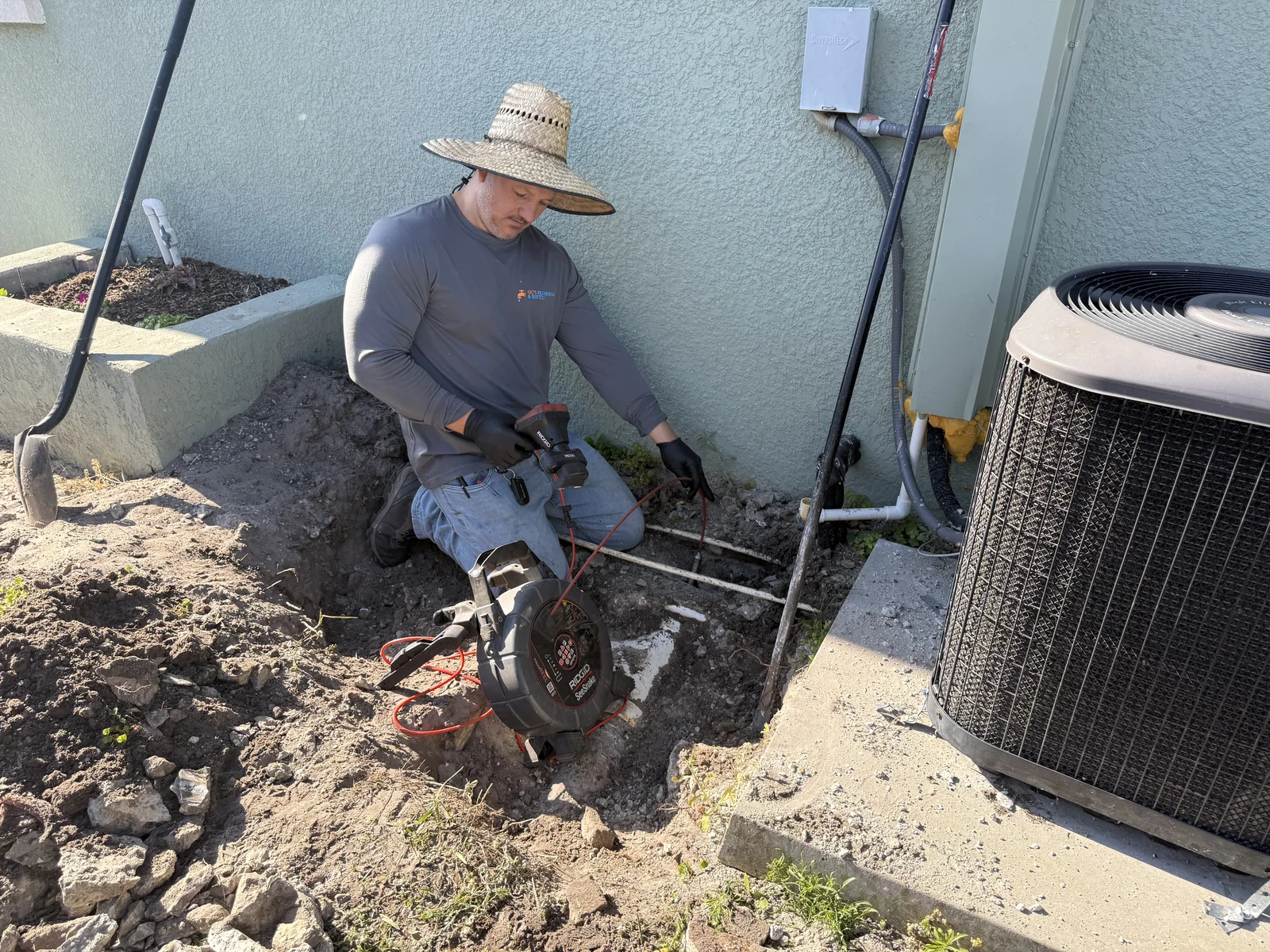
A licensed plumber will run a high-resolution camera through the lines to assess the thickness of the scale, check for root intrusion (common in Lakeland's mature neighborhoods with large oak and cypress trees), and, most importantly, look for signs of channeling or cracking. The video inspection provides a permanent record of your pipe's condition, allowing you to track deterioration over time and plan repairs before emergencies occur. If you own a historic home in Lakeland, Bartow, or Winter Haven, you should have the lines camera-inspected every 3 to 5 years. This allows you to catch minor issues before they become foundation-destroying emergencies that threaten your home's structural integrity.
4. Invest in Professional Cast Iron Descaling
If a video inspection reveals that your pipes are structurally sound but heavily narrowed by rust and scale, professional descaling is the best preventative measure available. This service can add years to the life of your existing cast iron system.
Descaling is a specialized service where a plumber uses a rotating mechanical tool (like a chain knocker or descaling head) to safely grind away the hardened tuberculation from the interior pipe walls. This restores the pipe to its original diameter, smooths the interior surface to prevent future snagging, and drastically improves flow. It is a meticulous process that requires professional expertise to avoid damaging the fragile pipe, but it is highly effective at extending the life of the system. After descaling, your pipes will drain faster, and you will experience fewer backups and clogs.
When to Call a Professional
If you are experiencing frequent backups, slow drains throughout the house, foul odors emanating from drains or yard, unexplained pest problems (roaches can enter through cracked sewer lines), or soft spots in your yard, your cast iron pipes need immediate attention. Do not wait for a complete collapse. These are all warning signs that your system is failing.
Need Cast Iron Pipe Help in Lakeland? OC's Plumbing & Septic Is Ready to Help
We specialize in diagnosing, maintaining, and replacing aging cast iron plumbing in Central Florida's historic homes. Our team has extensive experience with the unique challenges of Polk County plumbing, from cast iron deterioration to foundation-threatening sewer leaks. Whether you need preventative descaling, professional drain cleaning, or a complete cast iron pipe replacement, we have the technology and expertise to protect your property.
Call us at (863) 393-6473 or contact us today to schedule a comprehensive sewer video inspection in Lakeland and surrounding areas. Licensed under CFC035684, we are committed to keeping your historic home's plumbing system functioning for years to come.
Frequently Asked Questions
Cast iron sewer pipes have an expected lifespan of 50 to 70 years. If your Lakeland home was built before 1980, your original cast iron pipes have likely reached or exceeded their functional life and should be professionally inspected.
Cast iron descaling is a specialized service where a plumber uses a rotating mechanical tool to safely grind away hardened rust and scale (tuberculation) from the interior pipe walls. This restores the pipe to its original diameter, improves flow, and extends the system's lifespan.
Yes. Chemical drain cleaners contain highly corrosive ingredients like lye and sulfuric acid that generate intense heat and violently accelerate rusting in aging cast iron pipes. A single application can eat through a thinned section, turning a simple clog into a major leak.
If you own a historic home in Lakeland, Bartow, or Winter Haven with cast iron plumbing, you should have the sewer lines camera-inspected every 3 to 5 years. This allows you to catch deterioration before it becomes a foundation-threatening emergency.
Warning signs include frequent backups, slow drains throughout the house, foul odors from drains or yard, unexplained pest problems (roaches entering through cracked sewer lines), and soft spots or sinkholes in your yard.