Key Takeaway
Roots enter a sewer line through cracks and loose joints that already exist, drawn by the moisture and nutrients inside. Repeated slow drains and gurgling in an older home with mature trees are the usual first signs. Cutting the roots restores flow but does not stop them returning, because the opening they came through is still there. A camera inspection shows how bad the intrusion is and whether the pipe itself needs repair or lining. Call (863) 393-6473.
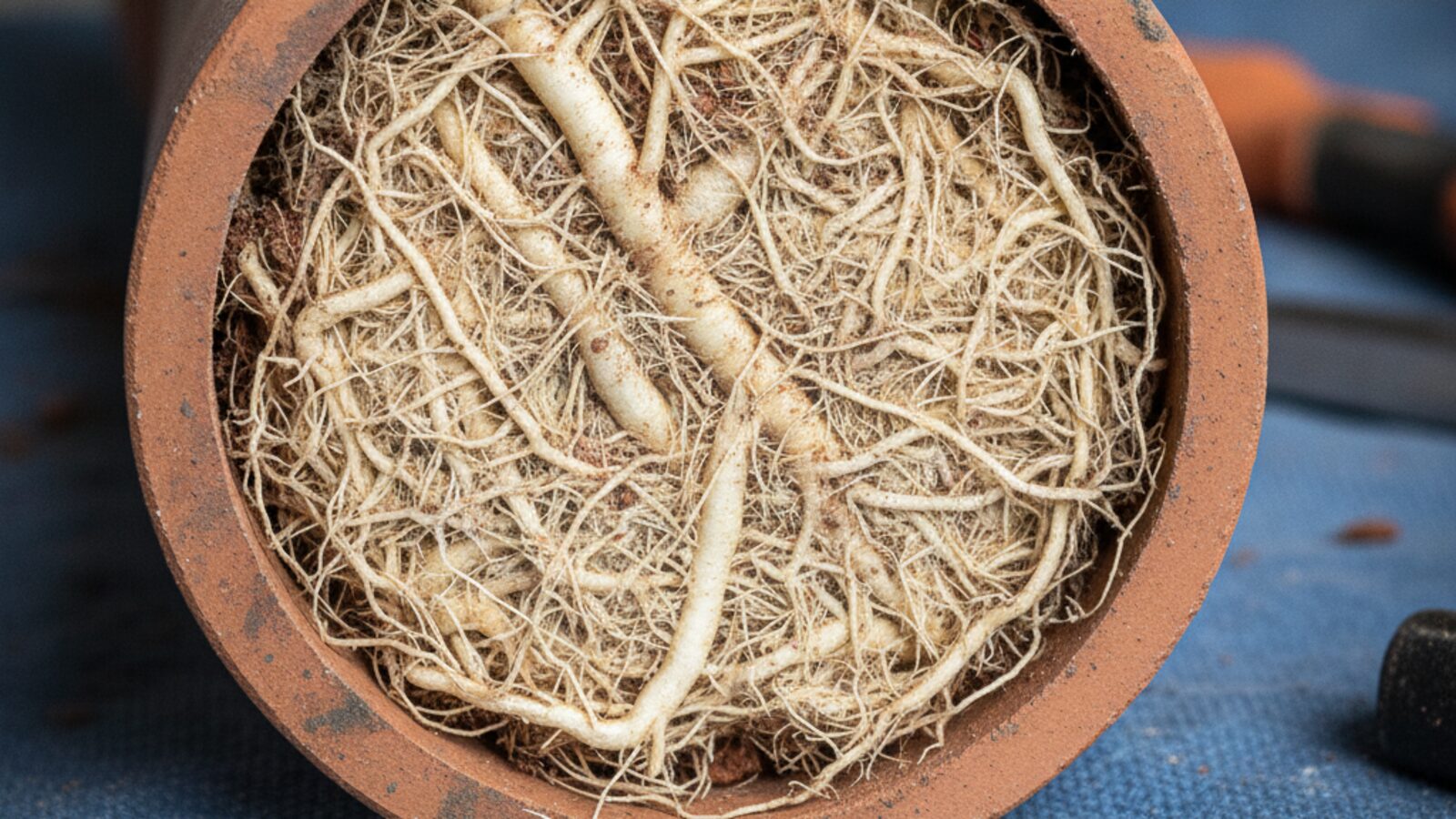
Roots do not break into sound pipe. They find a crack, a separated joint or a failing connection that was already there, follow the moisture and nutrients leaking out of it, and then grow into the opening. That is why root intrusion is usually a symptom of pipe condition as much as it is a cause of blockages.
It matters because it changes the fix. Clearing roots addresses today's blockage. Closing the opening is what stops it happening again.
Why Lakeland Homes See It So Often
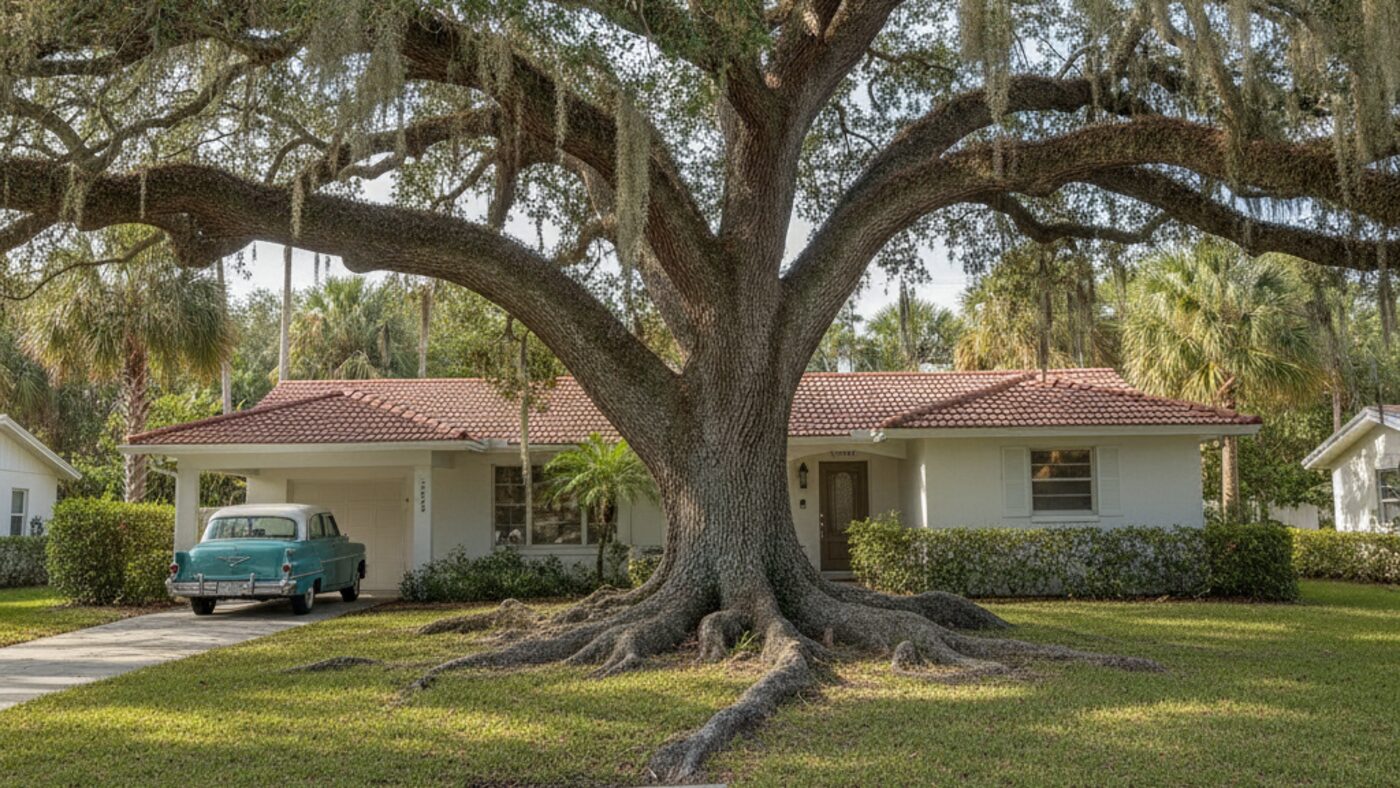
The combination here is unhelpful: mature oaks and other established trees in older neighborhoods, sandy soil that roots move through easily, and sewer laterals that in many homes are decades-old cast iron or clay.
Clay pipe is laid in short sections with joints at every connection, and those joints are exactly where roots get in. Cast iron corrodes from the inside and eventually perforates. Our post on preventing cast iron pipe failure covers that side of the ageing problem.
Add a year-round growing season and roots that never go dormant, and the intrusion continues in months when it would pause further north.
The Signs
- Repeated slow drains affecting several fixtures rather than one
- Gurgling toilets, particularly when a washing machine or bath drains
- Backups that return a few months after being cleared, which is the signature pattern
- Sewage odor in the yard, or an unexplained lush green patch along the line's route
- A sinkhole or soft depression above the line, which indicates soil washing into a break
The recurring cycle is the useful clue. A one-off blockage is often something that was flushed. A blockage that comes back on a rough schedule is usually roots or a structural defect.
Why Cutting Alone Is Temporary
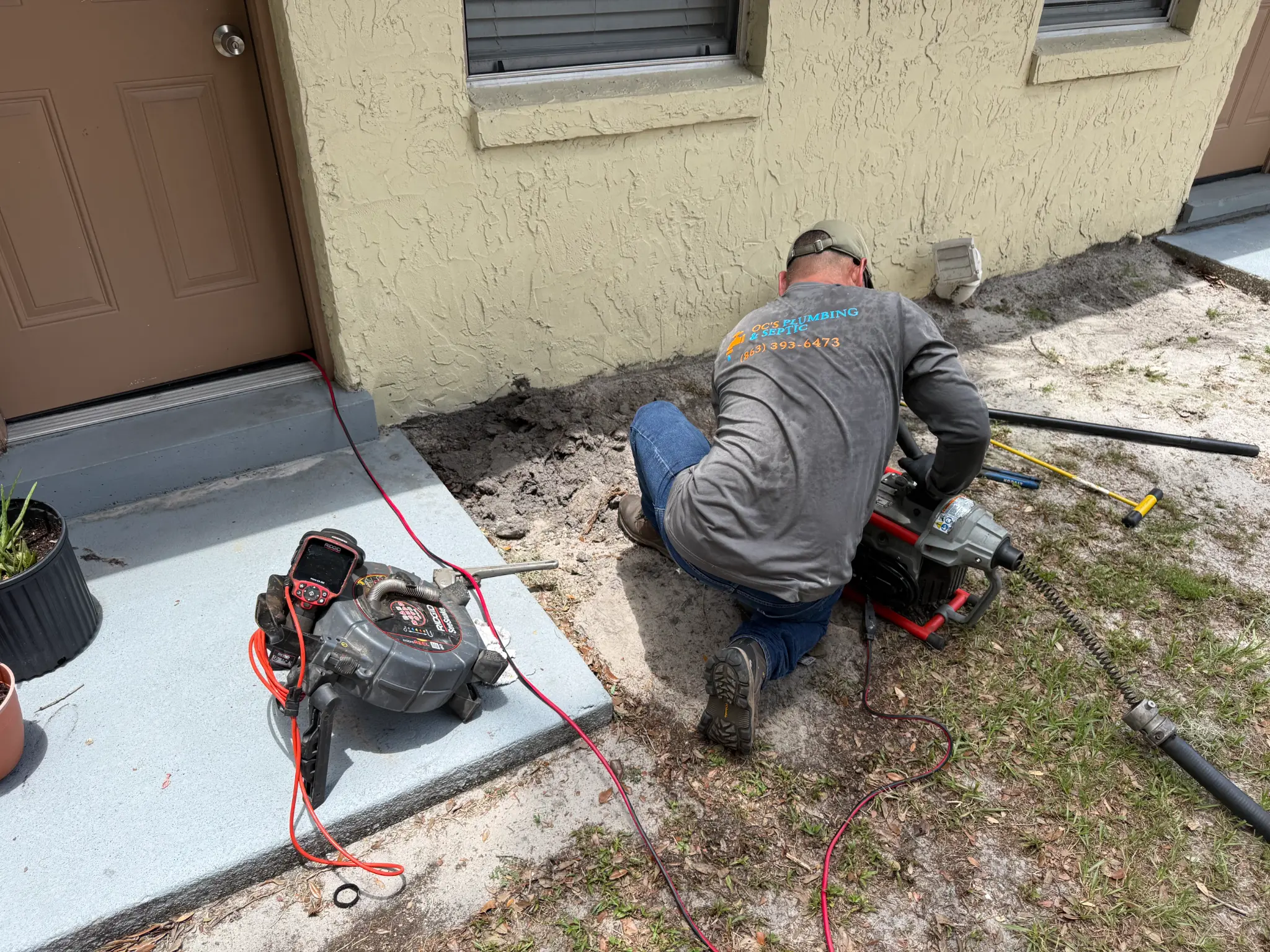
Mechanical cutting with a cable machine shears the root mass and restores flow. It works, and it is the right immediate response to a blocked line.
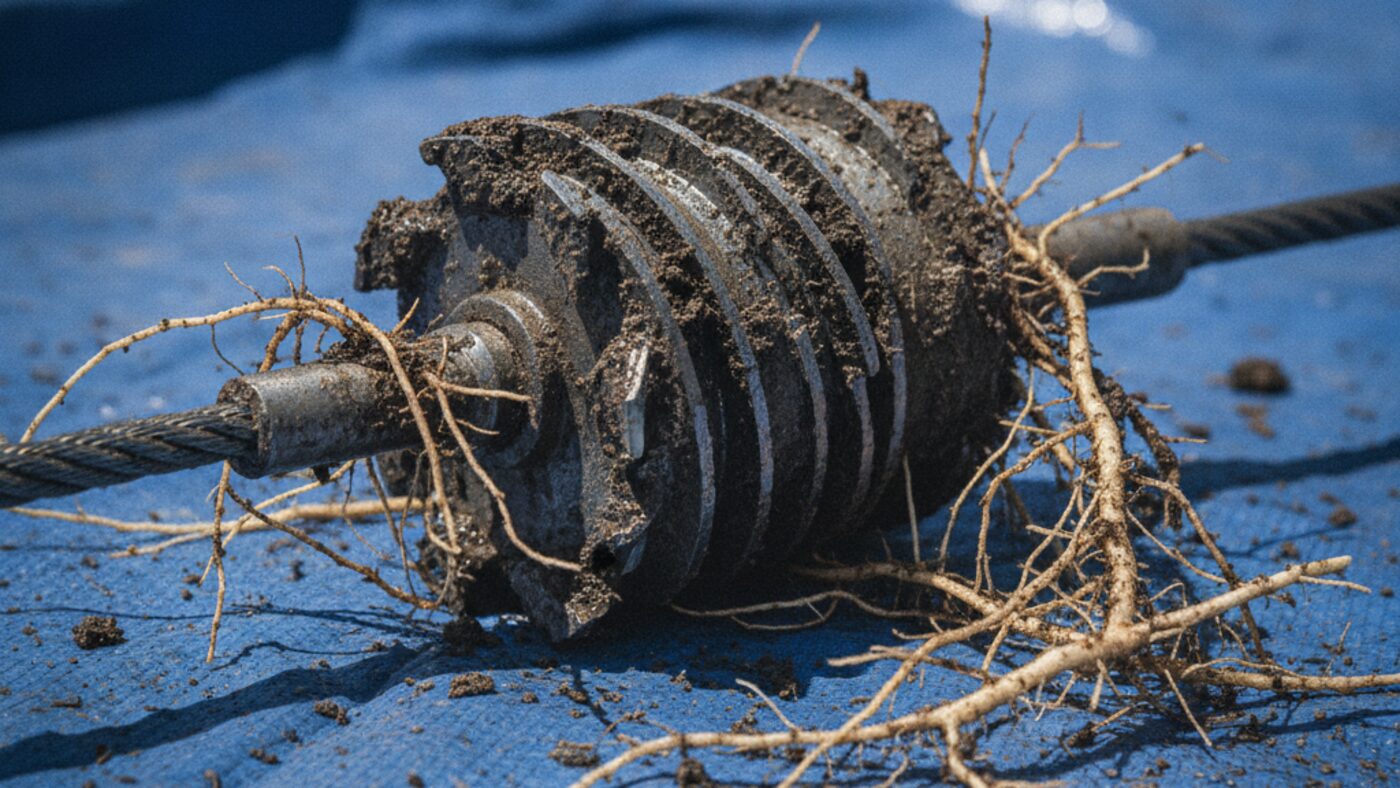
What it does not do is remove the roots outside the pipe or close the gap they came through. The remaining root system responds to the pruning by regrowing, and in this climate it does so quickly. Homes on an annual clearing schedule are effectively paying a subscription to a defect.
Hydro jetting does a more thorough job of scouring the pipe wall and removing the mass, rather than boring a channel through it. Our post on signs you need hydro jetting covers when that is the right tool.
Find Out What the Pipe Looks Like
Before deciding anything, get eyes in the line. A sewer video inspection shows where the roots are entering, how much pipe is involved, and, crucially, what condition the surrounding pipe is in.
That last point decides the repair. Roots entering through one cracked joint in otherwise sound pipe is a spot repair. Roots entering at multiple joints along a deteriorated clay run is a replacement or lining conversation. The two have very different costs, and you cannot tell them apart from the symptoms.
A camera also distinguishes root intrusion from the other common causes of recurring blockage, including the sagging section described in our post on a belly in a sewer line.
The Permanent Options
Spot repair. Excavate and replace the damaged section. Appropriate when the defect is localized and the rest of the line is sound.
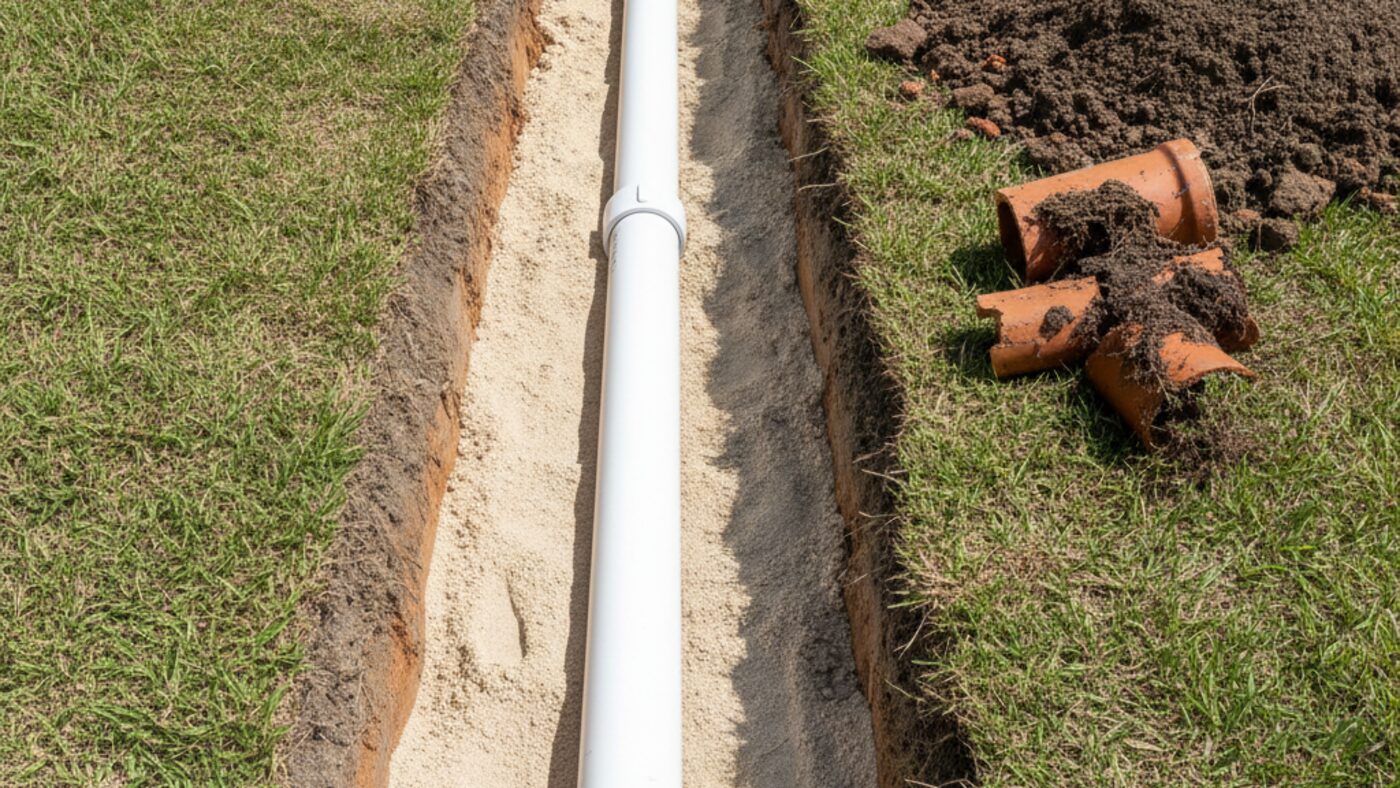
Full replacement. Where the line is old and failing along its length.
Trenchless lining. A resin liner cured in place inside the existing pipe, creating a new jointless interior surface with nothing for roots to enter. Well suited to lines running under driveways, mature landscaping or concrete, where excavation is disruptive.
Sewer line repair covers the assessment of which applies.
Managing It in the Meantime
If the repair is scheduled rather than immediate, foaming root treatments applied per the label can slow regrowth at the entry point. They are a holding measure.
Be careful about new planting. Knowing where the lateral runs before putting a tree in is worth more than any treatment afterwards, and it also matters for anyone with a septic system, where roots in the drain field are a separate and serious problem.
Practical Takeaways
Treat a blockage that returns on a schedule as structural rather than incidental. Get a camera in the line before authorizing repeated clearings. Understand that cutting is relief, not repair. Where the pipe is otherwise sound, closing one opening ends the cycle.
Talk to a Licensed Professional
OC's Plumbing & Septic handles tree root removal and sewer repair across Lakeland, Kathleen, Mulberry and the surrounding area. Call (863) 393-6473 or use the contact page.
Frequently Asked Questions
Recurring slow drains across several fixtures, gurgling toilets, and backups that return a few months after being cleared are the common pattern, especially in an older home with mature trees near the line. A camera inspection confirms it and shows how far the intrusion has gone.
Foaming root treatments can slow regrowth at the point of entry, but they do not repair the crack or joint the roots came through, and they do not remove an established root mass. They are a maintenance measure between mechanical clearings, not a fix.
No. Cutting restores flow, which matters when a line is blocked, but the roots grow back through the same opening. A lasting fix means repairing, replacing or lining the damaged section so there is no longer a way in.
Fast-growing, water-seeking species are the worst offenders. In Central Florida that commonly means oaks, maples, willows and ficus. Distance matters less than people expect, because roots can travel well beyond the canopy.