Key Takeaway
A failing drain field shows itself as soggy ground or vivid green grass over the field, sewage odor outdoors, slow drains throughout the house, and backups that return soon after pumping. The distinguishing test is whether pumping the tank fixes it for long: if the problem returns within weeks, the field is the issue, not the tank. Causes include solids escaping an overdue tank, excess water, compaction and root intrusion. Some fields can be rejuvenated rather than replaced. Call (863) 393-6473.
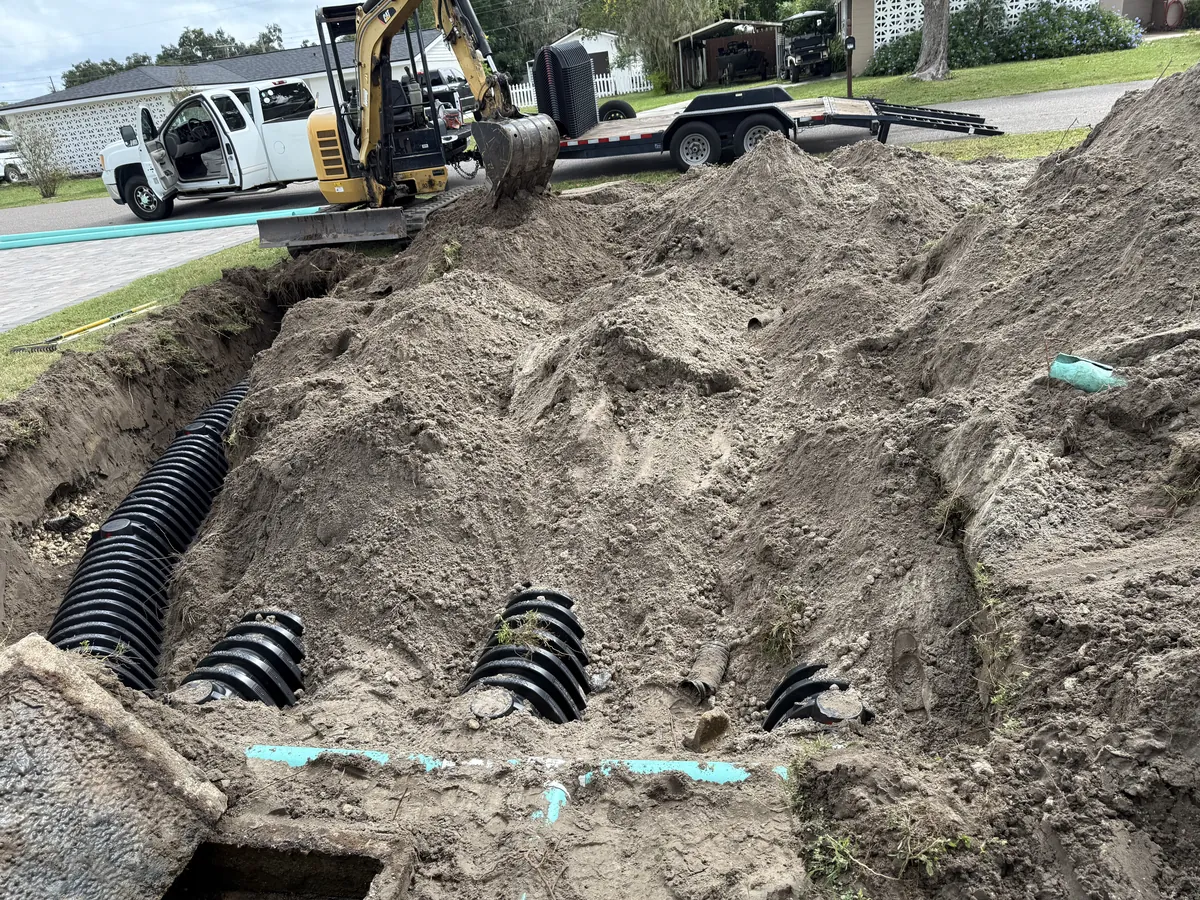
A failing drain field announces itself above ground. Soggy or spongy soil over the field, a strip of grass noticeably greener and faster-growing than the rest of the yard, and a sewage smell outdoors are not cosmetic quirks. They mean effluent is surfacing rather than being absorbed.
At that point the question is no longer whether there is a problem. It is whether the field can be restored or has to be replaced, and those differ enormously in cost.
The Test That Separates Tank From Field
The symptoms of a full tank and a failing field overlap almost completely: slow drains, gurgling, backups, odor. The distinguishing factor is what happens after pumping.
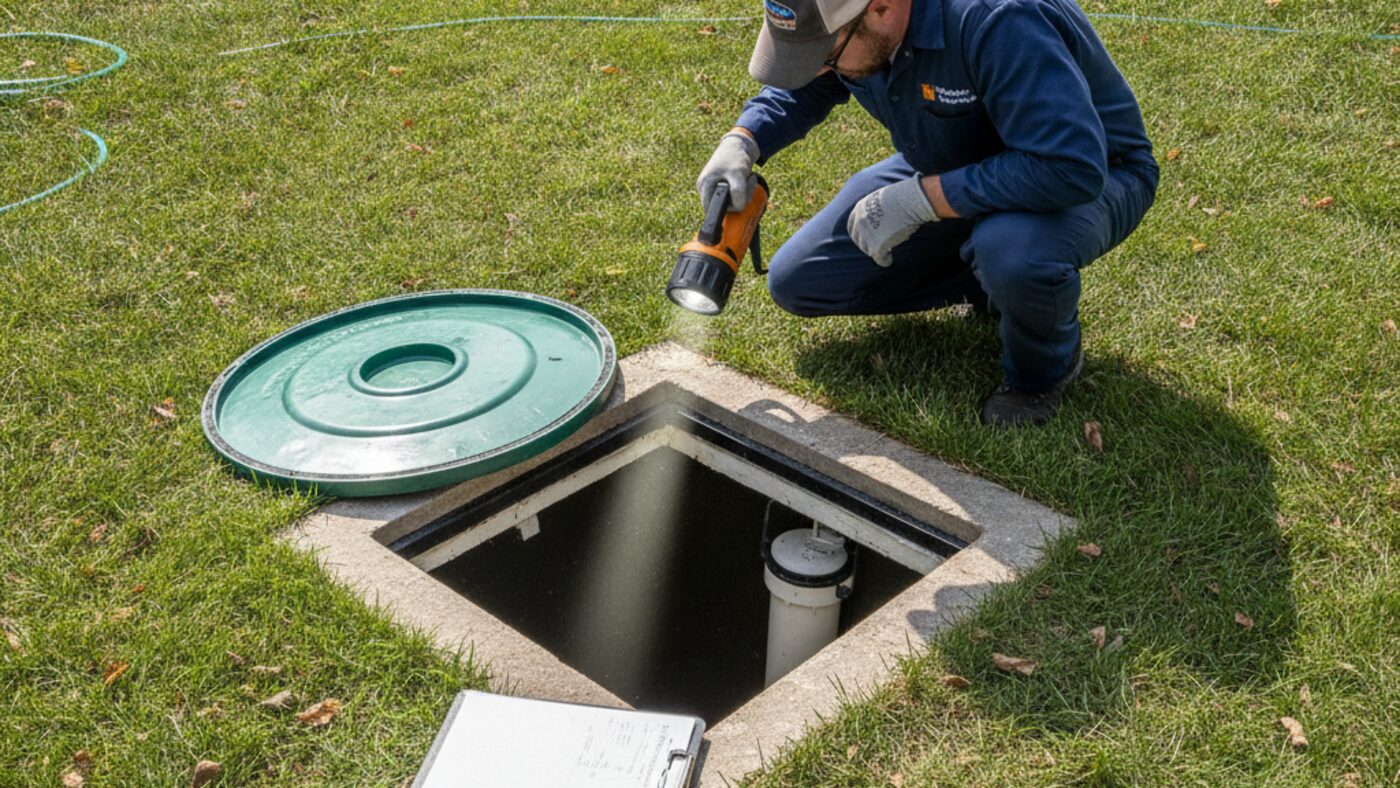
Pump the tank. If the symptoms clear and stay cleared for months, the tank was the problem and you were overdue. Our post on how often to pump a septic tank covers the schedule.
If they return within days or weeks, the field is not absorbing. The tank was filling quickly because the effluent had nowhere to go, and pumping only bought time.
Paying for repeated pump-outs on a failing field is a common and expensive pattern. Two pump-outs close together is the signal to stop and assess the field.
What Failure Looks Like
- Standing water or spongy ground over the field, particularly when it has not rained
- Grass distinctly greener and more vigorous in the shape of the drain lines
- Sewage odor outdoors, near the field or the tank
- Slow drains throughout the house rather than at one fixture
- Backups recurring shortly after pumping
- Gurgling from drains and toilets
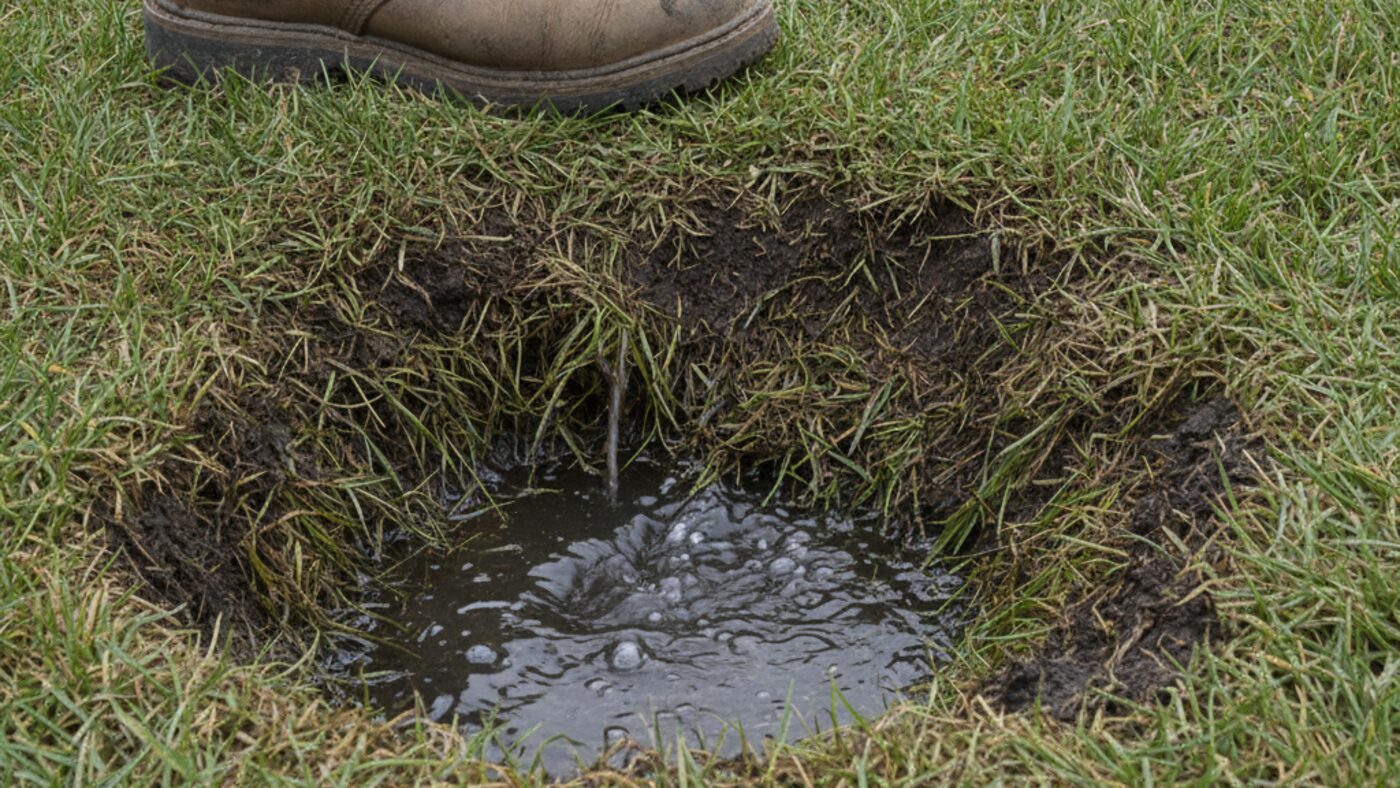
Symptoms often worsen during Florida's wet season, when the water table rises and soil that is already struggling has even less capacity. Our post on drain field problems after heavy rain covers the seasonal pattern specifically.
What Causes It
Solids from an overdue tank. The leading cause. Solids that should have stayed in the tank travel into the drain lines and clog the pore space in the surrounding soil. This damage is cumulative and not undone by pumping afterwards.
Too much water. More effluent than the soil can absorb, whether from a household that has grown, a toilet running continuously, or roof and yard drainage directed toward the field.
Compaction. Vehicles, trailers, heavy equipment or a structure over the field. Compacted soil cannot absorb, and the damage is often permanent.
Root intrusion. Trees and large shrubs finding the drain lines, the same process described in our post on tree roots in a sewer line.
Biomat buildup. A natural biological layer forms at the soil interface in every system. Normally it stays in balance; overloaded, it thickens until it seals the soil.
Age. Fields do not last forever, and older systems in Polk County are often working well beyond their design life.
Restoration Versus Replacement
Not every failing field needs replacing.
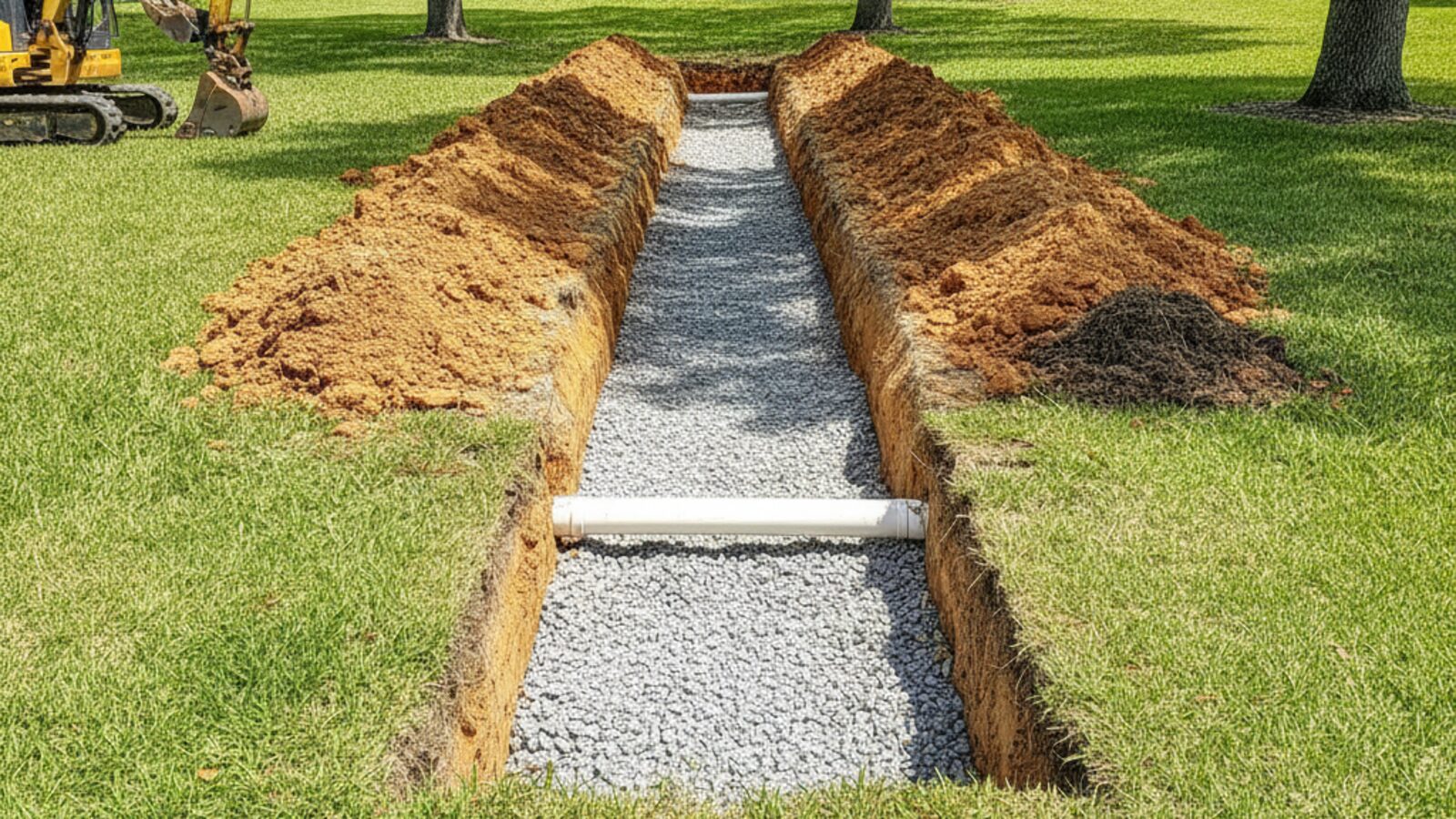
Drain field rejuvenation can be effective where the issue is a biomat layer sealing the soil rather than physical destruction of the field. Drain field restoration addresses a broader range of conditions.
Replacement becomes the answer where the field has been compacted or crushed, where the lines have collapsed, or where the soil's capacity is genuinely exhausted. That is a permitted project in Florida, involving the county health department, and it needs planning rather than an emergency decision.
An assessment is what tells you which category you are in, and it is worth getting before the situation forces the choice.
Protecting the Field You Have
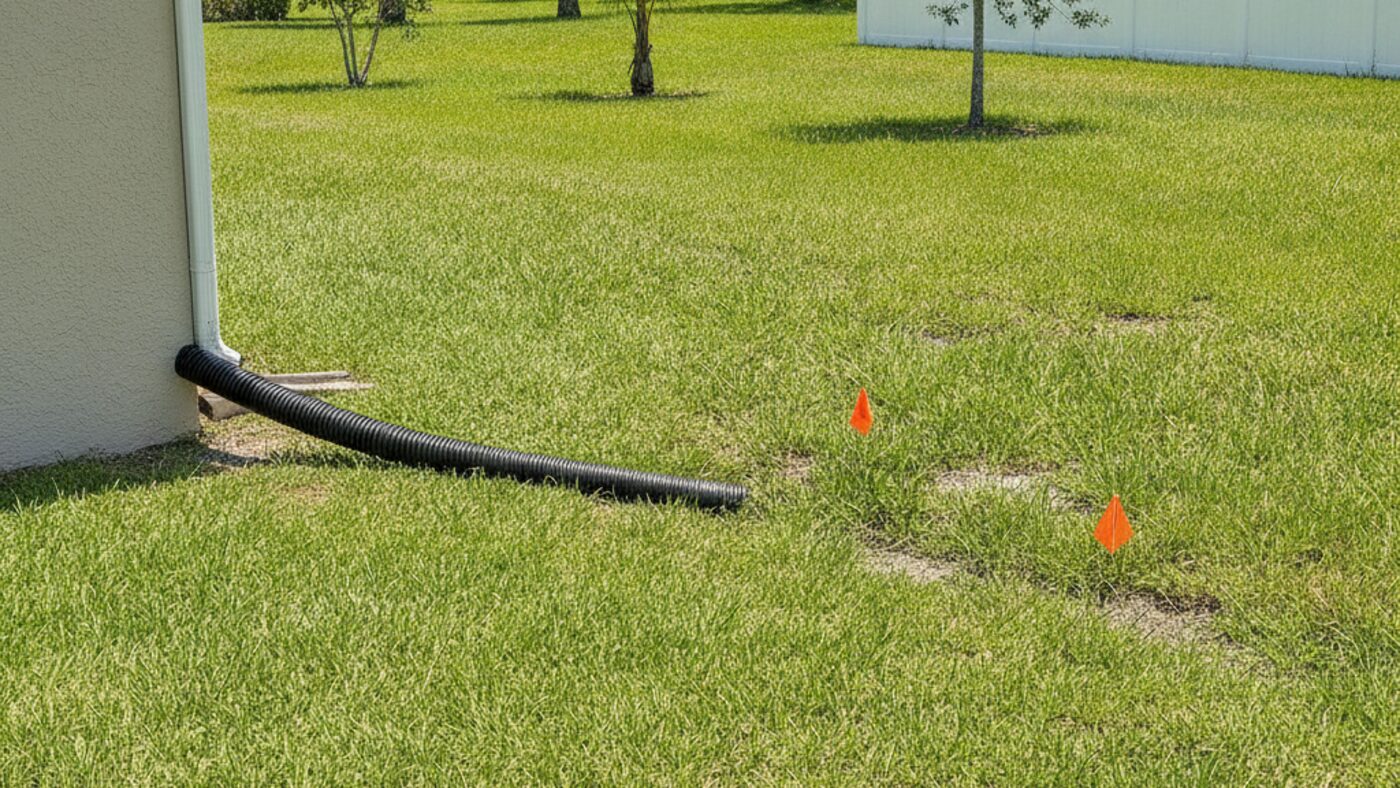
Pump the tank on schedule, which is the single most effective thing. Keep water volume reasonable and fix running toilets promptly. Keep vehicles and structures off it entirely. Direct gutters away. Plant nothing deeper-rooted than grass above it. Follow the rest of the guidance in our post on septic do's and don'ts.
Florida systems are permitted through the Department of Health's onsite sewage program, which usually holds the original installation records including the field's location and size.
Practical Takeaways
Treat soggy ground or vivid green grass over the field as a warning, not a curiosity. Use pumping as a diagnostic: symptoms returning quickly means the field, not the tank. Stop paying for repeat pump-outs and get an assessment. Restoration is sometimes possible, and it is only an option if you look before the field is destroyed.
Talk to a Licensed Professional
OC's Plumbing & Septic assesses and restores drain fields across Lakeland, Polk City, Kathleen and the surrounding area. Call (863) 393-6473 or use the contact page.
Frequently Asked Questions
Pumping the tank is the test. If the symptoms clear and stay cleared, the tank was the problem. If they return within days or weeks, the field is not absorbing and the tank was simply filling up because the effluent had nowhere to go.
Sometimes. Where the soil has been clogged by a biomat layer rather than physically destroyed, rejuvenation treatments can restore absorption. Where the field has been compacted, crushed by vehicles, or has simply reached the end of its life, replacement is the realistic answer. An assessment determines which.
With a tank pumped on schedule and reasonable water use, several decades is normal. With an overdue tank sending solids into the lines, it can be a few years. Maintenance of the tank is the main thing determining the life of the field.
Because effluent that should be absorbing into the soil below is reaching the root zone or surfacing. It is nutrient-rich, so the grass responds. In a healthy system the grass over the field looks the same as the rest of the yard.