
Key Takeaway
You can use a garbage disposal with a septic system, but ground food digests slowly and builds up as sludge and scum, so it affects how often the tank needs pumping. The EPA says to eliminate or limit disposal use and that household tanks are typically pumped every three to five years, while Penn State Extension recommends every two to three years. With a disposal, lean toward the shorter end, scrape plates first, and never send grease or coffee grounds down the sink. Call (863) 393-6473 for disposal repair or a septic-appropriate installation.
Yes, you can use a garbage disposal with a septic system, but it sends extra food solids and grease into the tank, so the system needs more care and usually more frequent pumping. Used lightly and paired with a sensible pumping schedule, a disposal and a septic tank can coexist in a Lakeland home for years.
The trouble starts when the disposal is treated like a trash can. Here is what actually happens to food waste in a septic tank, what the EPA and extension researchers advise, and how to set up and use a disposal on septic in Polk County.
What a Garbage Disposal Adds to a Septic Tank
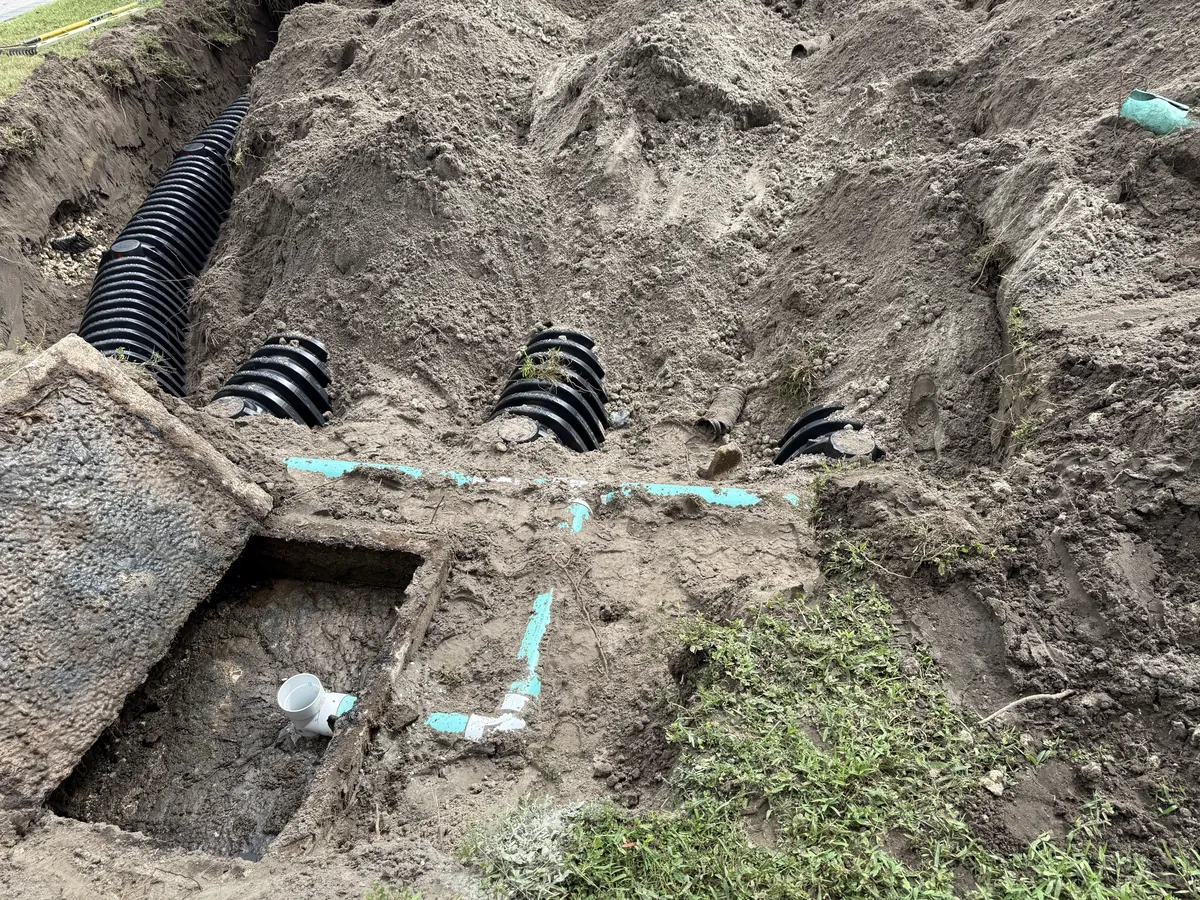
A septic tank holds wastewater long enough for solids to settle to the bottom as sludge and for fats and grease to float to the top as scum. Bacteria break some of that material down, and the clarified liquid in the middle flows out to the drain field.
Ground-up food is not the easy part of that job. The EPA's guide to septic care puts it this way: "Food waste usually is slowly digested by the healthy bacteria in your septic tank and can accumulate as scum and sludge." Penn State Extension is blunter: "Garbage grinders impose an additional solids load on the system."
That extra material takes up room in the tank. The thicker the sludge and scum layers get, the less space is left for wastewater to settle, and the more likely solids are to escape toward the drain field.
What the EPA and Extension Guidance Says
Neither source tells you to rip the disposal out. The EPA's septic care guide says to "eliminate or limit the use of a garbage disposal," because that "will significantly reduce the amount of fats, grease, and solids that enter your septic tank." It also says that using one "can impact how often you need to pump your septic tank."
The recommended pumping schedules differ, and it is worth being honest about that:
- The EPA says household septic tanks "are typically pumped every three to five years," and that the average system should be inspected at least every three years.
- Penn State Extension recommends that a septic tank "be pumped and inspected every two to three years."
If your household runs the disposal every day, plan around the shorter end of that range. Better still, have a licensed septic service measure the sludge and scum layers so the schedule is based on your tank rather than an average.
Why It Matters More in Polk County
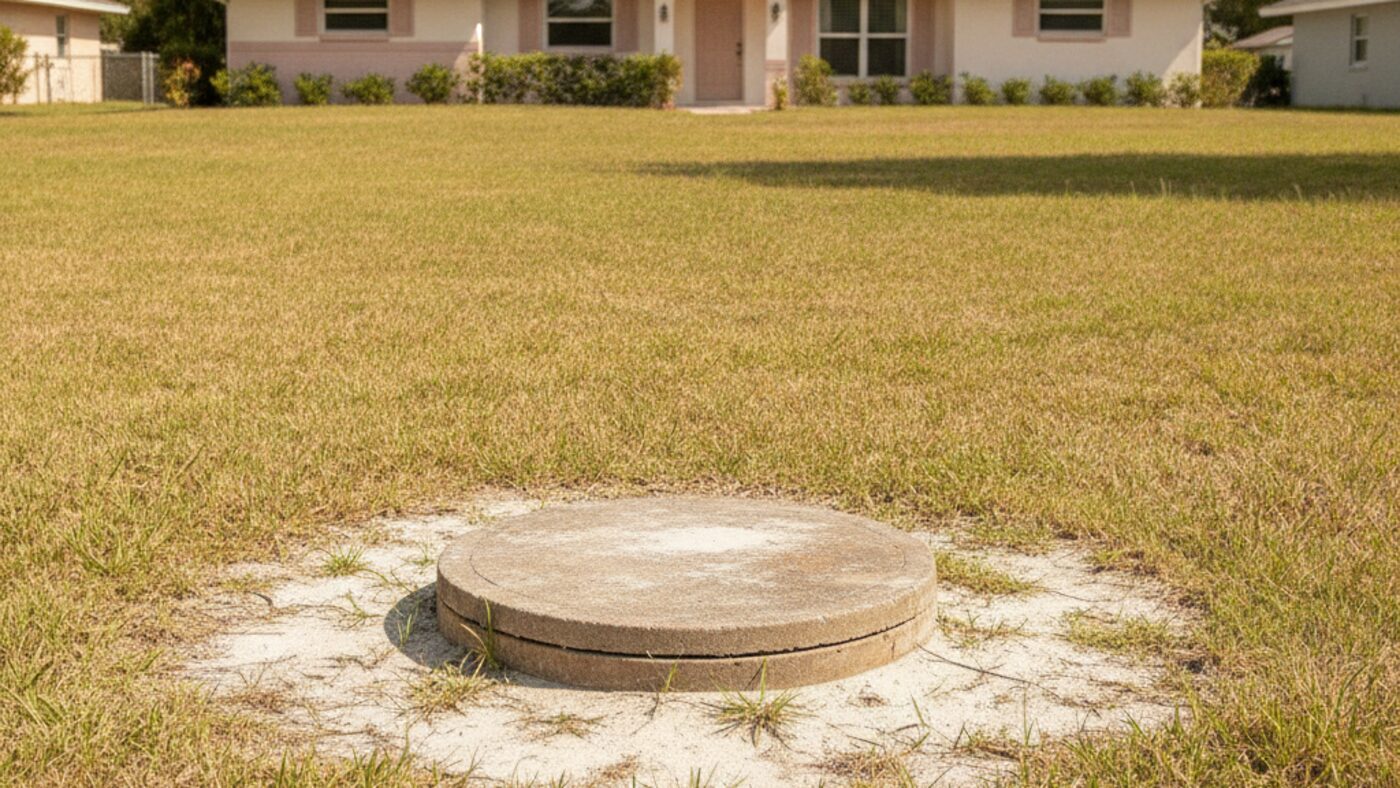
Septic is not a niche arrangement in Florida. The Florida Department of Health says septic systems serve 30% of the state's population, and plenty of homes around Lakeland, Kathleen, Polk City and Mulberry are among them. In Polk County, septic permits go through the Department of Health's Bartow Environmental Public Health Office.
Local conditions make extra solids more costly here. When the wet season pushes the water table up, drain fields have less spare capacity to begin with, which we covered in our post on septic drain field problems after heavy rain. A field that is also receiving fine solids carried out of an overloaded tank has even less margin. A tank can simply be pumped. A clogged drain field needs drain field rejuvenation or replacement, and that is where the real expense is.
How to Use a Disposal on Septic Without Shortening Its Life
On a septic home, a disposal works best as a cleanup tool for the scraps that slip past, not as the main way food leaves the kitchen.
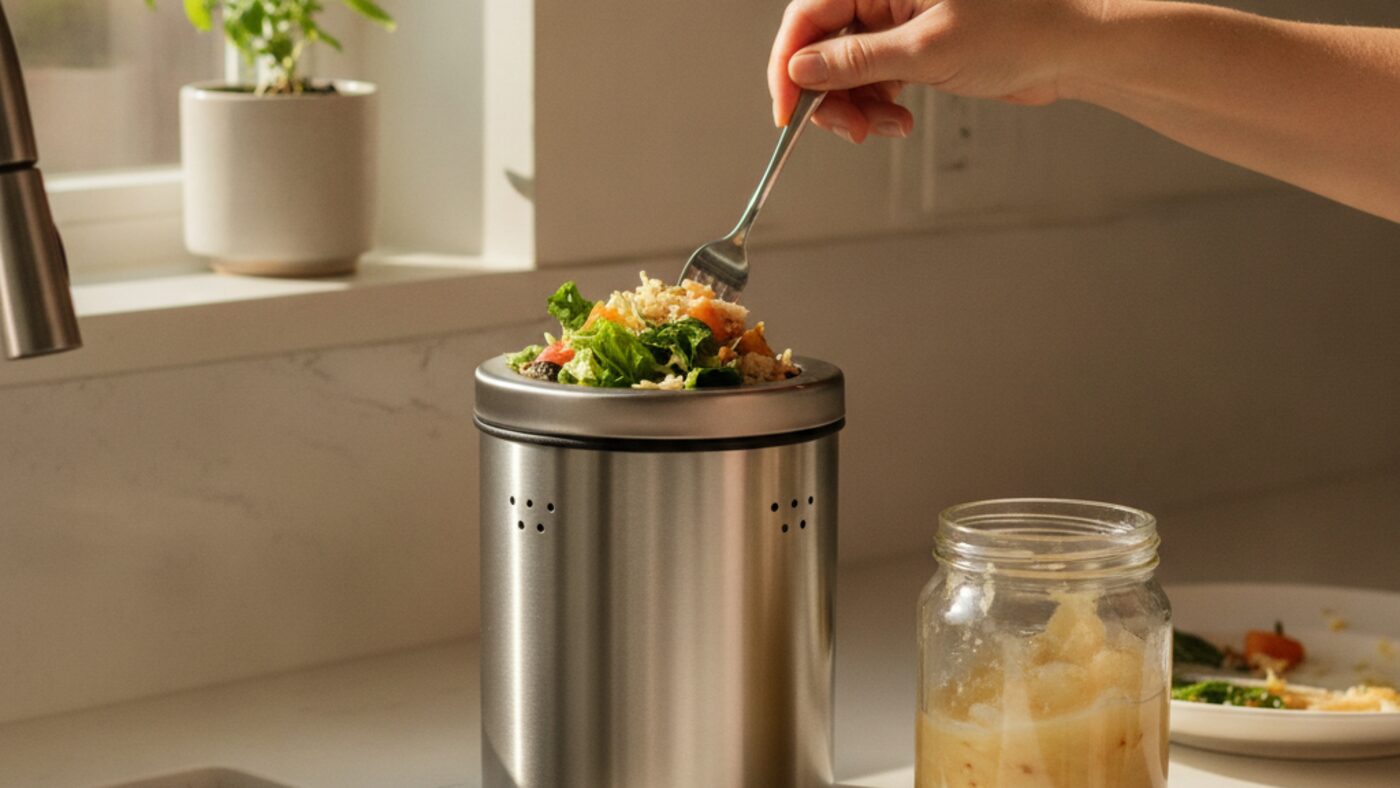
- Scrape plates into the trash or a compost bin first. Only the small bits left behind should go down the sink.
- Never pour grease, oil or fat down the drain. Cooking grease and oil are on the EPA's list of things never to flush, and they go straight into the scum layer.
- Keep coffee grounds out. They are on the same EPA list.
- Skip bones, fibrous peels, pasta and rice. They jam the disposal and add bulk to the tank.
- Run cold water while grinding and for a few seconds after, so the waste clears the kitchen drain line.
- Do not use chemical drain cleaners on a clogged disposal. They can damage its internal parts, and a jam is better cleared mechanically.
Choosing or Replacing a Disposal for a Septic Home
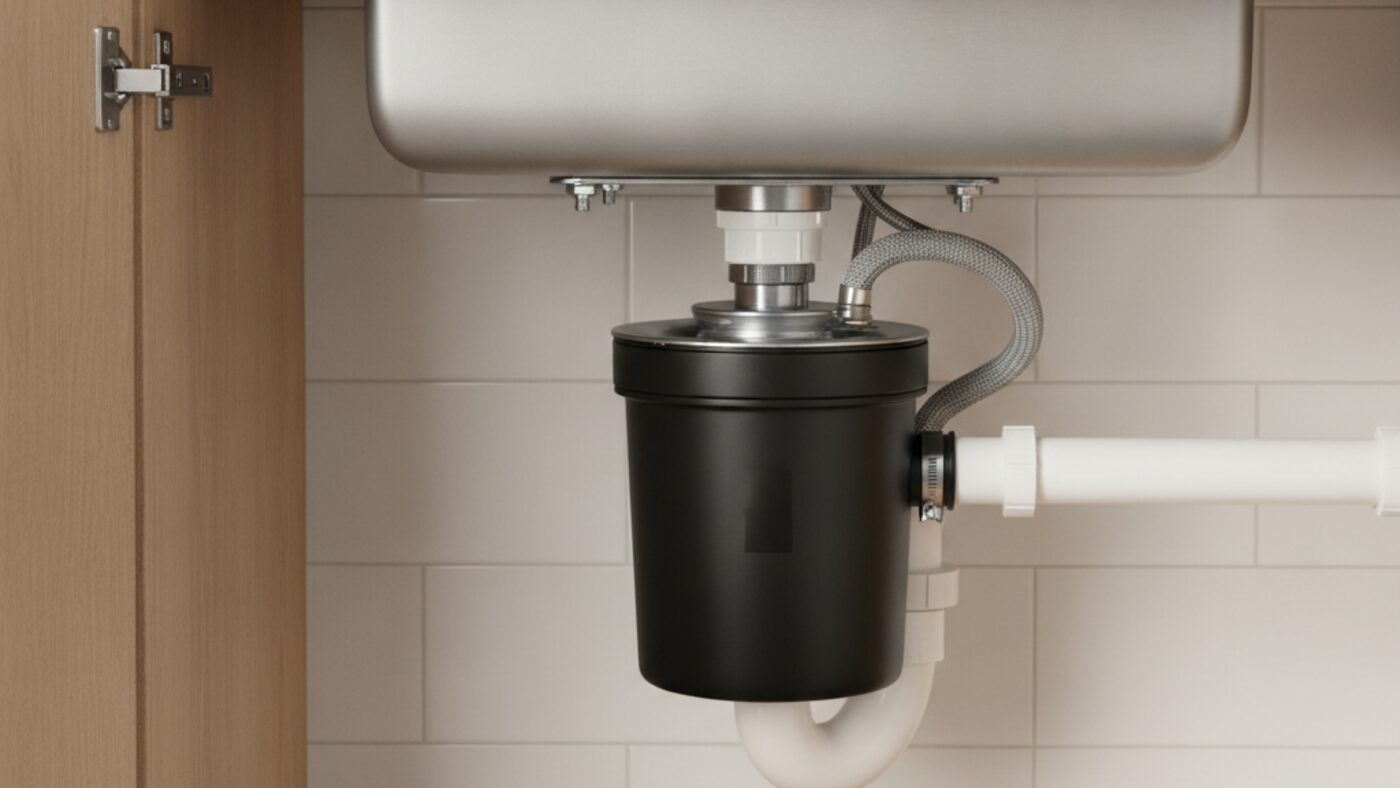
If you are replacing a worn-out unit or adding one to a home on septic, mention the septic system before a unit is chosen. Our garbage disposal installation service recommends a unit suited to your setup, whether the home is on municipal sewer or septic, and connects the dishwasher drain and trap so the kitchen line drains properly.
If you already have a disposal, these signs mean it needs attention:
- It hums but will not spin, which usually means a jam.
- It leaks from the bottom of the unit, which usually means the internal seals have failed.
- Water backs up into the other sink basin.
- An odour lingers after a full minute of rinsing.
A jam or a leak at the sink flange is often a quick garbage disposal repair. A unit leaking from its own housing is normally a replacement.
The Bottom Line
A garbage disposal and a septic tank can live together as long as the disposal handles leftovers rather than whole meals, grease never goes down the sink, and the tank is checked often enough to catch a thick sludge layer before it reaches the drain field.
If your disposal is jammed, leaking or due for replacement, or you want a unit installed that suits a septic home, call OC's Plumbing & Septic at (863) 393-6473. We serve Lakeland and communities across Polk County.
Frequently Asked Questions
Yes, with limits. A disposal adds food solids, fats and grease that bacteria in the tank break down slowly, so they build up as sludge and scum. The EPA recommends eliminating or limiting disposal use. Used lightly, for the scraps left after plates are scraped into the trash, a disposal and a septic system can work together.
The EPA says household septic tanks are typically pumped every three to five years, and Penn State Extension recommends pumping and inspection every two to three years. If your household runs a disposal daily, plan around the shorter interval and have a licensed septic service measure the sludge and scum layers rather than guessing.
Cooking grease, oil and fat, coffee grounds, bones, fibrous peels such as celery and corn husks, and starchy or expanding foods like pasta and rice. Grease and coffee grounds are both on the EPA's list of things to keep out of a septic system, and the rest jam the disposal and add bulk to the tank.
The Florida Department of Health in Polk County. Septic tank permits are issued through its Bartow Environmental Public Health Office.