Key Takeaway
Only human waste and toilet paper should go into a septic system. Wipes marketed as flushable do not break down and are a leading cause of blockages. Grease solidifies and coats the tank and lines. Heavy bleach and antibacterial products kill the bacteria the tank depends on to break down solids. Excess water, including from a toilet that runs continuously, pushes solids into the drain field before they have settled. Call (863) 393-6473.
A septic system is a biological process, not a container. It depends on bacteria breaking down solids, on those solids staying in the tank, and on the drain field soil being able to absorb what leaves. Most of what damages it is not dramatic. It is steady, ordinary and easy to avoid once you know.
The expensive consequence is almost always the same: the drain field. That is the part that costs the most to replace, and nearly everything on this list eventually threatens it.
The Short List
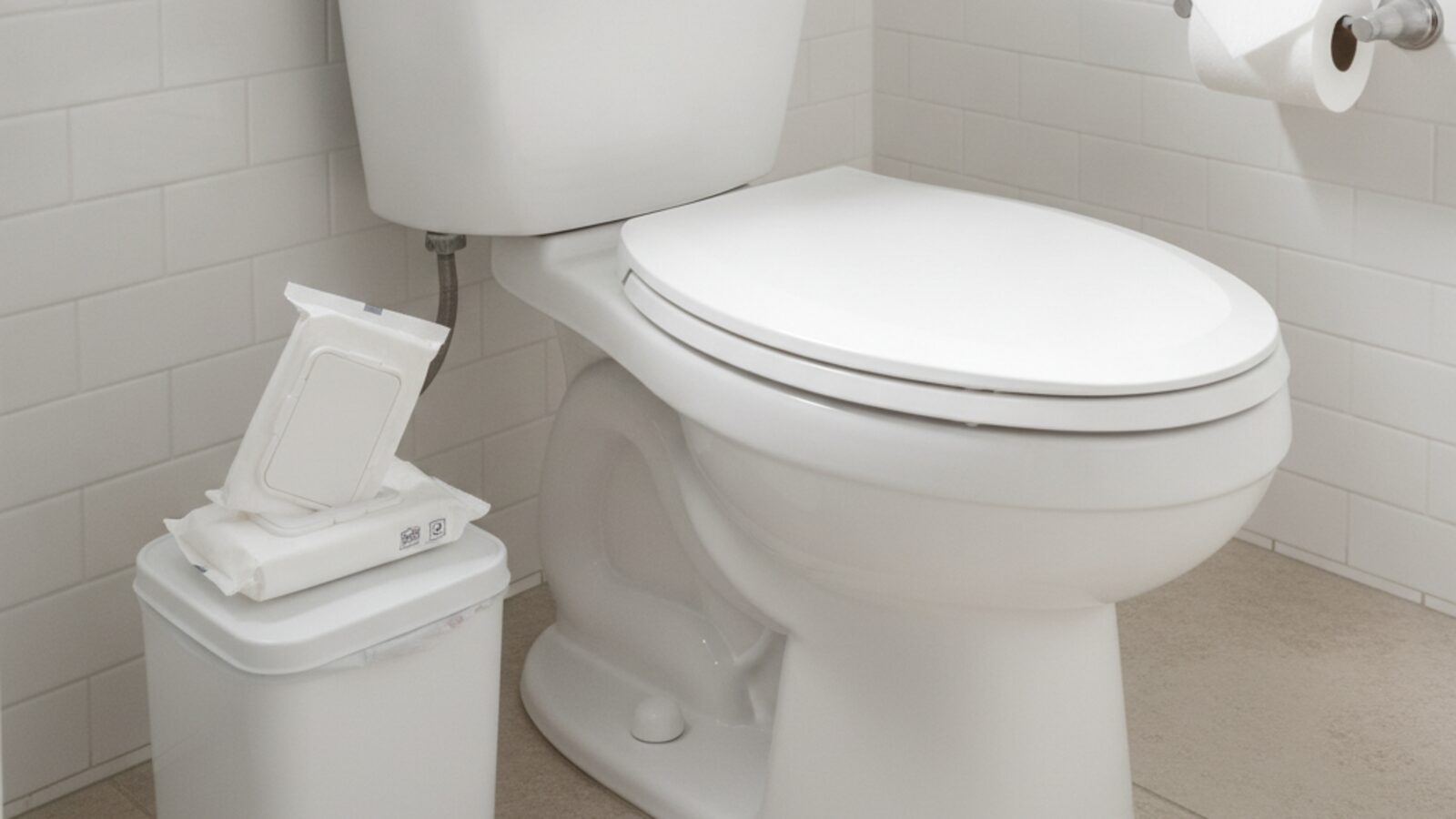
Only two things belong in a toilet connected to a septic system: human waste and toilet paper. Everything else has somewhere better to go.
Wipes Are the Worst Offender
Wipes marketed as flushable clear the toilet, which is all that claim actually means. They do not disintegrate the way toilet paper does. They stay intact in the tank, catch on roots and rough spots in the line, and bind with grease into the mass plumbers find at the heart of most serious blockages.
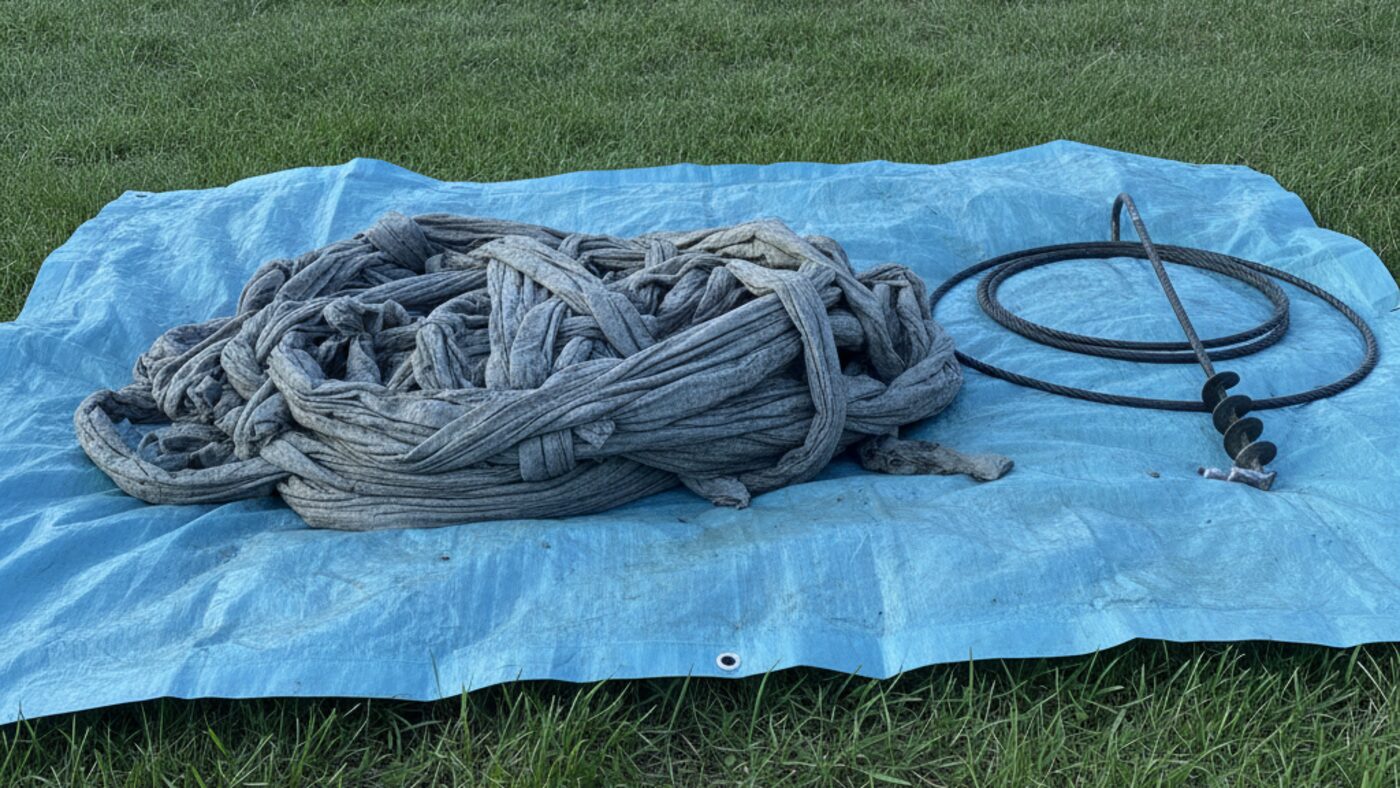
The same applies to paper towels, facial tissue, cotton pads, dental floss, feminine hygiene products, cat litter and diapers. None of them break down.
If a blockage has already formed, our post on what to do when your septic backs up covers the immediate steps.
Grease and Fats
Cooking oil, bacon fat and grease go down the drain as liquid and become solid a short distance along the pipe. In a septic system they add to the scum layer the tank has to hold and coat the inside of the line running to it.
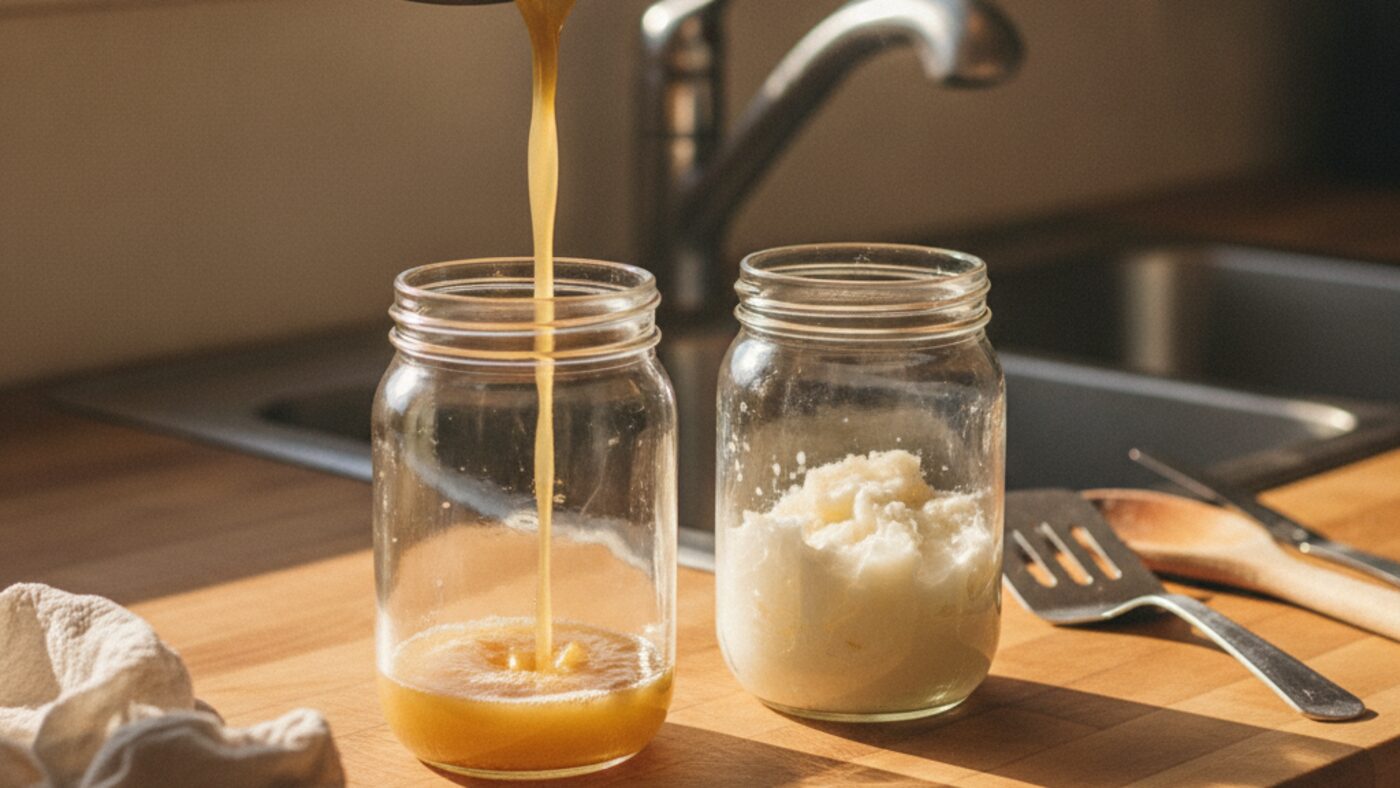
Pour grease into a container, let it set, and bin it. This single habit prevents more blockages than any other.
Chemicals That Kill the Bacteria
The tank works because bacteria digest solids. Anything strongly antibacterial reduces that population.
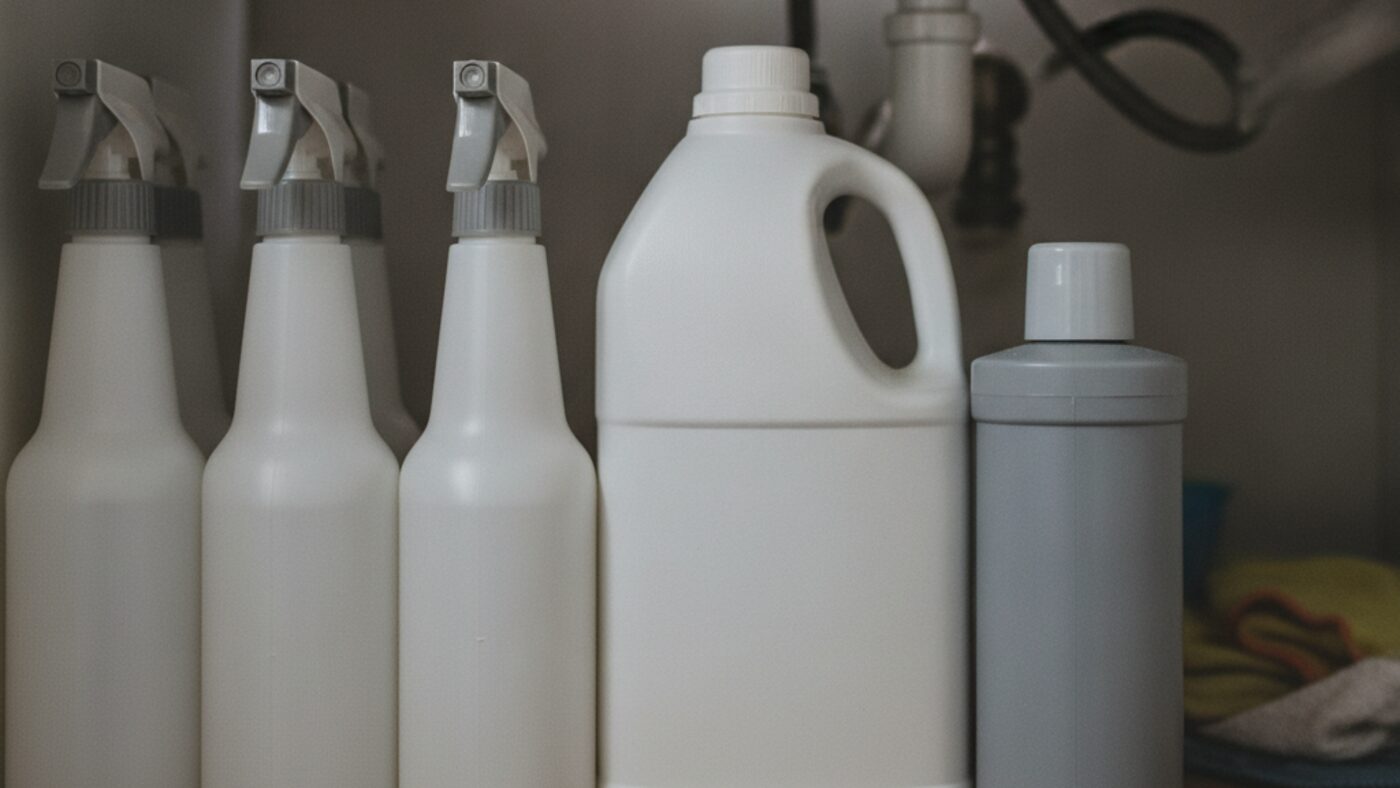
Normal household cleaning is fine. What causes problems is volume: pouring large amounts of bleach down a drain, using chemical drain cleaners, or disposing of paint, solvents, pesticides or motor oil into the system. Those also pass through to the drain field and into the groundwater, which in Polk County means the aquifer.
Chemical drain cleaner deserves a specific mention. It rarely clears a real blockage, it damages older pipe, and it arrives in the tank as a slug of caustic chemistry.
Water Volume Matters as Much as What Is In It
This one surprises people. A septic tank needs residence time for solids to settle. Push too much water through too quickly and solids get carried out to the drain field before they have separated, which is exactly the failure mode that clogs the soil.
Sources of excess water:
- A toilet running continuously. A silent flapper leak can send hundreds of gallons a day into the tank. Test with food coloring in the tank: color appearing in the bowl without flushing means the flapper is leaking.
- Several loads of laundry in one day. Spreading them across the week is better for the system than doing them all on Saturday.
- Long showers and dripping fixtures.
- Roof or yard drainage directed toward the drain field, which saturates soil that needs to absorb.
Above Ground
Keep vehicles off the tank and drain field. Compaction damages both, and lids are not built for those loads.
Do not plant trees or large shrubs near the field or the line to it. Roots find them, and that becomes the problem described in our post on tree roots in a sewer line.
Do not build over any part of it. Patios, sheds and additions placed over a tank turn routine service into excavation.
Direct gutters and downspouts away from the field.
What To Do
Pump on schedule, which for most households is every three to five years; our post on how often to pump a septic tank covers what changes that interval. Keep the records. Know where your tank and field are. Fix running toilets promptly. Spread laundry across the week. Keep the area above the field clear and planted with nothing deeper-rooted than grass.
The EPA's SepticSmart guidance is a good reference to keep, and Florida systems are permitted through the Department of Health's onsite sewage program, which is where original installation records usually live.
Practical Takeaways
Waste and toilet paper only. Grease in the bin, never the drain. Go easy on bleach and skip chemical drain cleaner entirely. Fix running toilets, because water volume damages drain fields as surely as solids do. Keep vehicles, structures and tree roots off the field.
Talk to a Licensed Professional
OC's Plumbing & Septic installs and services septic systems and drain fields across Lakeland, Auburndale, Eagle Lake and the surrounding area. Call (863) 393-6473 or use the contact page.
Frequently Asked Questions
No. Despite the labeling, they do not break apart the way toilet paper does. They accumulate in the tank and catch on anything in the line, and they are among the most common causes of blockages plumbers find. The only wipe that is safe for a septic system is one that goes in the bin.
Ordinary household use in normal amounts is generally tolerated. Heavy or repeated use is a different matter, because a septic tank relies on bacteria to break down solids and disinfectants kill them. Avoid pouring large volumes of bleach or drain cleaner down the drain.
You can, but it adds food solids the tank must hold, which shortens the interval between pump-outs. Our post on using a garbage disposal with a septic system covers how to limit the effect.
There is no additive that removes the need for pumping. Solids still have to be physically removed. Some products claim to restore bacteria, but a normally used household system generally maintains its own bacterial population without help.