Key Takeaway
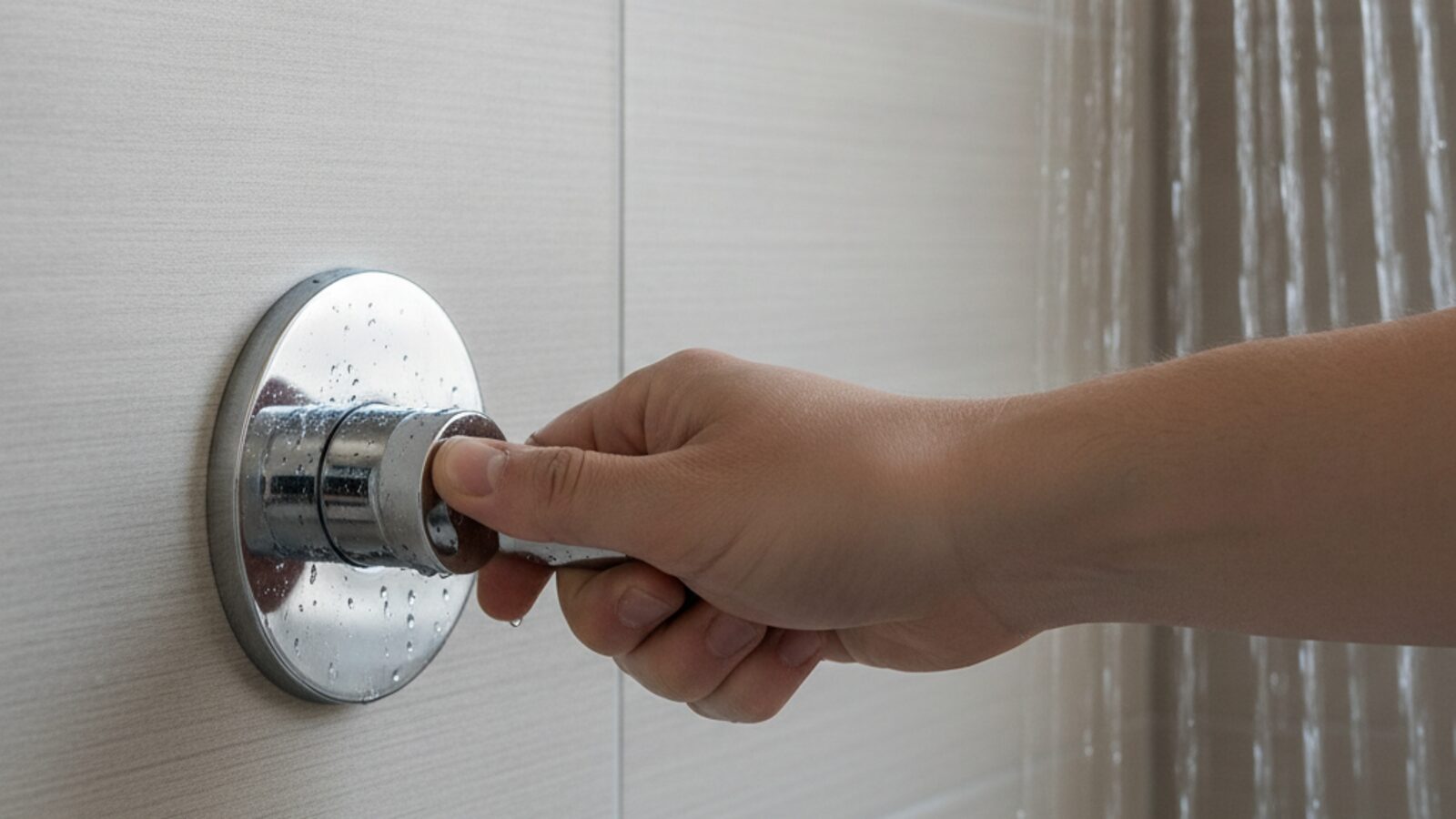
If hot water is fine at the sinks but one shower runs cold or lukewarm, the fault is in that shower's valve, not the water heater. Anti-scald valves have an adjustable limit stop that drifts over time, and cartridges scale up in Polk County's mineral-rich water so hot flow gets restricted while cold flows freely. A shower that suddenly scalds or goes cold when a toilet flushes has a failing pressure-balancing valve. Call (863) 393-6473.
If the sinks deliver plenty of hot water and one shower does not, the water heater is not your problem. The fault is in that shower's valve, behind the wall, and it is usually one of three things.
This distinction saves people from replacing a working water heater, which happens more often than it should.
First, Confirm It Is the Shower
Run hot water at the bathroom sink next to the shower and let it run a minute. If it gets properly hot, the heater is delivering and the hot water is reaching that bathroom.
If hot water is weak everywhere in the house, that is a different problem, and our post on how often to flush a water heater covers the sediment buildup that usually causes it.
The Limit Stop
Modern shower valves are anti-scald by design, and most have an adjustable limit stop that restricts how far the handle can rotate toward hot. It exists to prevent a scalding at full hot.
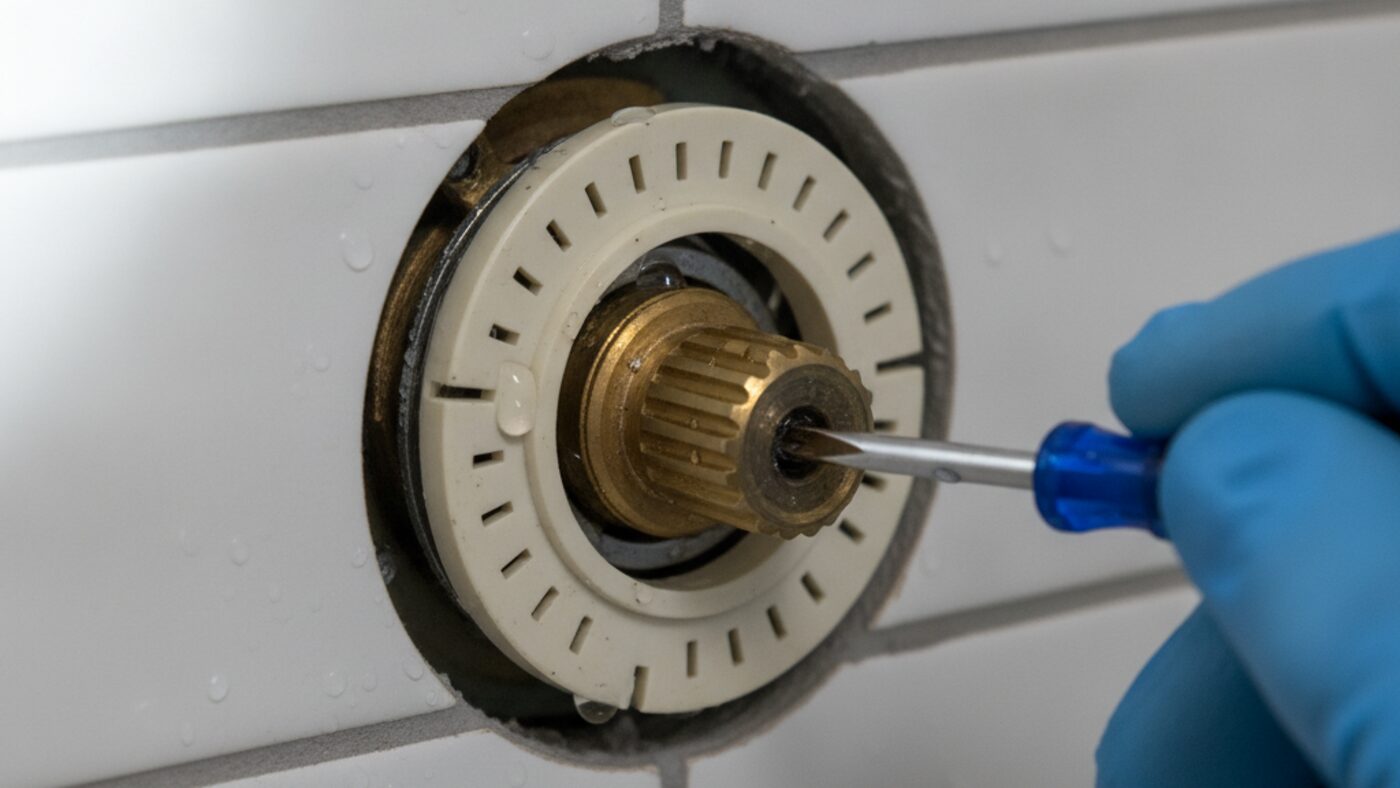
It can be set too conservatively from installation, and it can drift. The symptom is characteristic: the shower reaches warm and simply will not go beyond it, no matter how far the handle turns.
On many valves the limit stop sits beneath the handle and adjusts with a screwdriver or by repositioning a splined plastic collar. Adjust it in small increments, testing the temperature each time. Do not open it so far that full hot becomes dangerous, particularly where children or older adults use the shower.
The Cartridge, and Why It Fails Here
The cartridge is the moving part inside the valve, and it is the wear component.
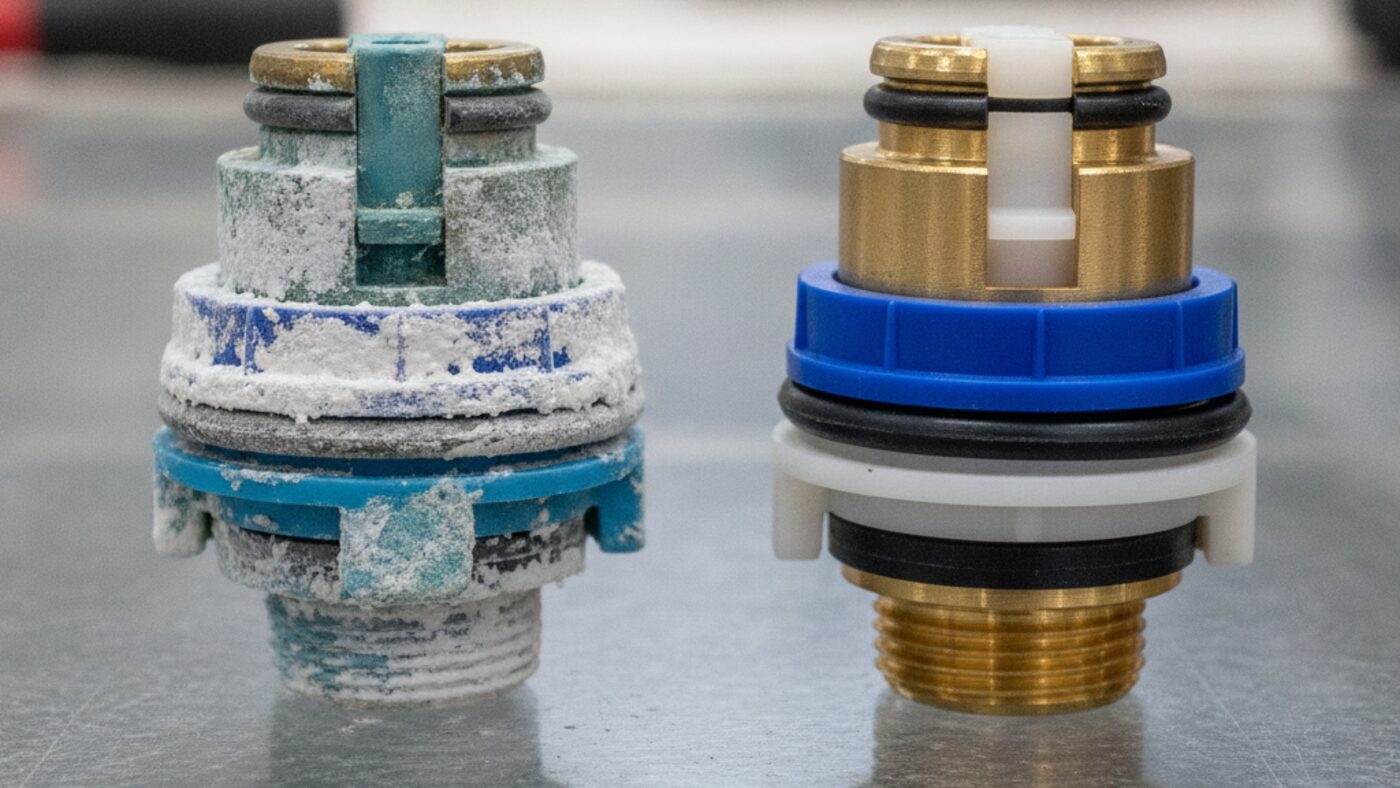
Polk County water carries dissolved minerals from the Floridan aquifer. Those minerals deposit inside the cartridge, and because hot water drops mineral out of solution faster, the hot side scales preferentially. The result is a shower where cold flows normally and hot is restricted, which reads exactly like a water heater problem.
Cartridges are replaceable, brand-specific, and considerably cheaper than a valve body. Replacing one is the standard fix when the limit stop is not the issue.
The same scaling affects aerators, shower heads and faucets, as covered in our posts on low water pressure and leaky faucets.
The Pressure-Balancing Function
A shower that suddenly scalds or runs cold when a toilet flushes or a washing machine fills has lost its pressure balancing.
The mechanism inside compensates for a drop in pressure on one side by throttling the other, so the mix stays roughly constant. When the spool seizes with scale or the cartridge fails, it stops compensating.
Treat this as more than an annoyance. The sudden temperature swing is a genuine scald risk, and the reflex to jump away from it in a wet enclosure is a fall risk. It warrants prompt replacement rather than tolerance.
When the Valve Body Needs Replacing
The cartridge handles most problems. The body itself needs replacing when:
- It is corroded or cracked, or leaking inside the wall
- The valve is an obsolete type with no cartridge still manufactured
- It is an old two-handle valve with no anti-scald function, which is worth upgrading on its own merits
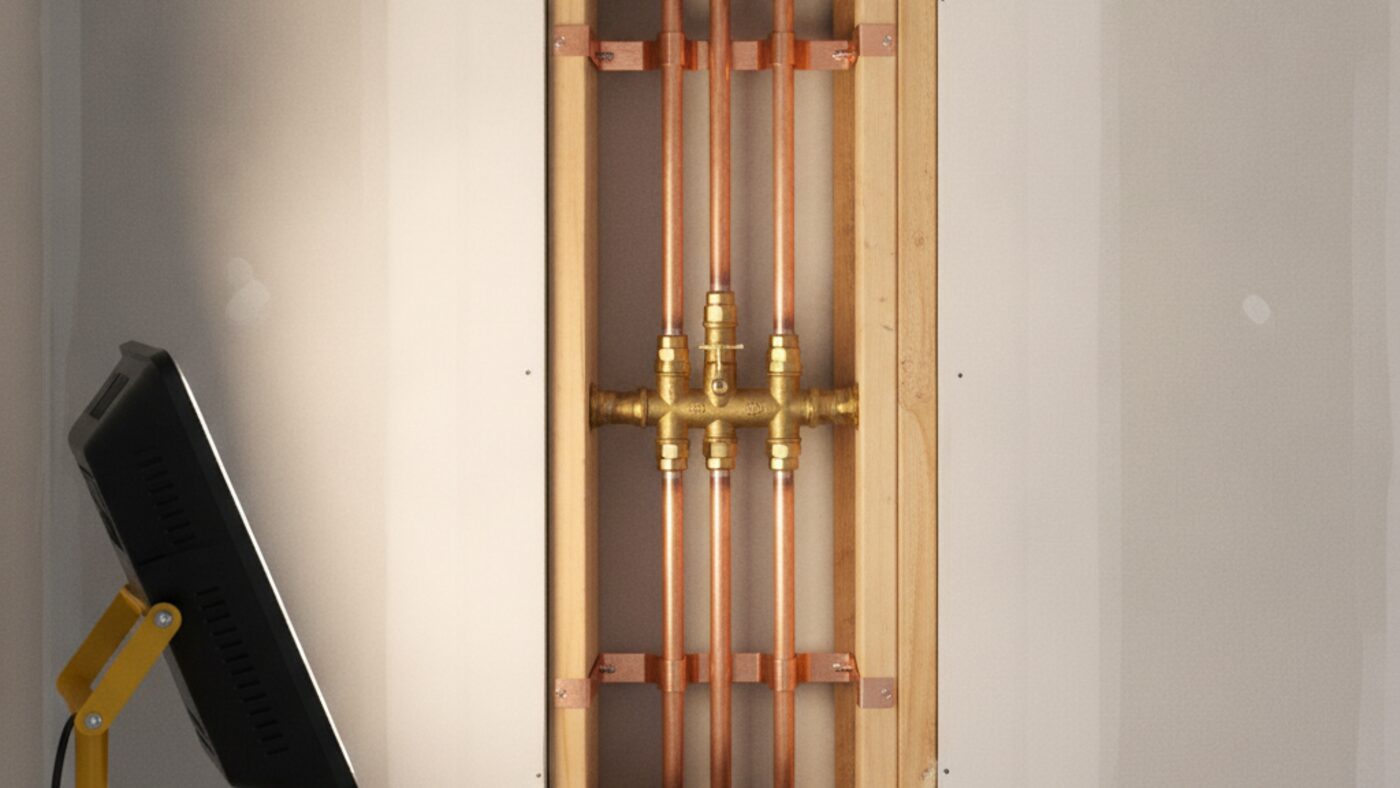
- You are remodeling the bathroom, since the rough-in goes in before tile
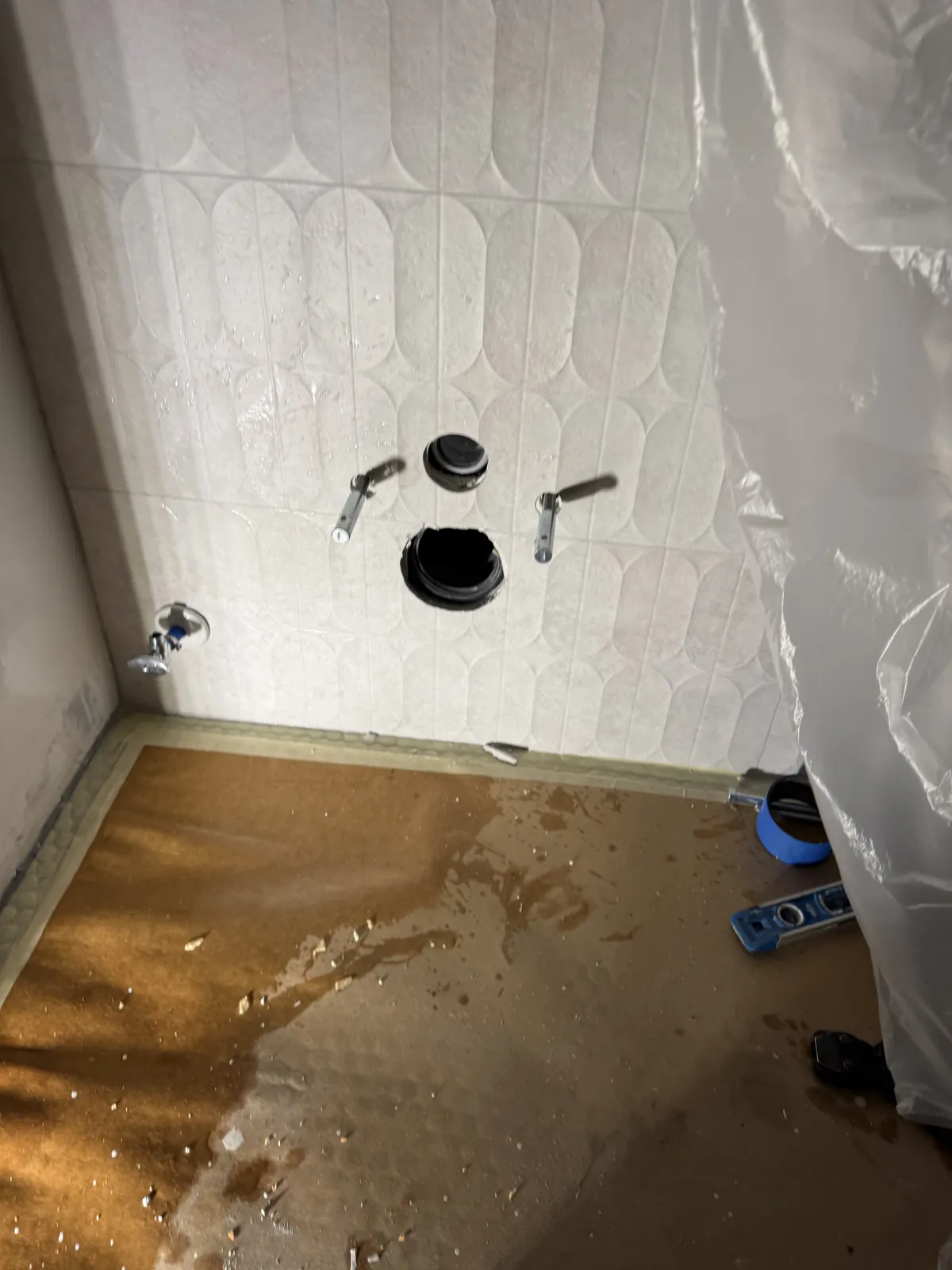
That last point is worth planning around. Changing a valve body means opening the wall, so doing it during a remodel costs a fraction of doing it afterwards. Our advice is to settle the valve choice before tile goes on.
Access Matters
Valves are reached either through an access panel behind the wall, often in an adjoining closet, or by opening the tile face. If your bathroom has an access panel, keep it accessible rather than building shelving in front of it. If it does not, adding one during any future work makes every later repair dramatically cheaper.
Practical Takeaways
Test a nearby sink first to rule the water heater in or out. A shower that will not go past warm usually needs the limit stop adjusted or the cartridge replaced. Temperature swings when another fixture runs mean the pressure-balancing function has failed, and that is a safety issue. Replace valve bodies during remodels, not after.
Talk to a Licensed Professional
OC's Plumbing & Septic handles shower valve repair and installation across Lakeland, Medulla, Auburndale and the surrounding area. Call (863) 393-6473 or use the contact page.
Frequently Asked Questions
The toilet draws cold water, which drops cold pressure at the shower and lets hot dominate, or the reverse when a cold-heavy fixture runs. A working pressure-balancing valve compensates automatically. If yours no longer does, the valve or its cartridge has failed and should be replaced, because that is a scald risk.
Almost certainly the shower valve. Anti-scald valves have a limit stop that restricts how far toward hot the handle can turn, and it can drift or be set too conservatively. A scaled cartridge produces the same result by restricting hot flow. Both are fixable without touching the water heater.
On many valves, yes. The limit stop is usually beneath the handle and adjusts with a screwdriver or by repositioning a plastic collar. Adjust in small increments and test each time. Do not set it high enough to create a scald risk, particularly in a home with children or older adults.
The valve body generally lasts as long as the plumbing. The cartridge inside is the wear part, and in hard water it can need replacing every several years. A valve body only needs replacing if it is corroded, cracked, or a type for which cartridges are no longer made.