
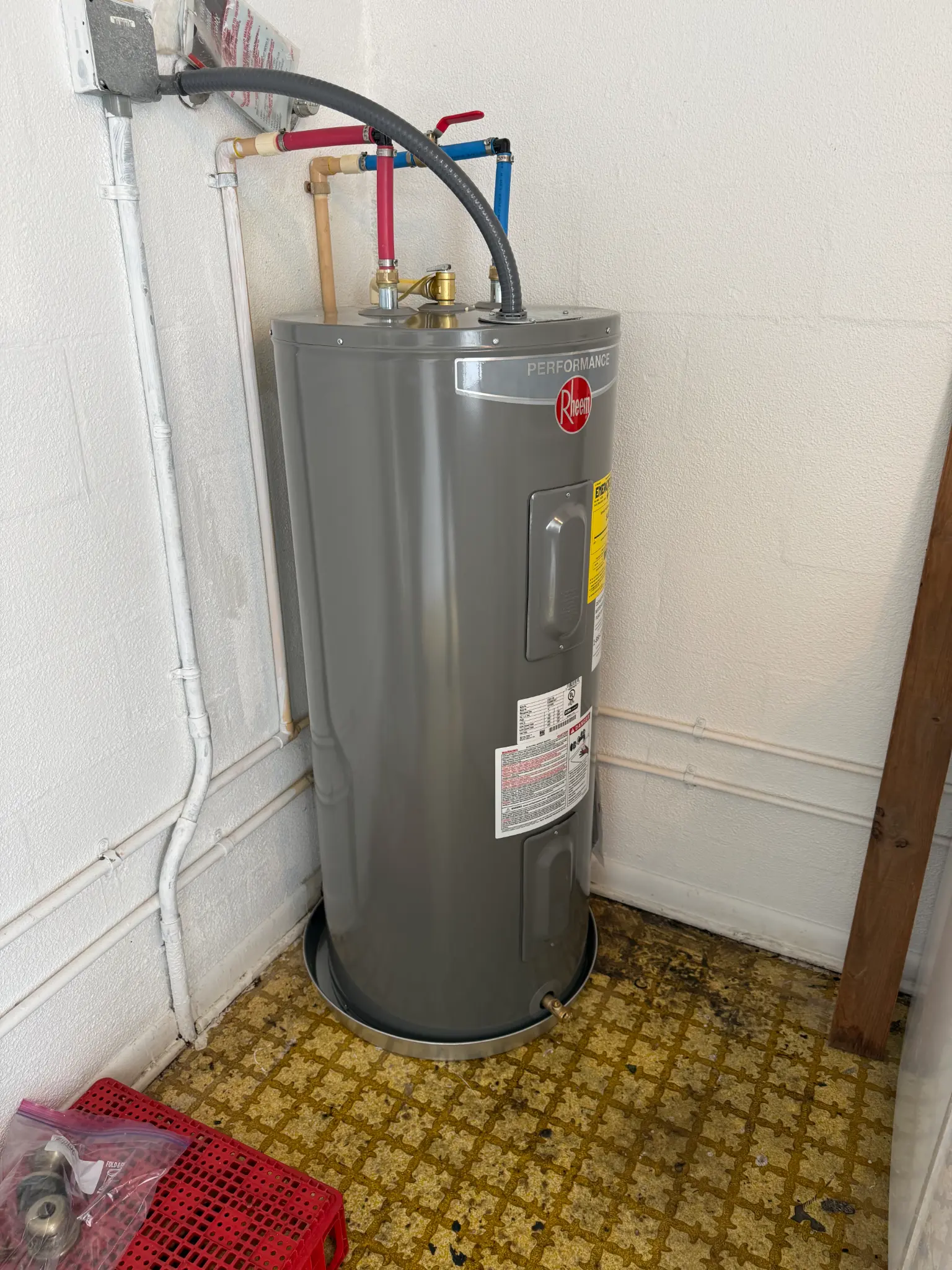
Key Takeaway
Flush a tank water heater once a year, or every six months if your water is hard, which is common across Polk County because the Floridan aquifer carries dissolved minerals that settle in the tank as sediment. Popping or rumbling from the tank, rusty hot water, or hot water that runs out sooner than it used to all point to sediment. If the tank is 8 to 12 years old or older and has never been flushed, or the drain valve sticks or leaks, have a plumber handle it, because disturbing hardened sediment in an old tank can start a leak. Call (863) 393-6473.
Flush a tank water heater once a year, and every six months if your water is hard, which is the case for many homes around Lakeland. If the tank is already popping or rumbling, it is probably overdue, and if it is more than about ten years old and has never been flushed, get a plumber to look at it before you open the drain valve yourself.
That is the short answer. The rest of this post explains why Polk County water makes the schedule matter, how to tell whether sediment is already building, and the one situation where flushing does more harm than good.
Why Water Heaters in Polk County Collect Sediment
Most of Central Florida's water comes from the Floridan aquifer, a limestone formation that dissolves minerals into the water passing through it. Those minerals, mostly calcium and magnesium, are what make water hard. Heat them and they drop out of solution. In a tank water heater, that means they settle on the bottom as sediment and harden into scale.
The University of South Florida's Floripedia entry on water hardness, drawing on U.S. Geological Survey data, lists "the formation of scale in boilers, hot water heaters, pipes and cooking utensils" among the effects of hard water. It also notes that Floridan aquifer hardness varies widely across the state, from under 180 parts per million in much of the centre to as much as 1,900 in other areas.
Hard water in Lakeland and Polk County speeds up that buildup. The result is a layer of mineral sediment sitting between the burner or lower element and the water it is supposed to heat.
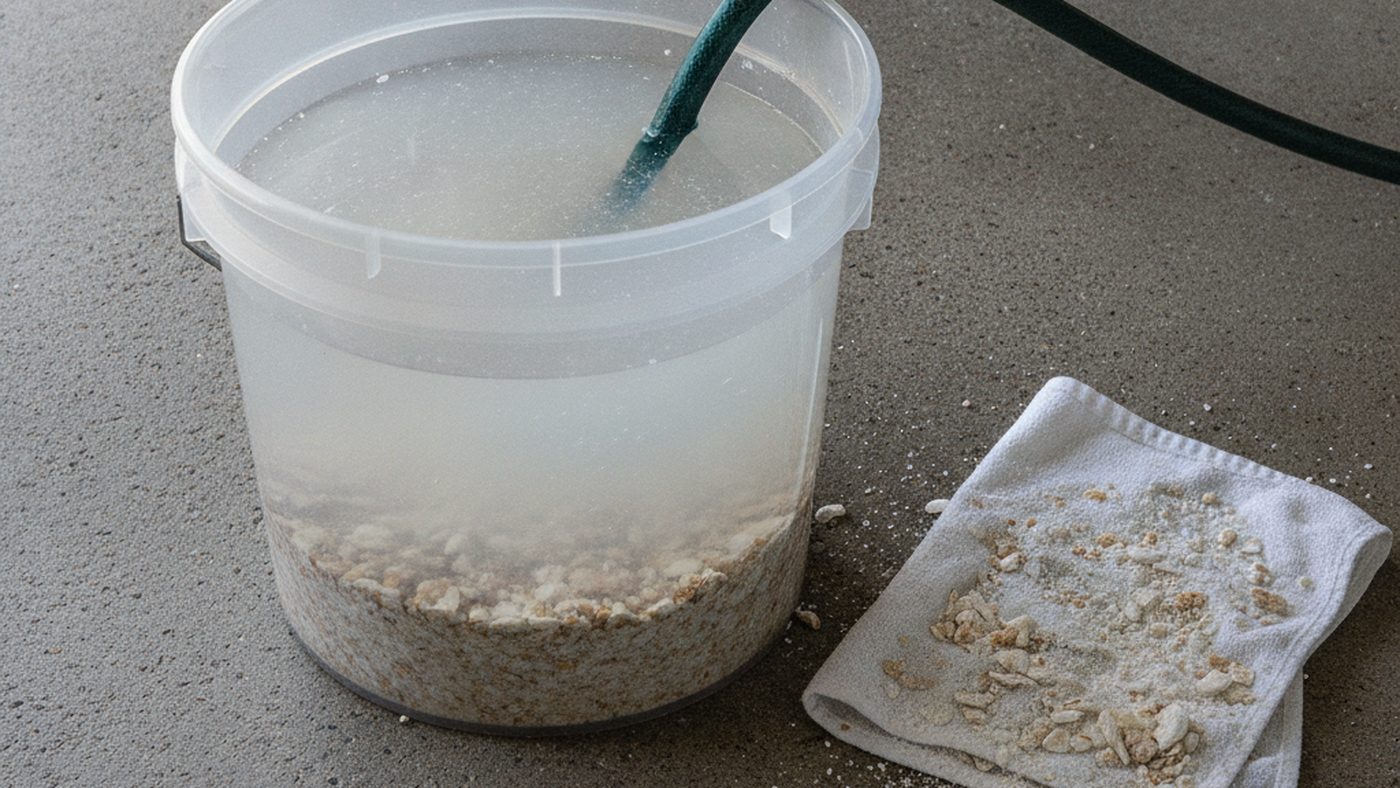
How Often to Flush: Once a Year, or Every Six Months
Water heater manufacturer Rheem puts it plainly in its guide to flushing a water heater: "For most households, it is recommended to flush your water heater once a year," and "If you have hard water, it's recommended to flush your system every 6 months."
For a Lakeland home, a sensible rule is:
- Every six months if you have no water softener, if you see white crust on faucets and showerheads, or if you are on a private well.
- Once a year if your water is softened or you have never had a sediment problem.
- Sooner if the tank starts making noise or the hot water changes colour.
Tankless units are a different job. They need periodic descaling rather than a drain-and-flush.
City Water vs. Private Wells
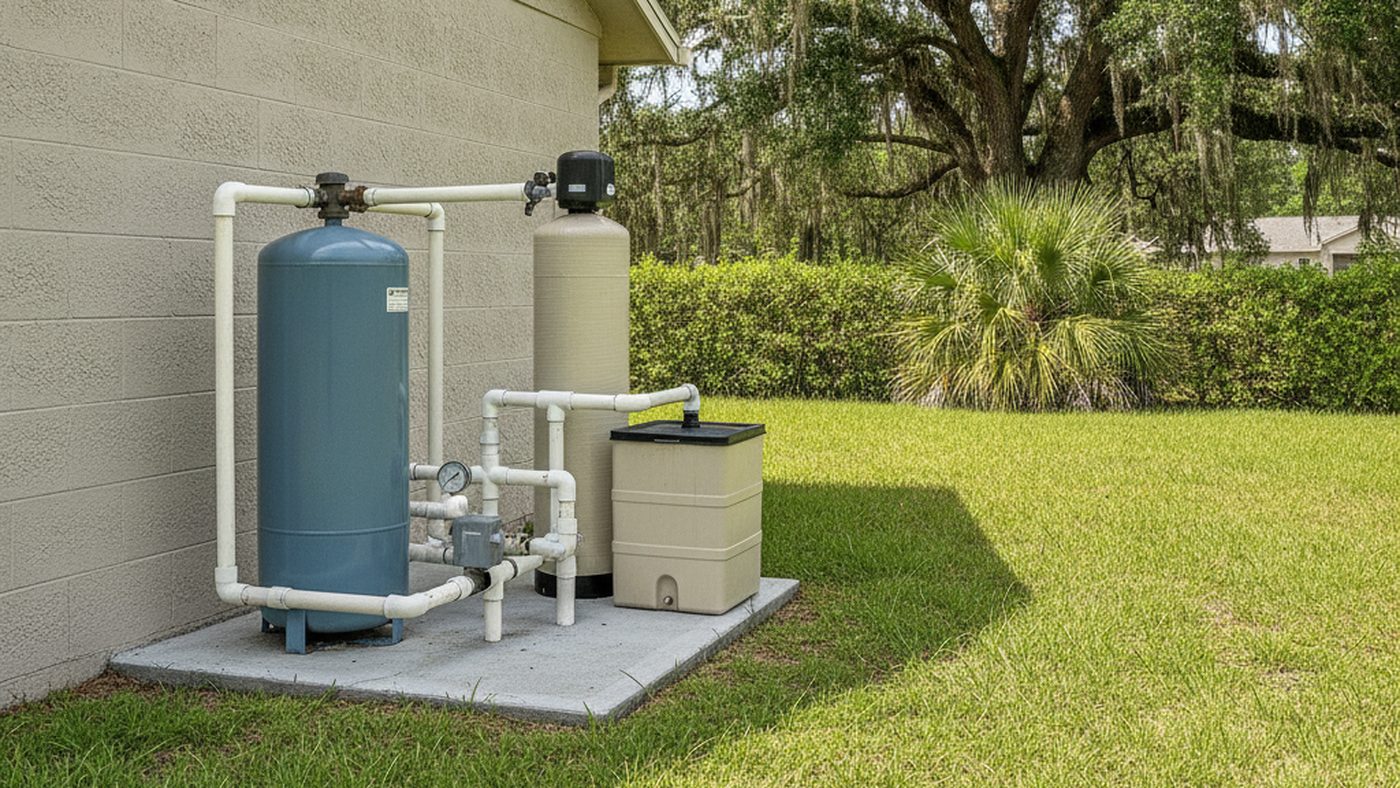
Homes on Lakeland city water get water that has been treated at a municipal plant before it reaches the tap. Many homes in the more rural parts of our service area, including Kathleen and Polk City, are on private wells instead, and well water reaches the water heater exactly as it comes out of the ground unless the homeowner has installed a softener or treatment system.
If you are on a well without a softener, assume your water is hard, stay on the six-month schedule, and expect sediment to build faster than it would on city water.
Signs Sediment Is Already Building
You do not have to wait for the calendar. These are the signs a tank needs attention now:
- Popping, rumbling or crackling from the tank. Water trapped under the sediment layer boils and pushes up through it. This is the most common sign, and the loudest.
- Rusty or discoloured hot water. Discolouration only on the hot side points to the tank, not the pipes.
- Hot water that runs out sooner than it used to. Sediment takes up room that should be holding hot water.
- Temperatures that swing during a single shower.
- A tank that seems to run constantly or a utility bill that has crept up without a change in use.
A small puddle or damp spot under the tank is a different matter. That is a leak rather than sediment, and it needs a plumber the same day.
When Not to Flush It Yourself
Here most flushing guides stop too early. A routine flush on a tank that has been maintained is a simple job. A first-ever flush on an old tank is not.
Rheem's own guidance warns that "older systems or tanks that haven't been flushed in a while may have hardened sediment that's difficult to remove without specialized tools, and attempting to flush these units yourself could lead to leaks or further damage." Among its reasons to call a professional, it lists a unit that is 8 to 12 years old or older, a drain valve that will not open or is already leaking, and uncertainty about handling the gas or electrical side.
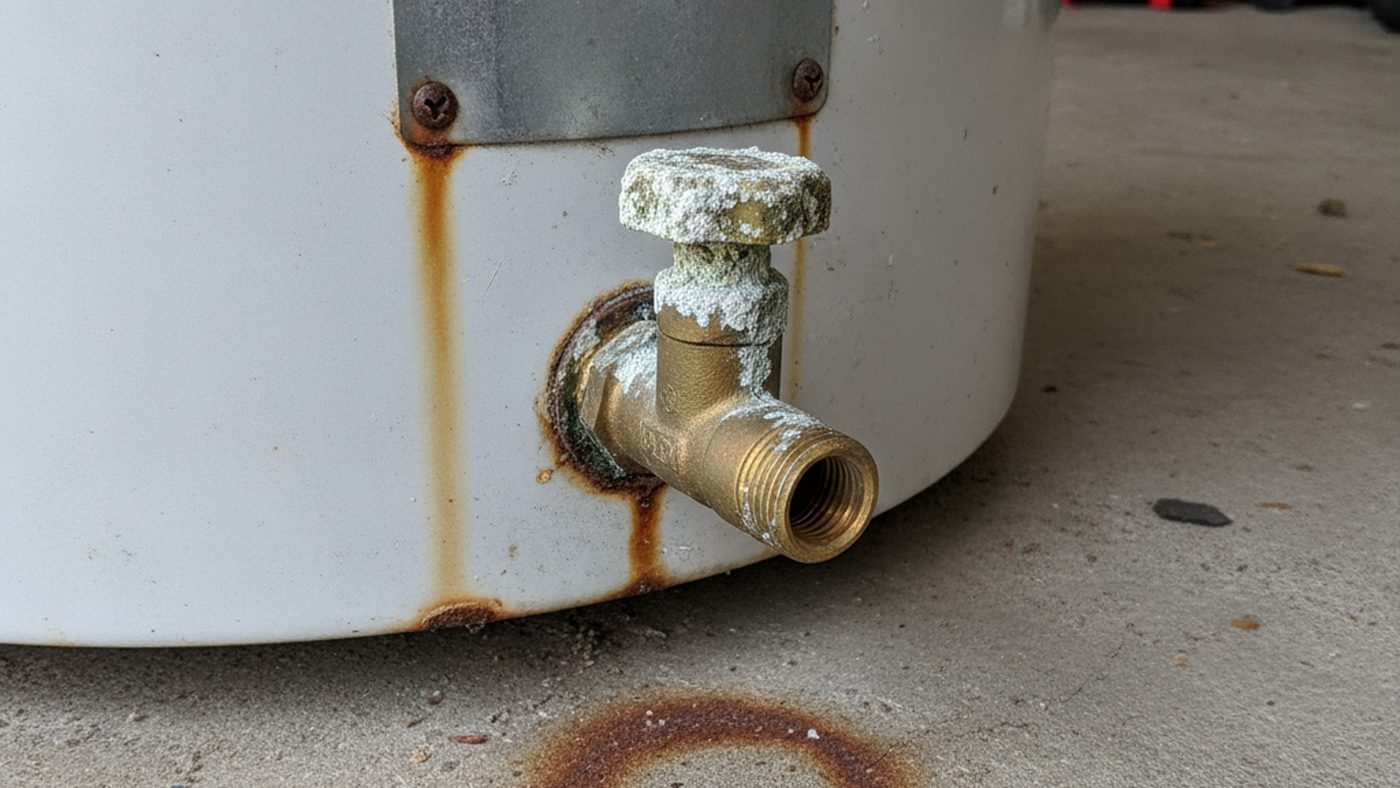
The weak point is usually the drain valve at the base of the tank. It has sat closed for years, and hardened sediment has to pass through it on the way out. A valve that will not open cleanly, or will not close again once it has, turns a maintenance job into a leak.
So before you pick up a garden hose:
- 1Check the age. The manufacture date is usually on the label or encoded in the serial number.
- 2Ask whether it has ever been flushed. If the answer is no and the tank is past eight years, stop there.
- 3Look at the base and the fittings. Rust, crusting or dampness around the drain valve or connections means leave it alone.
If all three checks pass, a routine flush is reasonable. If any of them fail, call a plumber.
Flush, Repair or Replace?
A tank that is under about ten years old with a sediment problem usually just needs a proper flush, and sometimes a thermostat or heating element replaced while the tank is drained. A tank that is leaking from the base, rusted through, or well past ten years is usually a replacement, because the sediment is a symptom of age rather than the whole problem.
We handle water heater repair and replacement for gas and electric tank models across Lakeland and the surrounding Polk County communities. We will tell you honestly whether a flush will help or whether the tank has reached the end of its life.
If your water heater is popping, running out early, or you are not sure when it was last flushed, call (863) 393-6473 and tell us how old it is. That one detail usually tells us which conversation we are about to have.
Frequently Asked Questions
Once a year is the standard recommendation for most homes. If your water is hard, Rheem recommends every six months. Much of Polk County draws its water from the Floridan aquifer, which carries dissolved calcium and magnesium, so a six-month schedule is a sensible default here unless your water is softened.
Minerals settle to the bottom of the tank as sediment. Over time that layer makes the heater work harder to heat the water above it, causes the popping and rumbling sounds many older tanks make, and takes up space that should hold hot water. Eventually it hardens enough that a flush can no longer clear it.
It is risky. Rheem warns that tanks that have gone a long time without flushing may have hardened sediment, and that flushing them yourself could lead to leaks or further damage. If the tank is 8 to 12 years old or older, have a plumber assess it first. At that age, replacement is often the better conversation.
Yes, and possibly more often than a city customer. Private well water reaches the tank exactly as it comes out of the ground unless you have a softener or treatment system, so whatever minerals the aquifer carries end up in your water heater.