
Key Takeaway
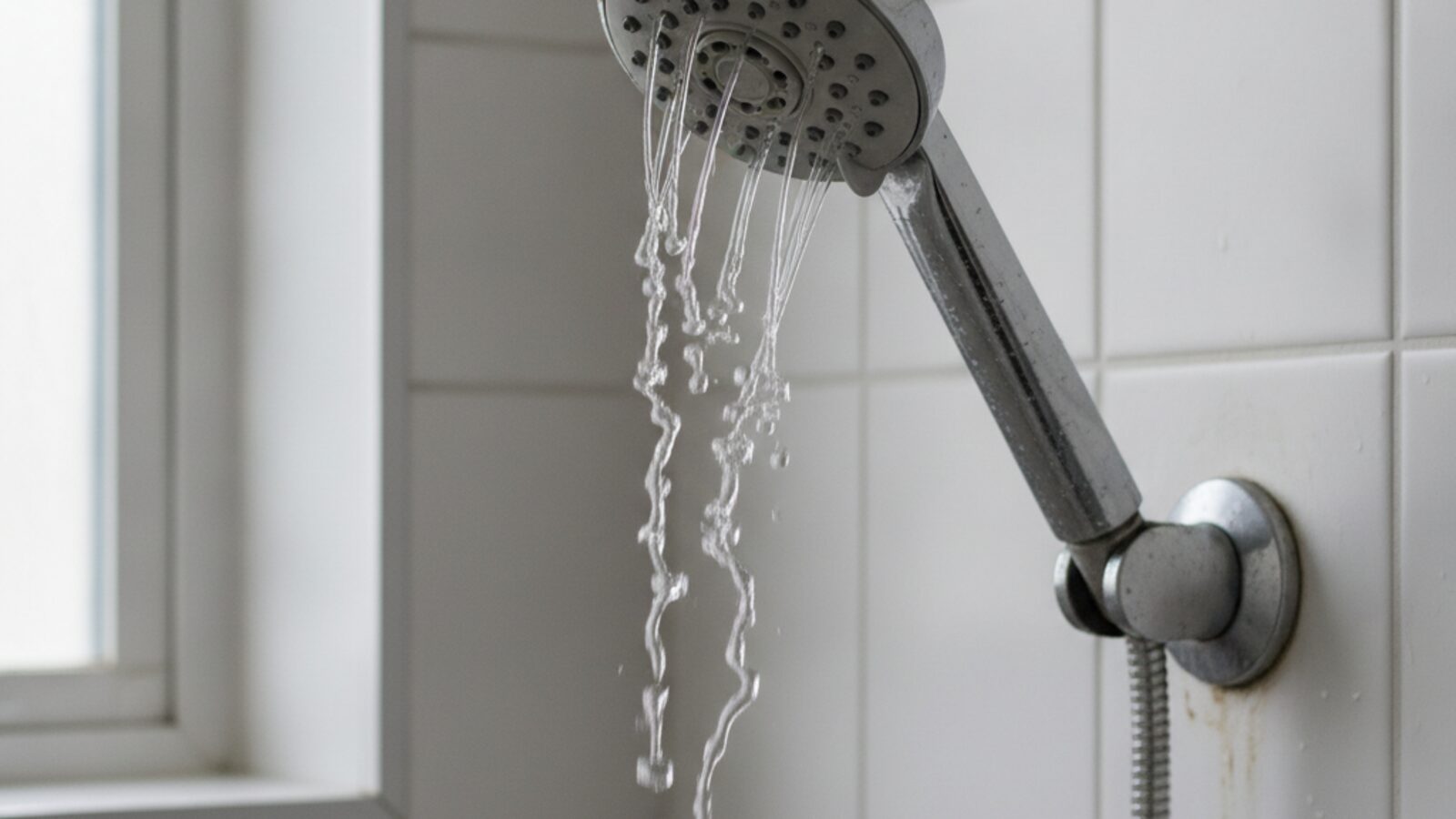
Check every fixture before diagnosing anything. A single slow faucet or shower is almost always mineral scale in the aerator or shower head, and cleaning it takes twenty minutes. Weak hot water everywhere points at sediment in the water heater. Weak pressure at every fixture, hot and cold, points at a pressure regulator, a partly closed valve, corroded piping or a hidden leak. Turn everything off and watch the meter: if it moves, water is going somewhere. Call (863) 393-6473.
The first question with low water pressure is not what is wrong but where. A single slow fixture and a whole house with weak pressure are unrelated problems with completely different costs, and telling them apart takes five minutes.
Do that before calling anyone. It will often save the call entirely.
Run the Test
Turn on the cold water at each fixture in turn: kitchen sink, every bathroom sink, every shower, the outside hose bibb. Note which are weak, and whether it affects hot, cold or both.
Three patterns emerge.
One Fixture Only
In Polk County this is nearly always mineral scale, because water drawn from the Floridan aquifer carries dissolved calcium and magnesium that deposit on everything they pass through.
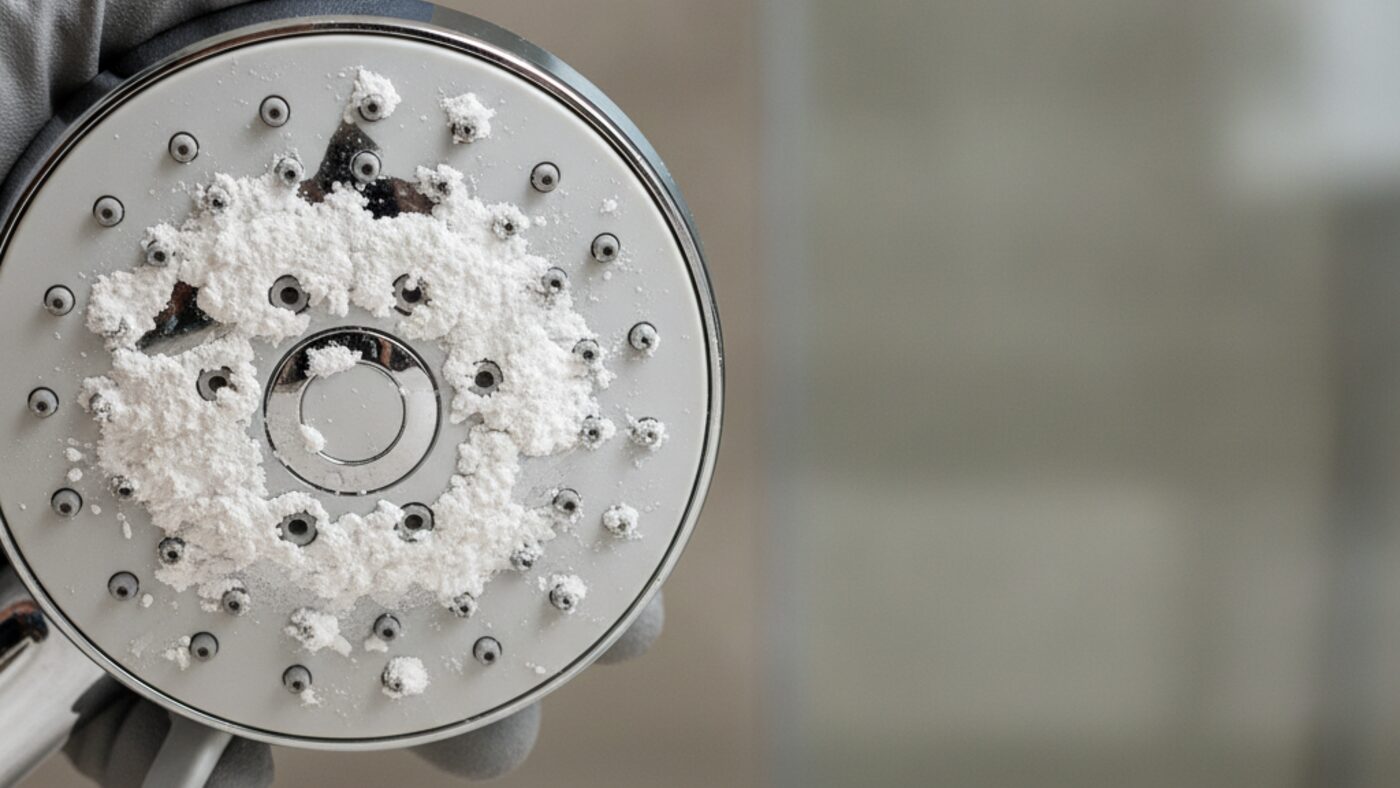
Aerator. Unscrew the screen from the end of the faucet. You will usually find it partly blocked with white deposit. Soak in vinegar, rinse, reinstall. This resolves a large share of slow-kitchen-faucet complaints.
Shower head. Same cause, same fix. Scale blocks nozzles unevenly, which is why the spray goes crooked before it goes weak.
Shutoff valve. The small valve under a sink or behind a toilet can seize partly open, especially if it has not been turned in years.
Cartridge. A single fixture weak on hot only, or weak after work elsewhere in the house, may have a scaled or worn cartridge. That is a faucet or shower valve repair.
Hot Water Only, Everywhere
Normal cold and weak hot across the house points at the water heater. Sediment is the usual cause, and it arrives with the other symptoms covered in our post on how often to flush a water heater: popping or rumbling from the tank, hot water running out sooner than it used to, rusty hot water.
A scaled heater and a scaled house tend to show up together, because the cause is identical.
Every Fixture, Hot and Cold
This is a supply-side problem. In rough order of likelihood:
A partly closed valve. Rule this out first because it costs nothing. A main shutoff or meter valve left partly closed after previous work is a common finding.
Pressure regulator. Where one is fitted, it wears out, typically after eight to fifteen years, and can fail stuck low. A plumber tests with a gauge and replaces it.
Corroded galvanized piping. In older homes, rust builds inward and narrows the bore throughout. The decline is gradual over years and usually comes with discolored water on first draw. That is a repipe conversation rather than a repair, and our post on when a Lakeland home needs a repipe covers how to tell.
A hidden leak. Turn off every fixture and appliance, then watch the water meter. If it is still moving, water is escaping somewhere. Under a slab, that is the situation described in our post on signs of a slab leak.
Utility-side work. Occasionally upstream. If neighbors have the same thing, check before paying anyone to investigate your house.
Measure It
A pressure gauge that screws onto a hose bibb costs very little and turns guesswork into a number. Test in the evening and again in the morning, since supply pressure varies with demand through the day.
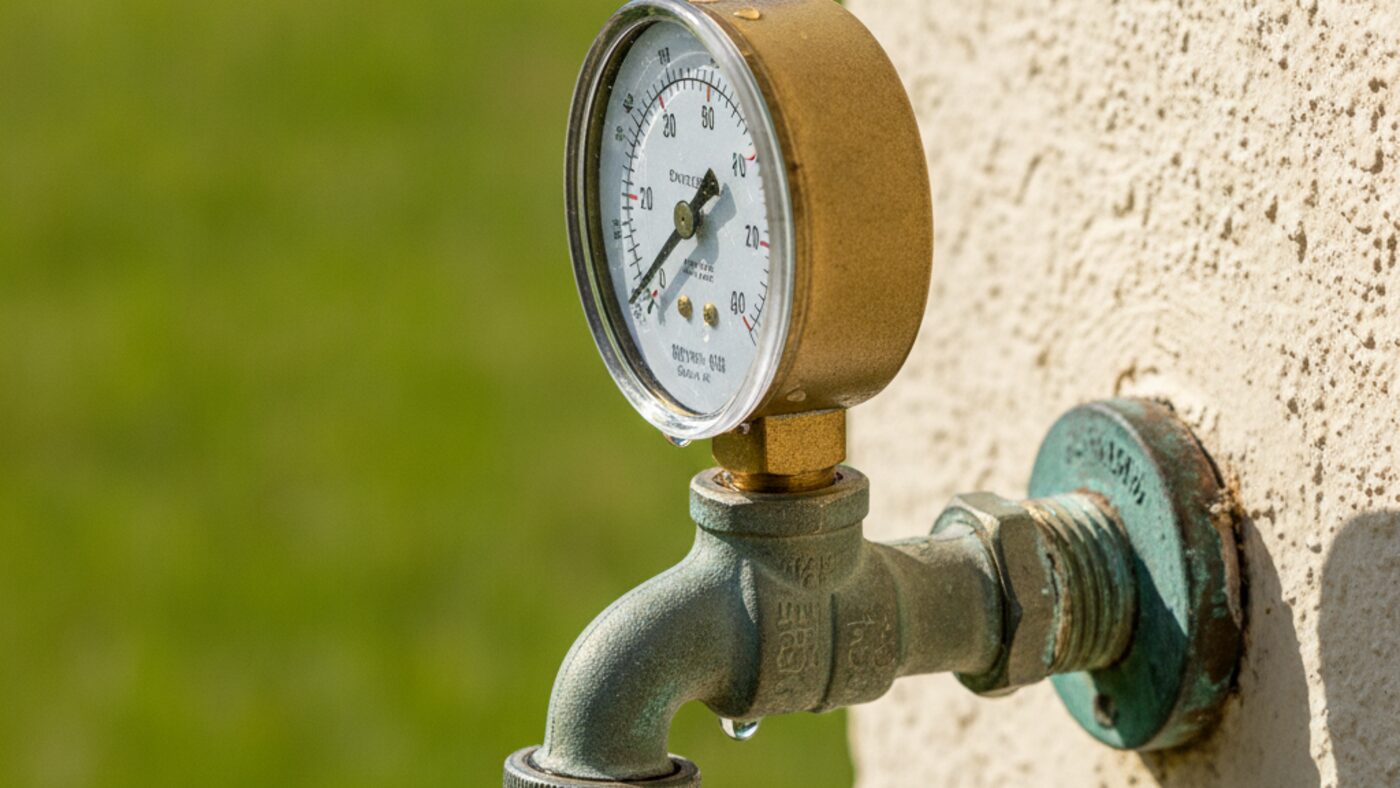
Under 40 psi is low. Over 80 psi is high enough to be damaging supply connectors, fixtures and appliances continuously, which is a problem worth fixing even though nothing feels wrong.
When to Call
Call when cleaning the aerators has changed nothing and the whole house is affected, when pressure dropped suddenly rather than gradually, when the meter moves with everything off, or when discolored water accompanies the pressure loss.
A sudden loss across the house, especially with the sound of running water, is worth treating as urgent rather than monitoring.
Practical Takeaways
Locate before you diagnose. Clean the aerator and shower head first, because here that is the answer more often than not. Hot-only means the heater. Whole-house means a valve, a regulator, the piping or a leak. A cheap gauge settles it.
Talk to a Licensed Professional
OC's Plumbing & Septic serves Lakeland, Mulberry, Bartow and the surrounding area. Call (863) 393-6473 or use the contact page.
Frequently Asked Questions
Almost always mineral scale. Polk County water carries dissolved minerals from the Floridan aquifer, and those deposits block the aerator screen on a faucet or the nozzles on a shower head. Unscrew it, soak it in vinegar, rinse and reinstall.
Residential pressure typically sits between 40 and 80 psi. Below 40 is genuinely low. Above 80 damages fixtures, appliances and supply connectors continuously, and is worth correcting even when nothing has failed yet. A gauge on a hose bibb answers it in two minutes.
Yes. A significant leak in a supply line under the slab diverts water continuously, which lowers pressure at the fixtures and raises the water bill. Our post on signs of a slab leak covers the other indicators.
A sudden drop across the whole house is more urgent than a gradual one. It can mean a failed pressure regulator, a valve that has closed or failed, or a significant leak. If you can hear running water with everything off, treat it as a leak and shut off the main.
