Key Takeaway
One leak is an event. Two or three in different parts of the house within a year or two usually means the supply piping itself has reached the end of its life. Pipe material matters more than house age: polybutylene, installed widely from the late 1970s into the 1990s, has a documented failure history and is worth identifying now rather than during a sale. Galvanized steel corrodes inward and drops pressure across the whole house. A repipe is planned; a failure is not. Call (863) 393-6473.
One leak is an event. Two or three, in different parts of the house, inside a year or two, is usually the supply piping telling you it has reached the end of its service life. At that point each additional repair is money spent on a system that will produce the next leak somewhere else.
House age is a rough guide. What actually decides the answer is the material running through your walls.
What Is Likely in a Lakeland Home
Galvanized steel. Found in older construction. It corrodes from the inside, rust building inward until the bore narrows. The result is falling pressure throughout the house and discolored water on first draw. Because the corrosion is happening everywhere at once, replacing one section rarely helps for long.
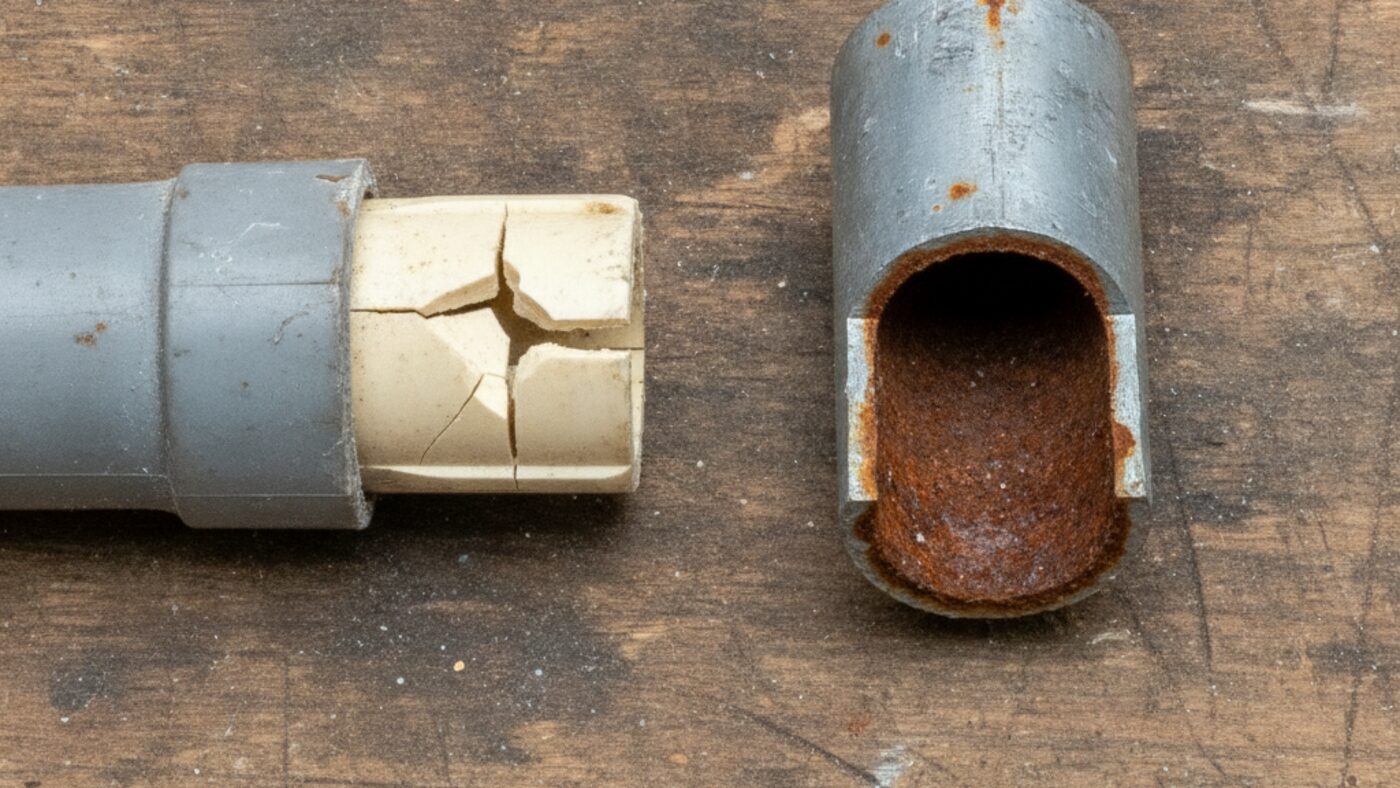
Polybutylene. Installed widely from the late 1970s into the mid-1990s, which covers a lot of Central Florida housing. Usually gray, sometimes blue or black, flexible, frequently marked PB2110. It has a documented history of failing at fittings and of degrading internally on contact with chlorinated water. This is the one worth identifying with certainty.
Copper. Generally durable, but it can develop pinhole leaks, most often in hot lines and horizontal runs. One pinhole is a repair. A pattern of them is not.
CPVC and PEX. The modern materials, and what most repipes use today.
The Signals
- Repeat leaks in different locations within a year or two
- Discolored or rusty water on first draw in the morning
- Pressure falling across the whole house, not at one fixture
- Visible corrosion on exposed pipe at the water heater or under sinks
- Polybutylene identified anywhere in the system
- Multiple pinhole leaks in copper

Poor flow at a single fixture is usually a fixture problem. In this area, mineral scale from the Floridan aquifer blocks aerators and shower heads routinely, and cleaning them resolves it.
Why Repairs Stop Adding Up
Each repair is individually cheap. Each one also means opening a wall or ceiling, then patching, texturing and painting. Three or four of those, plus whatever water damage arrived with the leak that was not found quickly, often exceeds what a planned repipe would have cost.
The other cost is timing. A repipe happens on a date you choose, with the water off for planned hours. A failure happens at 3 a.m., or while the house is empty for a week.
The Slab Question
Many Lakeland homes are on slab foundations with supply lines running through or beneath the concrete. A leak there behaves differently, and our post on signs of a slab leak covers how it shows itself: a warm spot on the floor, a water bill that jumped, the sound of running water with everything off.
A repipe is frequently the permanent answer to a recurring slab leak, because rerouting lines overhead removes them from the concrete entirely. Chasing successive slab leaks in aging pipe tends to be expensive and temporary. Slab leak repair and whole-home repiping are often part of the same conversation.
What the Work Involves
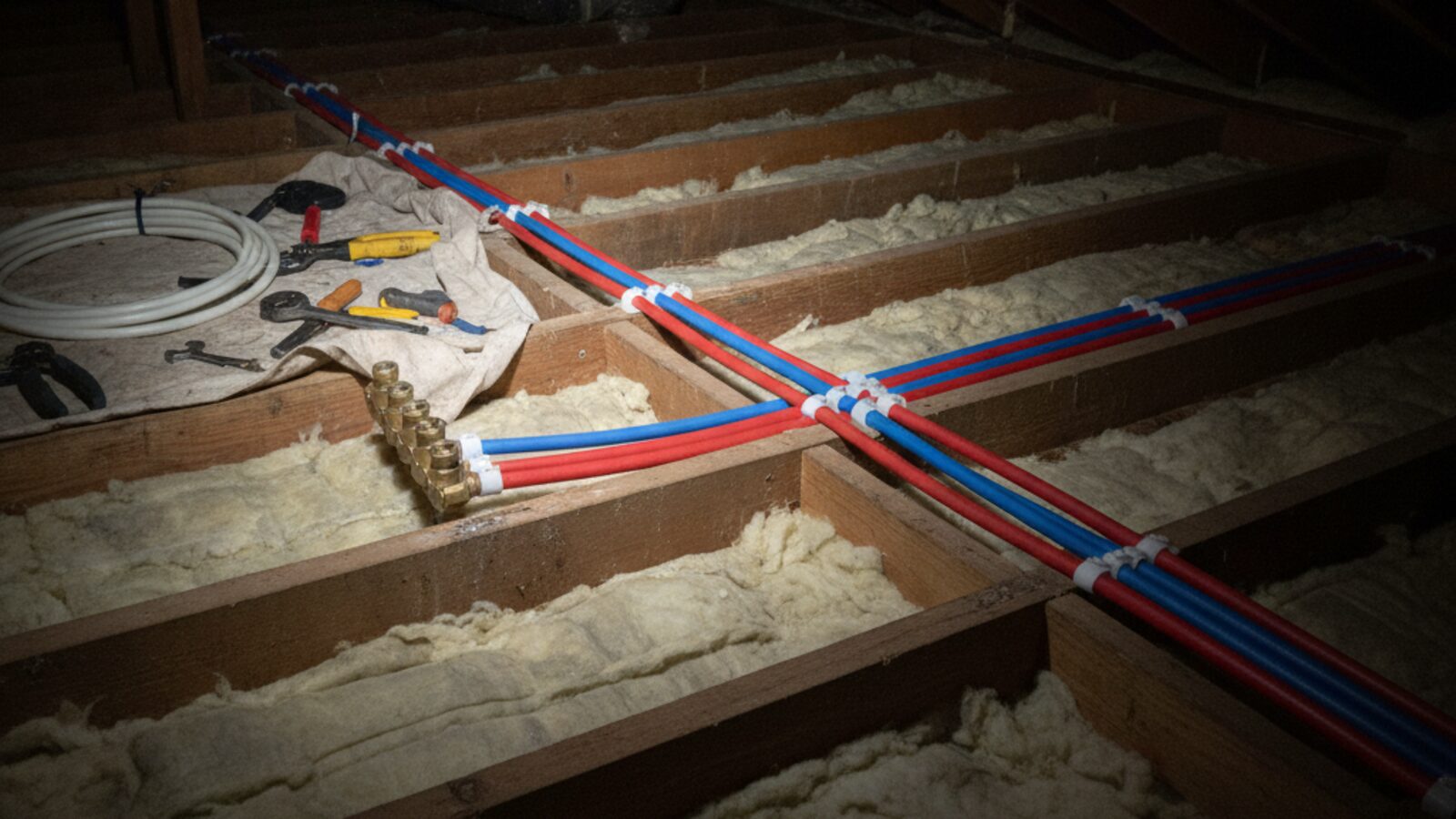
New supply lines are run to every fixture, generally through walls and attic space rather than the slab where practical. Drywall is opened at access points, the system is pressure-tested and inspected, then openings are closed and finished.
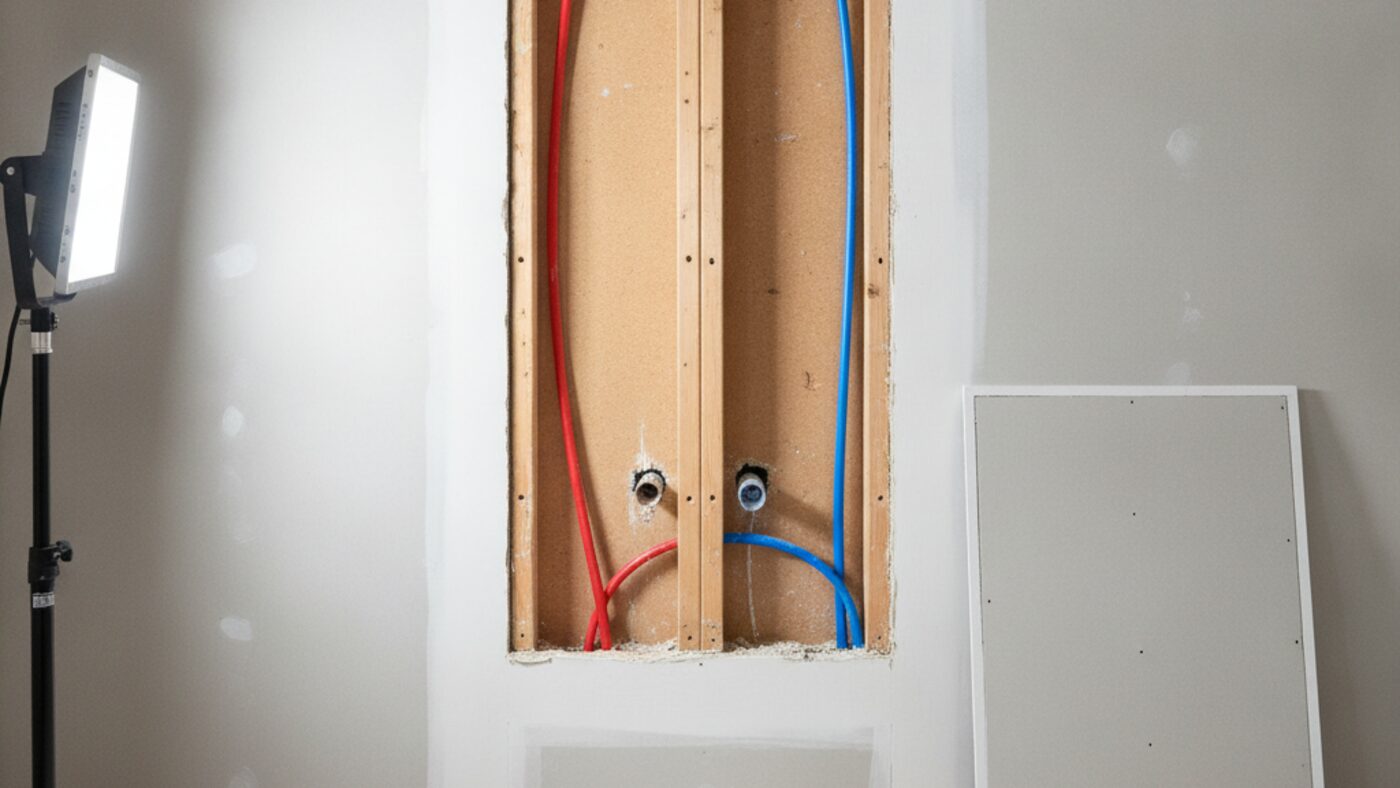
Ask any contractor three specific things: which material and why, whether drywall repair and finishing are included or excluded from the price, and what the warranty covers for materials and labor separately. Drywall finishing is where quotes most often diverge.
Hard Water Shortens the Clock
Polk County water carries dissolved minerals from the Floridan aquifer, and scale narrows pipe and wears fixtures over time. It is the same process described in our post on flushing a water heater. Addressing it protects a new system, and the time to consider it is during the repipe rather than after.
Practical Takeaways
Identify the material before deciding anything. Find out whether you have polybutylene now, not during a sale. Treat repeat leaks in different rooms as a system message. Get the scope in writing, especially drywall finishing.
Talk to a Licensed Professional
OC's Plumbing & Septic handles whole-home repiping across Lakeland, Highland City, Medulla and the surrounding area. Call (863) 393-6473 or use the contact page.
Frequently Asked Questions
Look at exposed pipe in the garage, under sinks, or at the water heater. Galvanized steel is dull gray metal and magnetic. Copper is obvious. Polybutylene is flexible plastic, usually gray, sometimes blue or black, and often stamped PB2110. CPVC is rigid cream or tan plastic. A plumber can confirm in a few minutes.
It has a well-documented history of failing at fittings and degrading internally where it contacts chlorinated water. Many insurers treat its presence as a material fact about a property. If your home has it, identifying that now gives you the option of planning a replacement rather than reacting to a failure.
For most single-family homes it is a matter of days rather than weeks, and water is usually restored at the end of each working day. The timeline depends on the size of the house, the number of fixtures, and whether lines are routed overhead or through the slab.
Yes. Repiping requires a permit and inspection. A licensed plumber handles that, and it is worth confirming it is being done, because unpermitted plumbing work surfaces later when the house is sold.