
Key Takeaway
For a typical household a 1/2 HP garbage disposal is enough. If you cook daily, have a larger family or want fewer jams and quieter running, choose 3/4 HP or 1 HP. Before buying, check the space under the sink, the electrical supply, the dishwasher connection, and whether the home is on septic. Call (863) 393-6473 for installation.
Most households only need a 1/2 HP garbage disposal. If you cook most days, have a larger family, or want a unit that jams less and runs quieter, step up to 3/4 HP or 1 HP. The smallest 1/3 HP units suit light use, such as a rental, a guest kitchen or a one-person household.
Horsepower is the headline number, but it is not the only thing that decides whether a new disposal works well in your kitchen. Here is how to choose, and what to check under the sink first.
Garbage Disposal Sizes at a Glance
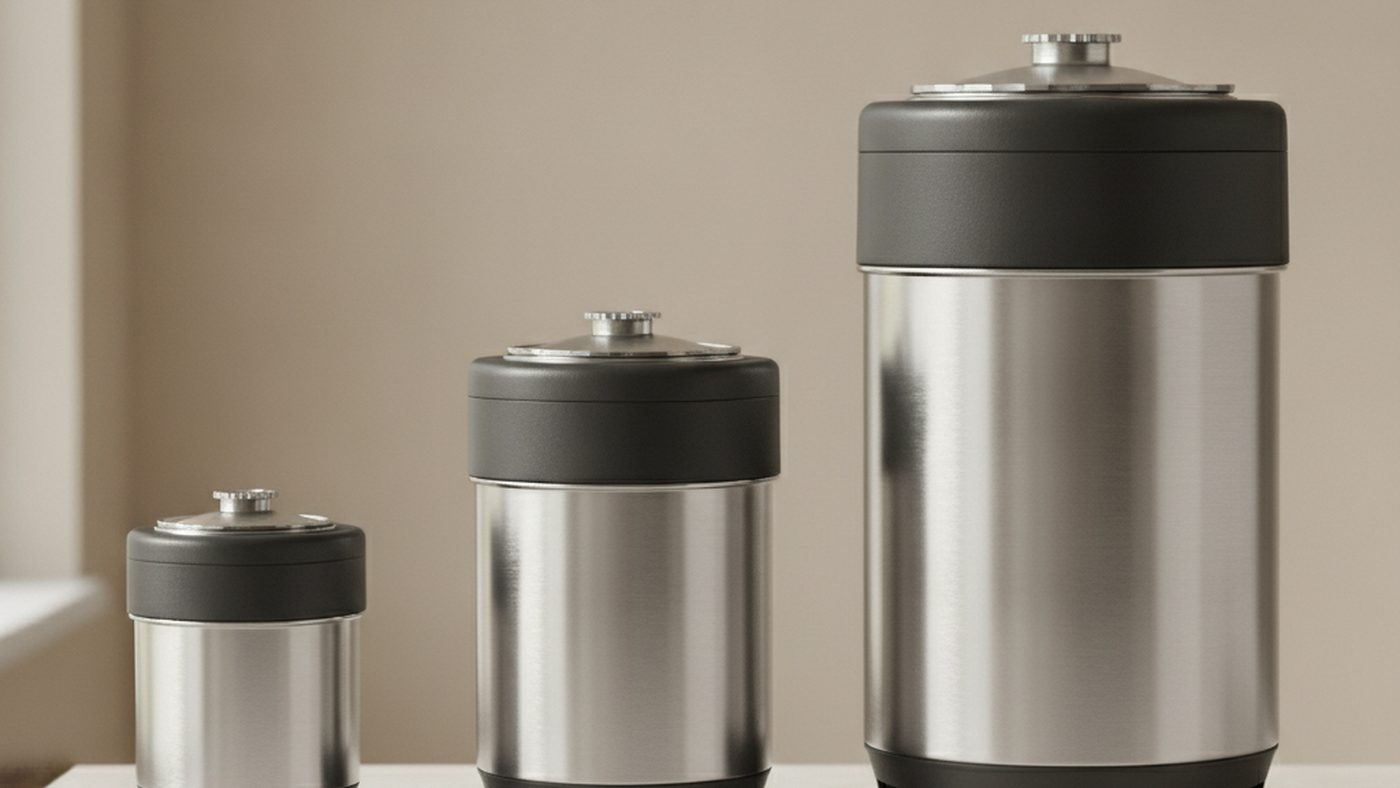
Household disposals are sold in four common motor sizes:
- 1/3 HP. Light use: one or two people, few cooked meals, mostly soft scraps.
- 1/2 HP. The standard choice for a typical household and everyday food scraps.
- 3/4 HP. Families who cook daily, or anyone tired of jams. More grinding power and usually quieter.
- 1 HP. Heavy use, large households and busy kitchens. The most power, the most insulation and the largest body.
Horsepower Is Only Part of the Choice
Two disposals with the same horsepower can perform differently. Manufacturers also compete on how many stages the food passes through and how well the unit is insulated for sound. InSinkErator's own garbage disposal comparison chart, for example, lists its entry Badger models with a "1‑Stage Grind", its Power series with "2‑Stage MultiGrind® Technology", and its Evolution series with three- or four-stage grinding.
Warranty is a useful clue to build quality, too. On that same chart, coverage runs from a 2-year warranty on the most basic model up to 9 or 10 years on the top models. A longer warranty usually comes with a heavier-duty motor.
If you are choosing between two sizes, the larger one generally jams less. The trade-off is price and physical size.
Check the Space Under Your Sink
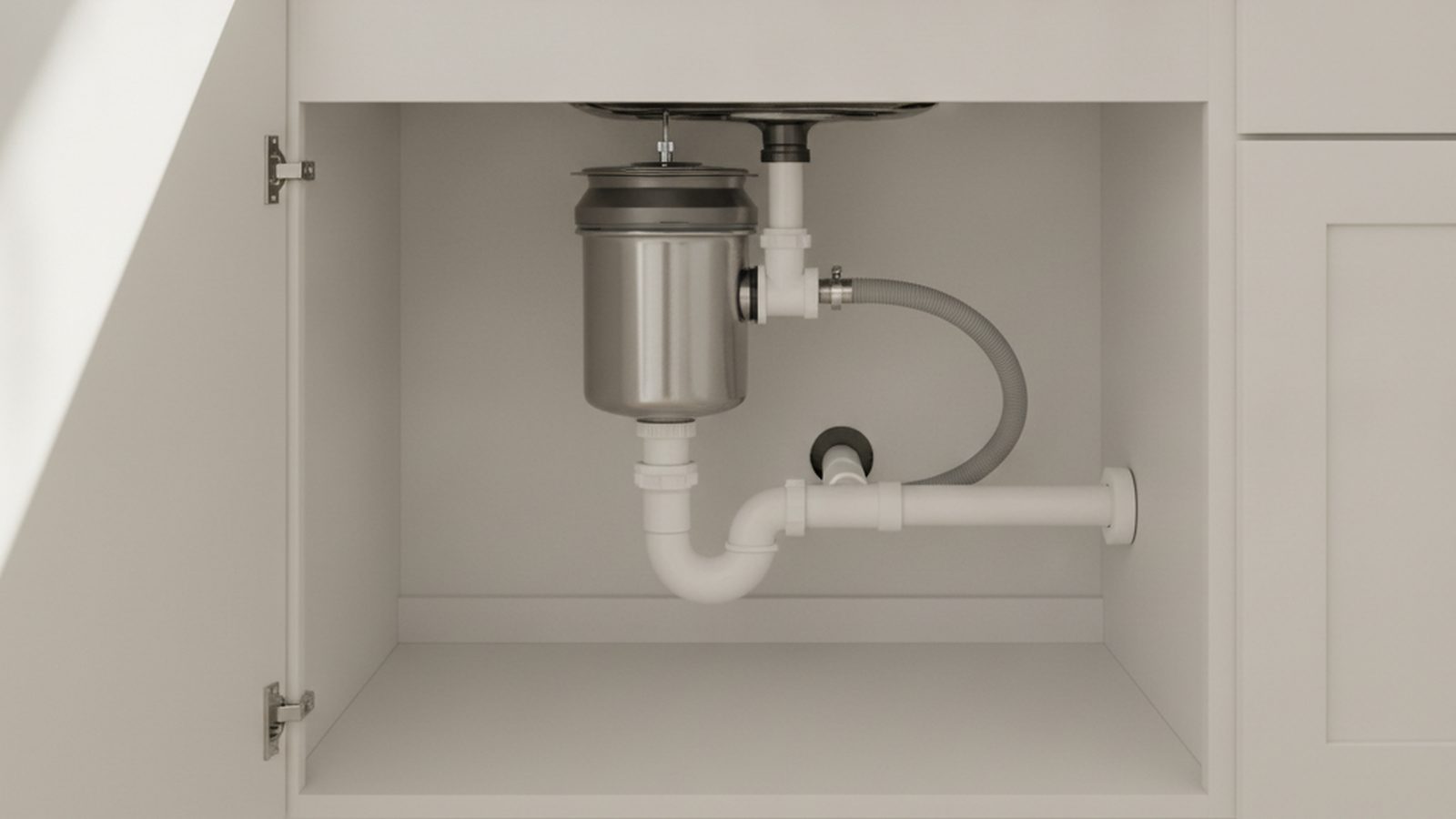
Bigger motors mean bigger units. Before you buy, look under the sink for:
- Height clearance between the sink drain and the cabinet floor. Deep single-bowl and farmhouse sinks leave less room.
- Anything else in the cabinet, such as a water filter, a reverse osmosis system or a pull-out bin.
- The drain trap. A taller disposal can sit lower than the wall drain, and the trap needs to fit with proper slope.
Power and Dishwasher Connections
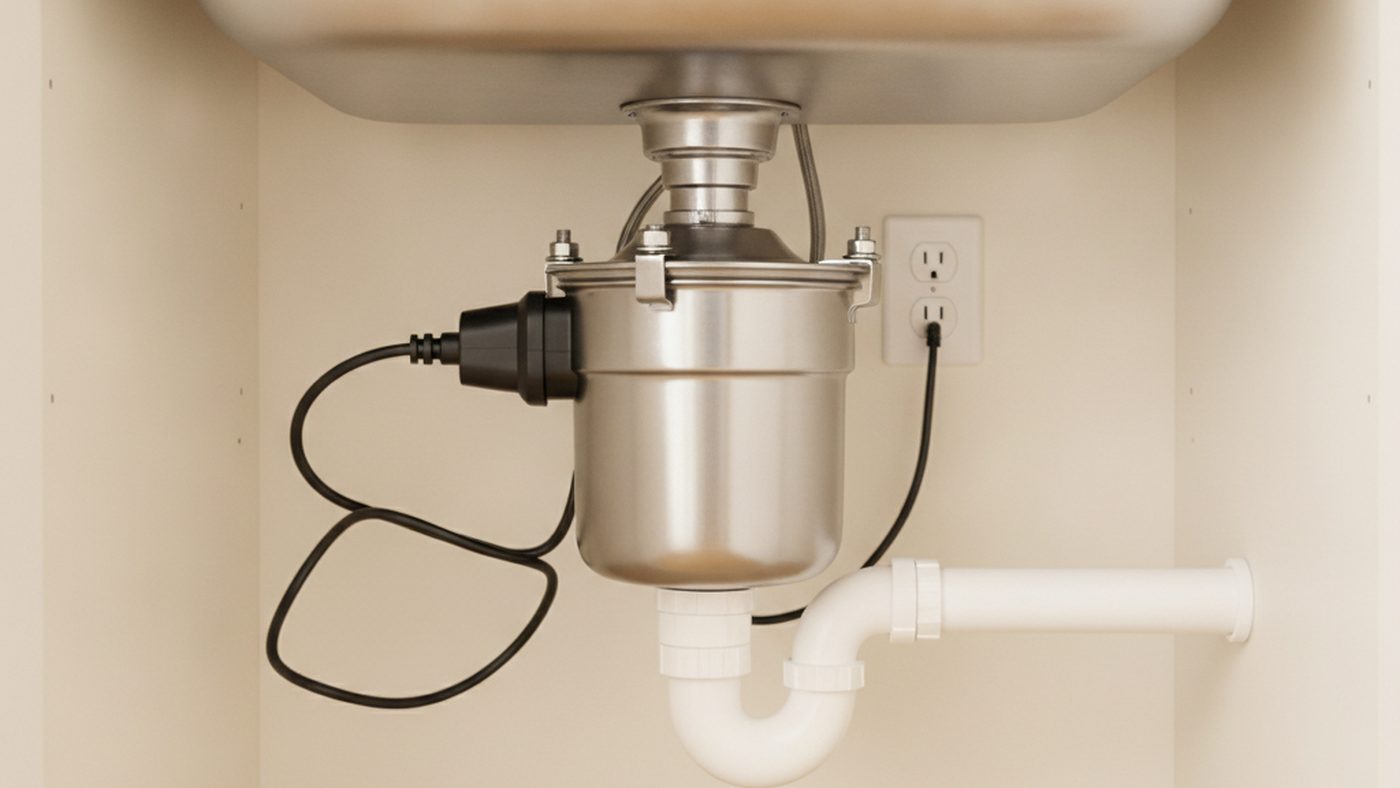
A garbage disposal needs an electrical supply under the sink, usually an outlet controlled by a wall switch, or a hardwired connection. If you have never had a disposal, that supply may need adding before installation.
If your dishwasher drains through the disposal, the new unit's dishwasher inlet has a knockout plug that must be removed when the hose is connected. Forgetting it is a common reason a dishwasher stops draining right after a new disposal goes in.
On Septic in Polk County? Size Matters Less Than Use
Plenty of homes around Lakeland, Kathleen, Polk City and the rest of rural Polk County are on septic rather than city sewer. For those homes, horsepower is not the main concern. What matters is how much food waste ends up in the tank. Some manufacturers make septic-specific models (InSinkErator's chart includes an "Evolution Septic Guard"), but no disposal makes it fine to put grease or large amounts of scraps down the sink.
Our post on using a garbage disposal with a septic system covers what to put down it and how it affects pumping.
Replace or Repair?
If your current disposal hums without spinning, leaks from the bottom, or trips its reset button again and again, check our guide to a garbage disposal humming but not working first. A jam is often a quick fix. A leak from the body of the unit usually means it is time for a new one, and garbage disposal repair can confirm which.
Get the Right Size Installed
OC's Plumbing & Septic provides garbage disposal installation in Lakeland and across Polk County, from 1/3 HP to 1 HP. We check the fit under your sink, connect the dishwasher and drain trap, confirm the electrical connection, and leak-test before we leave. On septic, we will recommend a unit that suits your system. Call (863) 393-6473.
Frequently Asked Questions
For most households, yes. A 1/2 HP unit handles everyday food scraps for a small or average family. If you cook most days, have a large household, or often grind tougher scraps, a 3/4 HP or 1 HP model will jam less and cope better.
Not always. Higher horsepower units grind better and are usually quieter, but they are also physically larger and cost more. Make sure there is room under the sink, especially with a deep sink or a water filter, before choosing the biggest model.
Usually, yes. Most household disposals use a standard sink mounting, but a larger unit may need the drain trap or dishwasher connection adjusted to fit. A plumber checks the fit and the electrical supply during installation.
On septic, horsepower matters less than how much food waste goes down the drain. Some manufacturers make septic-specific models. Whatever you choose, keep grease and heavy food waste out of the sink, and keep up with septic pumping.
