Key Takeaway
A collapsed sewer line causes backups in several drains that return soon after clearing, sewage odors and sunken or unusually green strips in the yard. Snaking or jetting cannot fix it, because the pipe itself has failed. A camera inspection confirms and locates the collapse, and the repair replaces the broken section, or the whole line if it is failing end to end, on properly compacted bedding. Call (863) 393-6473.
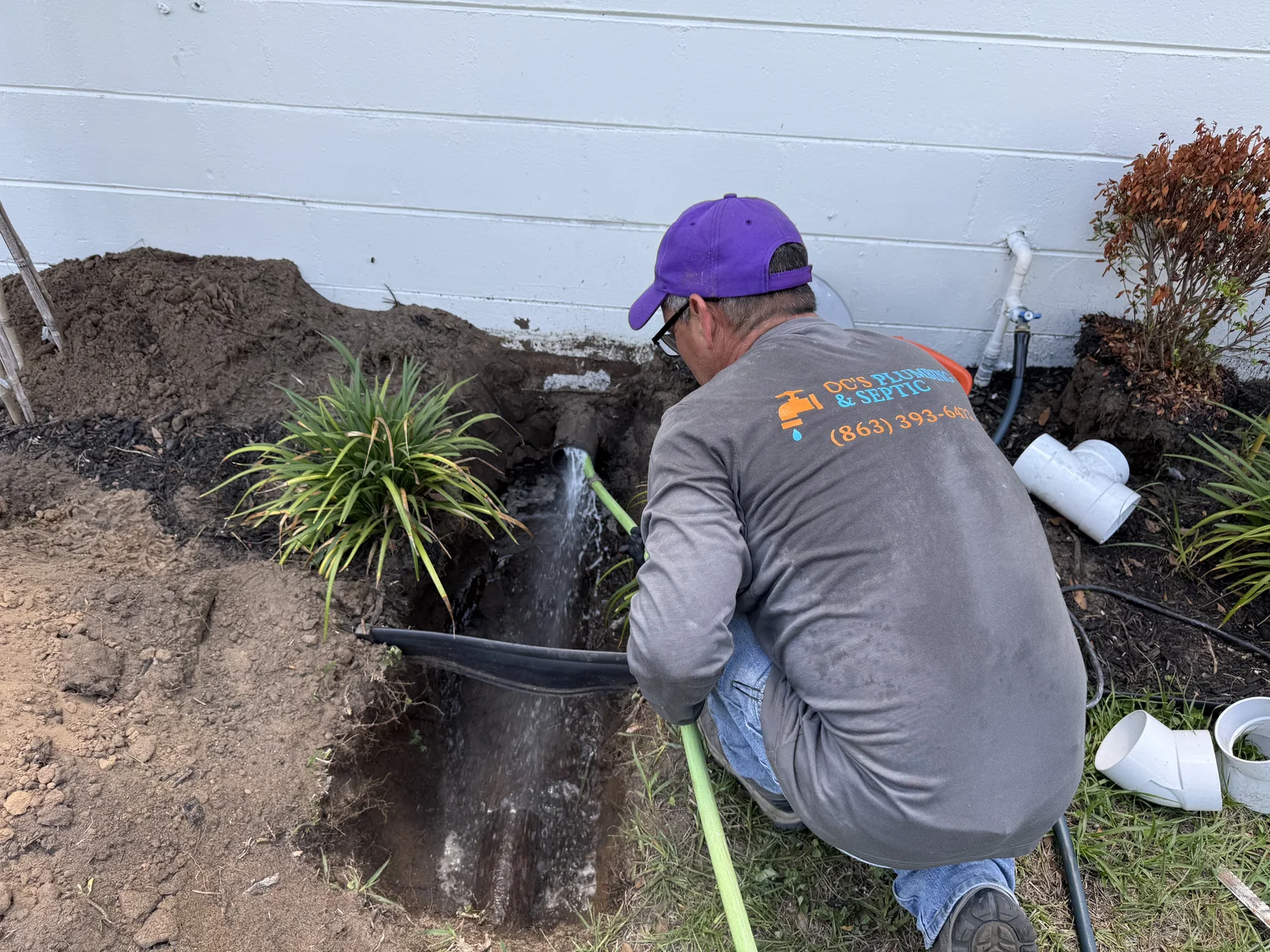
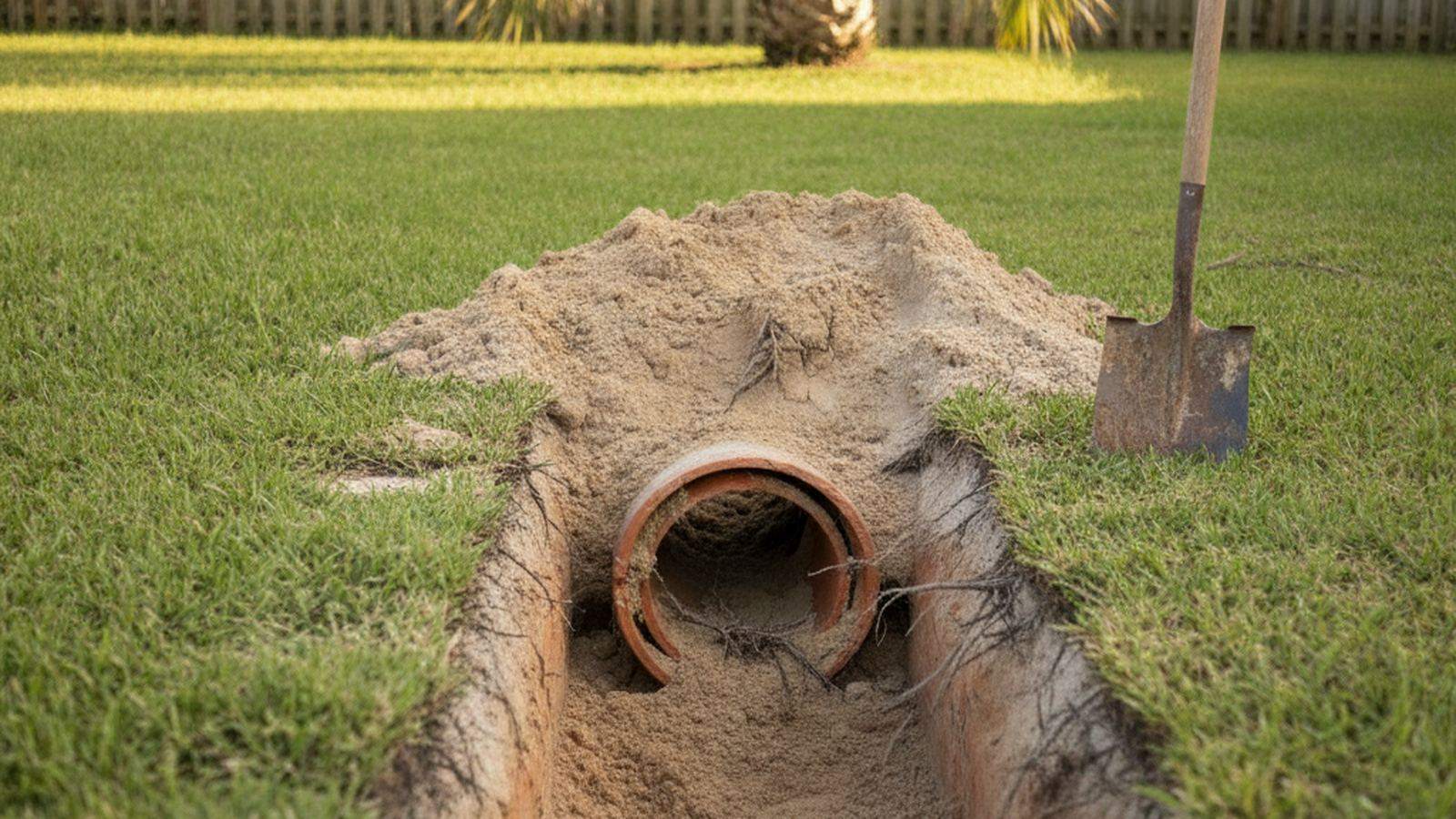
A collapsed sewer line is a pipe that has broken or caved in underground, so waste can no longer flow past it and soil can get in. The signs are backups in several drains that keep coming back after clearing, sewage odors and sunken or soggy ground over the line, and the repair is to dig out and replace the collapsed section, not to clear it.
Here is how to recognise one, why clearing it will not last, and what collapsed sewer line repair actually involves for a Lakeland or Polk County home.
Signs Your Sewer Line May Have Collapsed
A collapse usually starts as a partial blockage and gets worse, so the early signs look like an ordinary clog. The difference is that they spread through the house and keep returning.
- Several drains backing up at once. Toilets, tubs and floor drains on the lowest level are usually first. One slow sink is a local clog; the whole house is the main line.
- Clogs that come back within days or weeks of the line being snaked.
- Gurgling toilets and drains when water runs elsewhere in the house.
- Sewage odor in the yard or around the foundation.
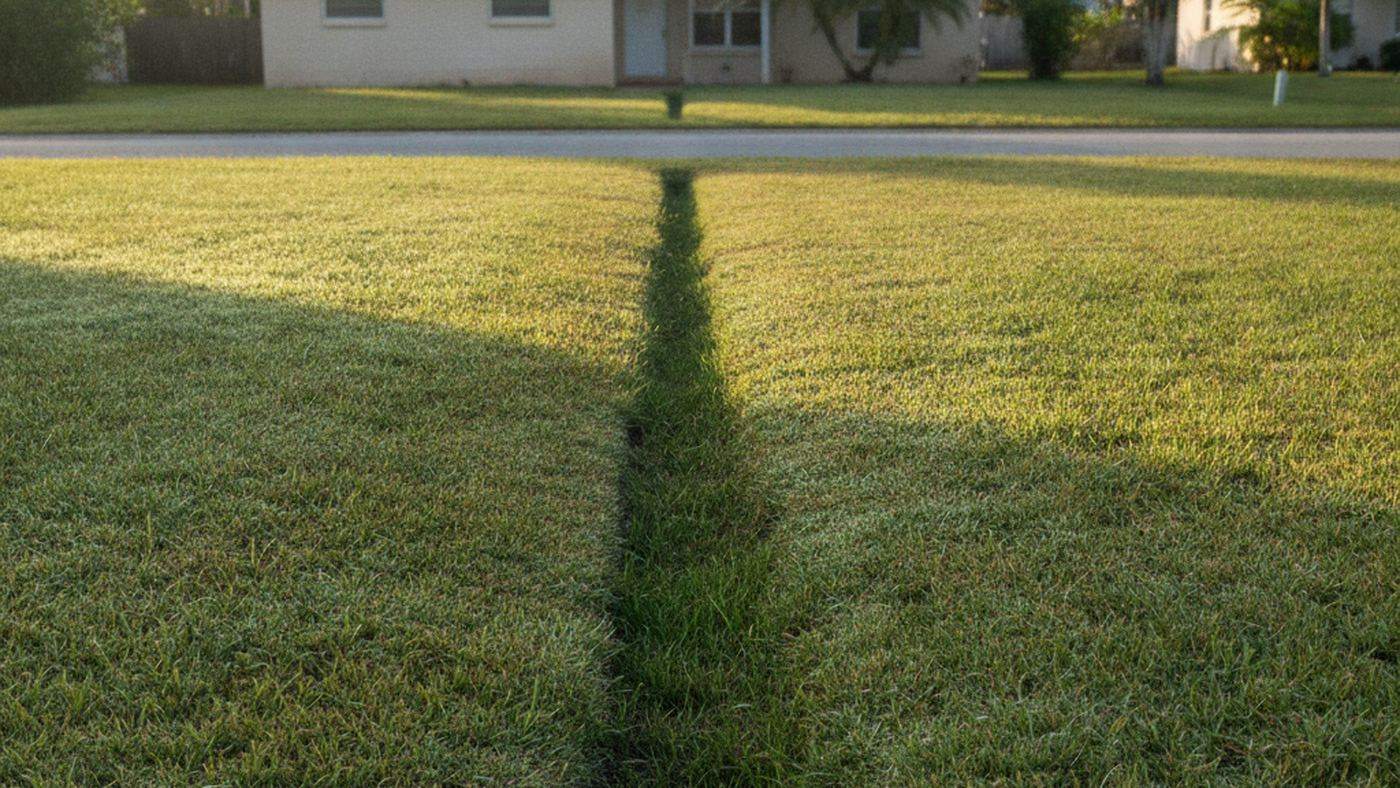
- A sunken, soggy or unusually green strip of lawn running from the house toward the street or septic tank.
If sewage is backing up into the house, stop running water and call a plumber. Our guide to telling a main line clog from a single drain walks through the difference.
Why Sewer Lines Collapse in Central Florida
Most collapses happen to old pipe in ground that has moved around it. In Lakeland and the surrounding towns, the common causes are:
- Age and material. Many older homes still drain through original cast iron or clay pipe. Cast iron corrodes from the inside and the bottom of the pipe can rot through, while clay joints crack and separate.
- Sandy soil washing out. Water leaking from a cracked joint, or a high wet-season water table, carries sand away from under the pipe. With nothing supporting it, the pipe sags (a belly) and can eventually crack and cave in.
- Tree roots. Roots find open joints, grow inside and force them apart. We cover this in more detail in our post on tree roots in sewer lines.
- Weight on top. Vehicles parked or driven over a shallow line, or heavy equipment during landscaping or construction.
Why Snaking or Jetting Will Not Fix It
Drain cleaning removes what is inside a pipe. A collapse is the pipe itself failing. A snake can sometimes push a path through the soil and debris, and the drains work again for a short time, but the broken section is still there and the line blocks again.
High-pressure water jetting into a broken pipe is also risky, because it can wash more soil out from around the break. When the symptoms point to a collapse, the right first step is a camera, not more clearing.
How a Camera Inspection Confirms the Collapse
A sewer video inspection runs a camera through the line from a cleanout. It shows whether the problem is a clog, roots, a sag or a true collapse, and how much of the line is affected. A locator then marks the exact position and depth of the damage from the surface, so any digging happens in the right place.
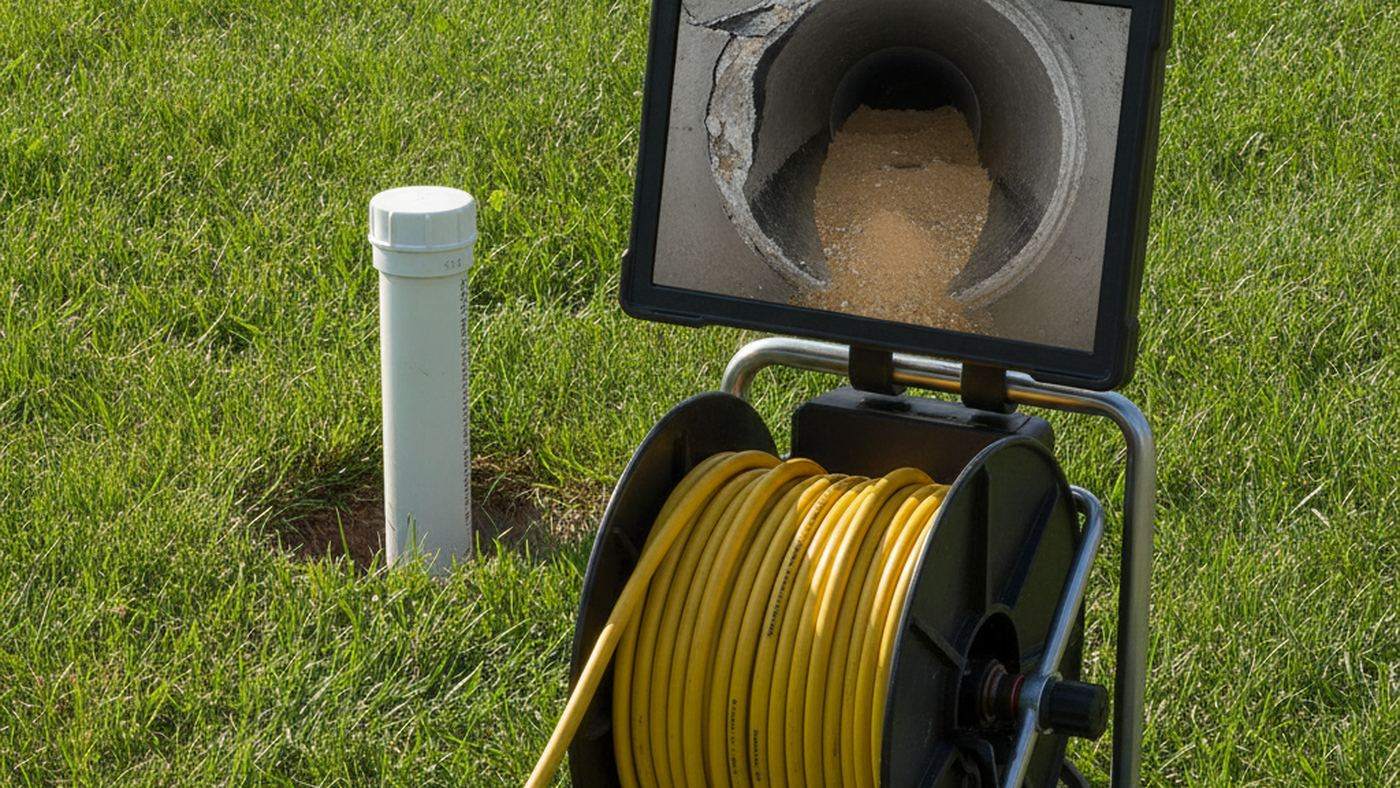
The footage is also what decides the size of the repair. One collapsed section in an otherwise sound pipe is a very different job from a line that is cracked and sagging end to end.
What Collapsed Sewer Line Repair Involves
The broken pipe has to be replaced. Depending on what the camera shows, that means one of three things:
- 1A spot repair. The ground is excavated over the collapse, the broken section is cut out and new pipe is joined to the sound pipe on each side.
- 2Section replacement. A longer run is replaced where several problems sit close together.
- 3Full line replacement. Where the old pipe is deteriorated along most of its length, replacing the whole line from the house to the main or tank is usually better value than repeated spot repairs.
Replacement pipe is normally PVC, laid at the correct slope. How the trench is filled back in matters as much as the pipe, because poor support is often what caused the collapse in the first place. Florida Building Code, Plumbing, Section 306.3 requires that loose earth "free from rocks, broken concrete and frozen chunks shall be placed in the trench in 6-inch (152 mm) layers and tamped in place until the crown of the pipe is covered by 12 inches (305 mm) of tamped earth."
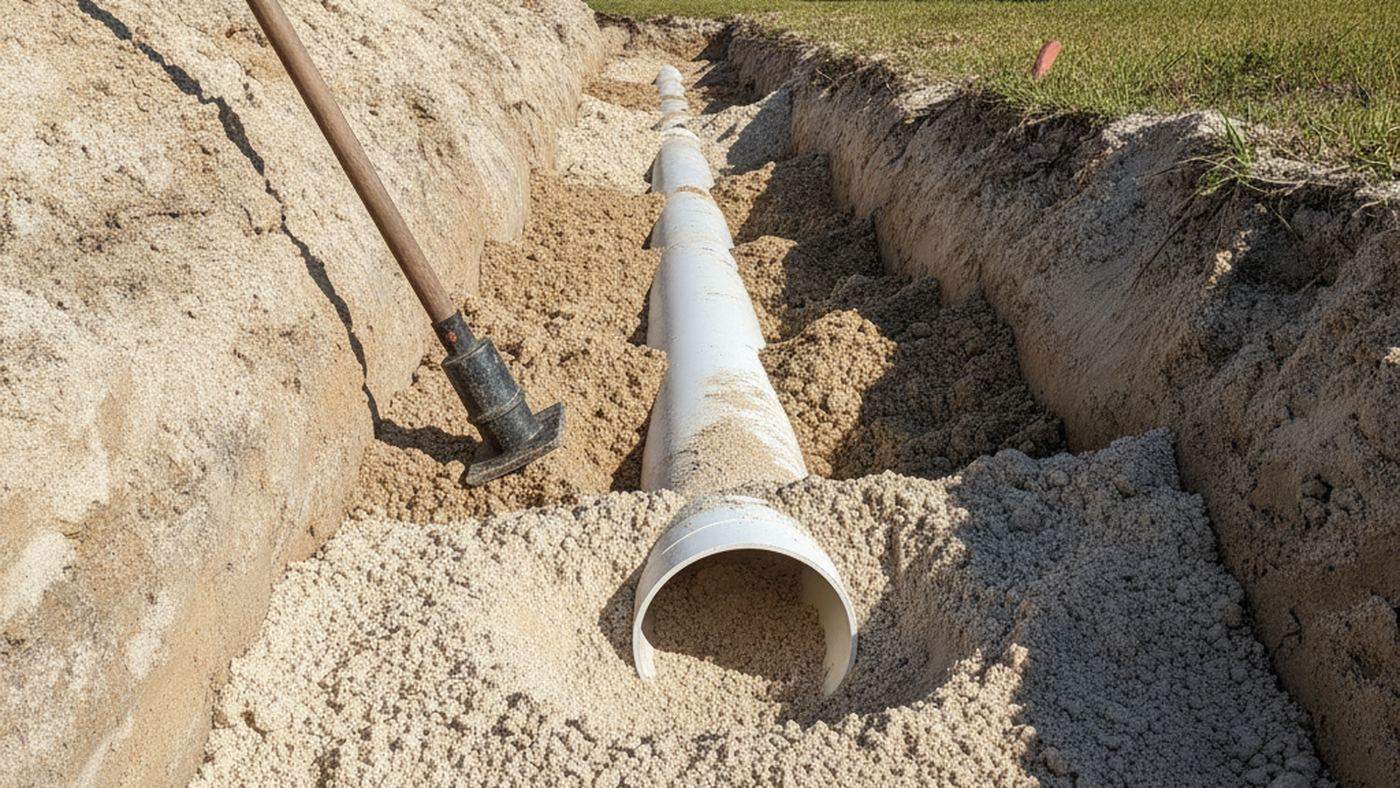
After the repair, the line is run on camera again to confirm it flows cleanly before the trench is closed. Most spot repairs are completed in a day; full replacements and deep lines usually take two to four days, longer where a permit or driveway access is involved.
What to Do If You Suspect a Collapse
- Cut back on water use, especially laundry and long showers, to limit backups.
- Do not pour chemical drain cleaners into a line that keeps blocking. They will not reach the problem and make the line hazardous to work on.
- Keep vehicles off any sunken area in the yard.
- Book a camera inspection before agreeing to any repair, so you pay only for the work the pipe actually needs.
Get the Line Inspected and Repaired
OC's Plumbing & Septic provides sewer line repair in Lakeland, Bartow, Winter Haven and across Polk County. Every job starts with a camera inspection, and you get a written estimate before any digging starts. If you are seeing backups that keep coming back, call (863) 393-6473.
Frequently Asked Questions
The usual pattern is several drains backing up at once, a main line that blocks again soon after it has been cleared, sewage smells outside, and a sunken, soggy or unusually green strip in the yard along the sewer line's path. Only a sewer camera inspection confirms it, because a severe clog can look the same from inside the house.
No. Clearing tools remove what is inside the pipe, but a collapse is the pipe itself failing. A snake may punch a temporary path through the soil, and the line blocks again. High-pressure jetting into a broken pipe can wash out more soil around it, so the line should be inspected on camera first.
Not always. If the camera shows one collapsed section and the rest of the pipe is sound, that section can be dug out and replaced. If the pipe is cracked, sagging or deteriorated along most of its length, replacing the full line is usually the better long-term repair.
Most spot repairs and short section replacements are finished in one day. Full line replacements, deep lines and jobs that need a permit or driveway access usually take two to four days.